Camino towns are full of fountains. Some are carved monuments in a square. Others are simple taps beside a church or path. They reflect the long work of bringing water to residents, animals and pilgrims.
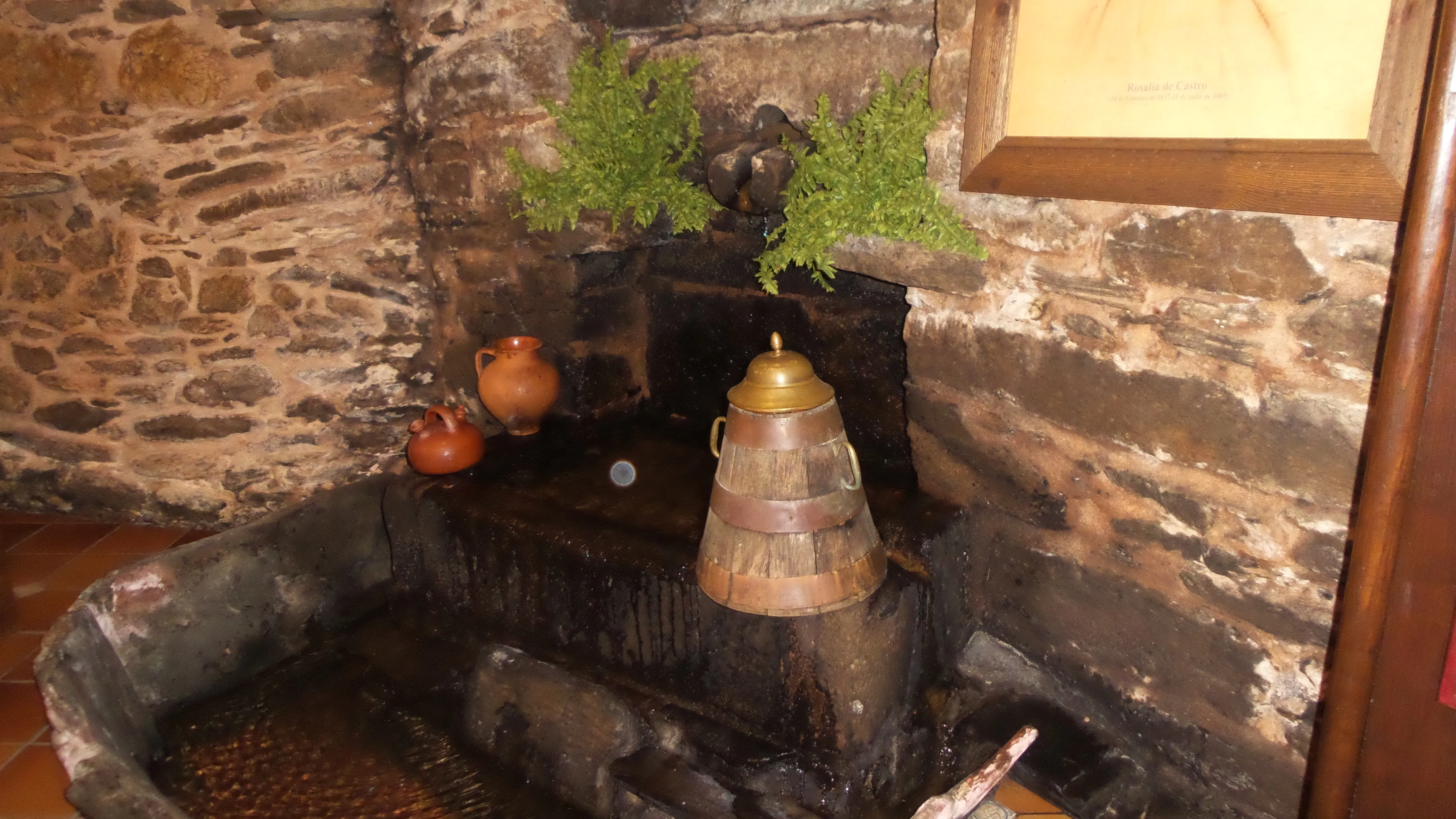
For a walker, a fountain can appear to be a small convenience: a place to refill a bottle before continuing. Historically, dependable water was part of the infrastructure that made settlement and travel possible, alongside pilgrim hospitals and other places of welcome. A source had to be located, protected, channelled and kept usable. The basin visible beside the route may represent only the final point in a larger system of springs, pipes, channels and shared responsibilities.
Fountains also reveal how water connected private need with public life. People came to collect drinking water, wash, water animals and exchange information. Different basins or outlets could separate these uses. Their location near a square, church, road or entrance to a settlement made them practical meeting points for residents and pilgrims alike.
An old fountain may still be beautiful after its water supply has changed. For drinking, follow the current sign beside the tap.
Water shaped stopping places
Before piped domestic supplies, a dependable spring or well helped determine where settlement was possible. Fountains distributed water while creating places for washing, filling vessels and exchanging news.
For pilgrims, access to water affected the safe distance between stops. Medieval guides commented on rivers and springs because the wrong source could cause illness.
A work of charity
Providing water could be understood as a public and religious good. Towns, monasteries, confraternities and individual donors supported fountains and channels.
An inscription may name a patron or date a rebuilding. The visible stone structure is often younger than the water source or system behind it.
Is the water safe today?
Use fountains clearly marked as potable. In Spain, agua potable indicates drinking water. Agua no potable means it should not be consumed.
An unmarked spring is not automatically safe because local people once used it. Agricultural runoff, animals and seasonal conditions can affect water quality. When uncertain, use a confirmed source or bottled water.
Do not rely on every mapped fountain functioning. Taps may be shut off, dry or removed. Carry enough water for the stage and refill when a dependable opportunity appears.
Share the fountain
Allow residents to use their local facility and avoid blocking the tap while reorganizing a backpack. Keep bottle openings away from the spout and do not wash muddy shoes where drinking water is collected.
Animals may have a separate trough. Do not assume that water intended for livestock has the same treatment or quality as a drinking tap.
Follow the water through the village
Notice how water arrives and leaves. A fountain may feed a basin, laundry place or irrigation channel. What looks decorative may be part of a practical sequence serving several needs.
A fountain turns hospitality into something useful: clean water at the roadside. Someone still has to maintain the pipe, tap and basin long after the donor’s name has worn from the stone.