“What is the best month?” sounds like a simple question, but the Camino crosses very different landscapes and every season asks for a compromise. You can choose the conditions you generally prefer; you cannot order the weather in advance.
Ultreya Tours Camino journeys operate from March 15 through November 15, with some products using a shorter window. Availability and services must still be confirmed for the particular route and dates.
1. Is spring a good time to walk?
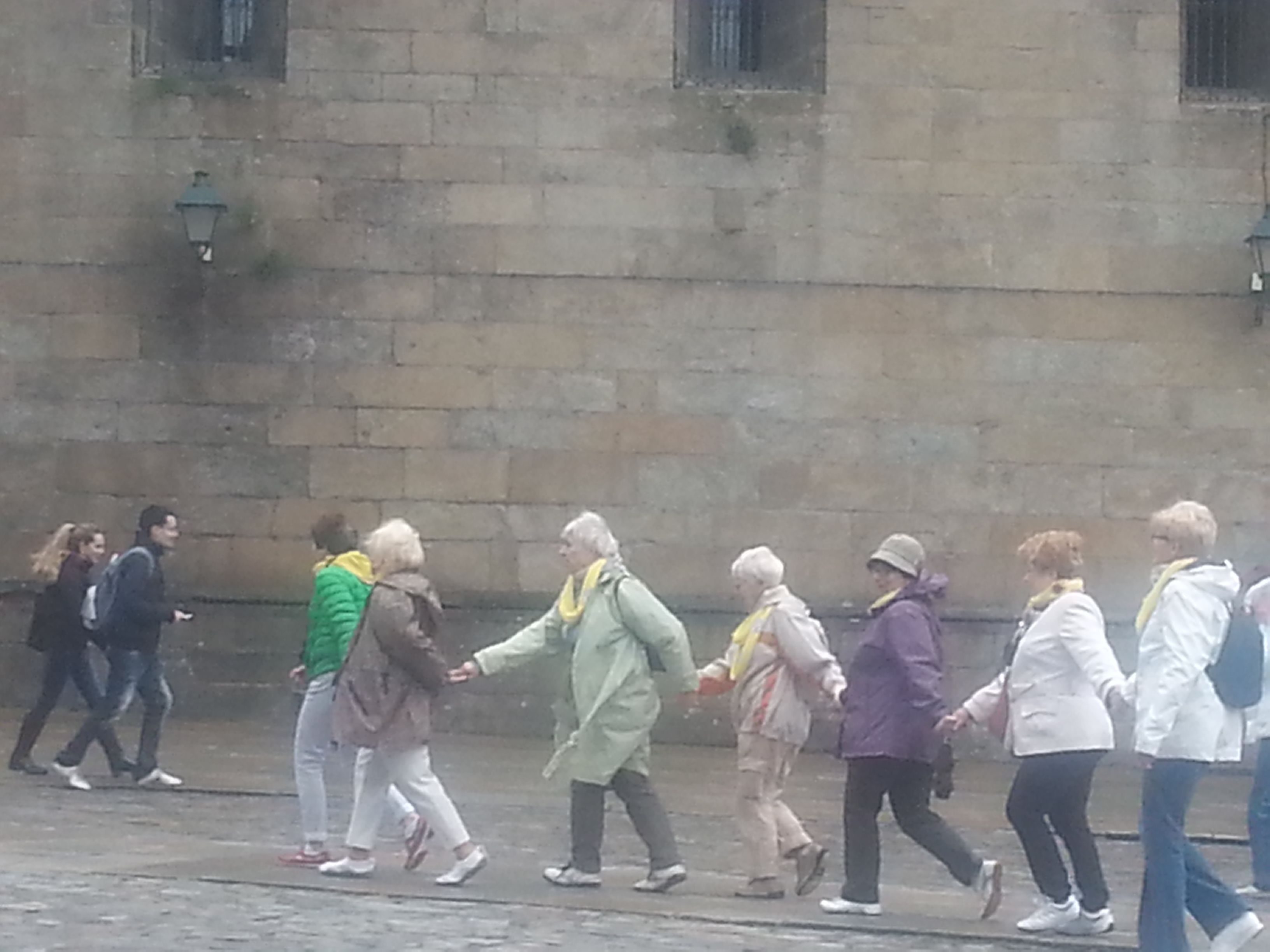
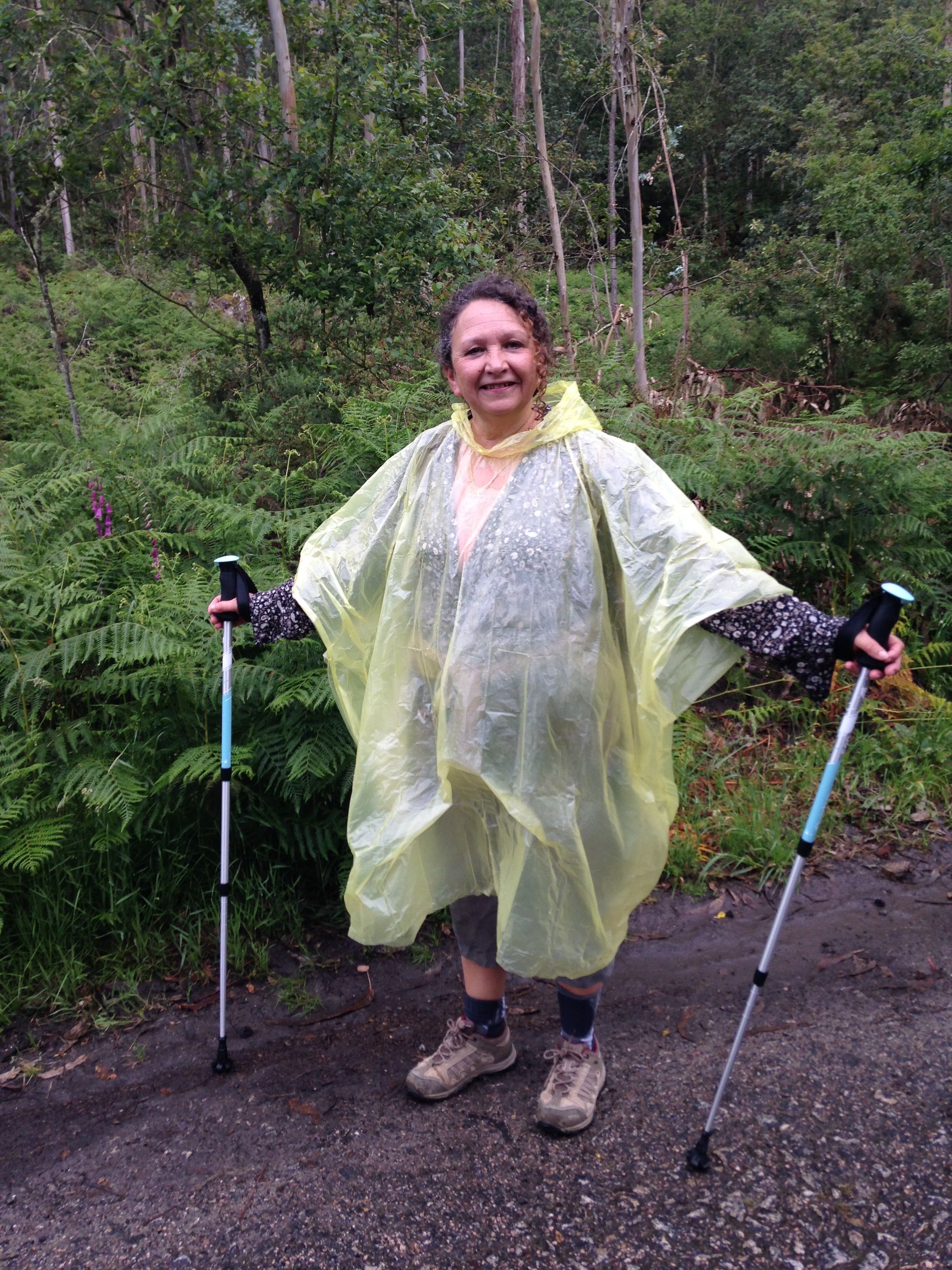
Spring is beautiful, green, and changeable. Late March and April can bring cool mornings, rain, and conditions that shift quickly within the same day. May usually brings longer daylight and increasing demand, while rain remains entirely possible.
Spring suits travelers who prefer freshness to summer heat and are comfortable carrying reliable rain protection. Mountain and exposed sections may feel very different from sheltered stages in Galicia, so the route matters as much as the month.
2. Is summer too hot for the Camino?
June offers long days and increasing warmth. July and August can be hot, particularly on inland and exposed routes. Earlier starts, water, sun protection, and a realistic pace become important.
The coast may feel cooler because of Atlantic wind, but wind does not remove sun exposure. Summer is also a busy travel period, and famous final stages attract more pilgrims. If particular hotels or room types matter, availability may influence the decision before the weather does.
3. What are September and October like?
September is popular because some summer warmth may remain while the strongest heat begins to ease. It can be an excellent month, but its popularity means planning ahead.
October brings shorter days, cooler mornings, harvest landscapes on wine routes, and a more autumnal atmosphere. Rain has a greater effect when daylight is limited and paths are wet. By early November, travelers should expect more uncertainty in both weather and seasonal services.
4. Does the best month change by route?
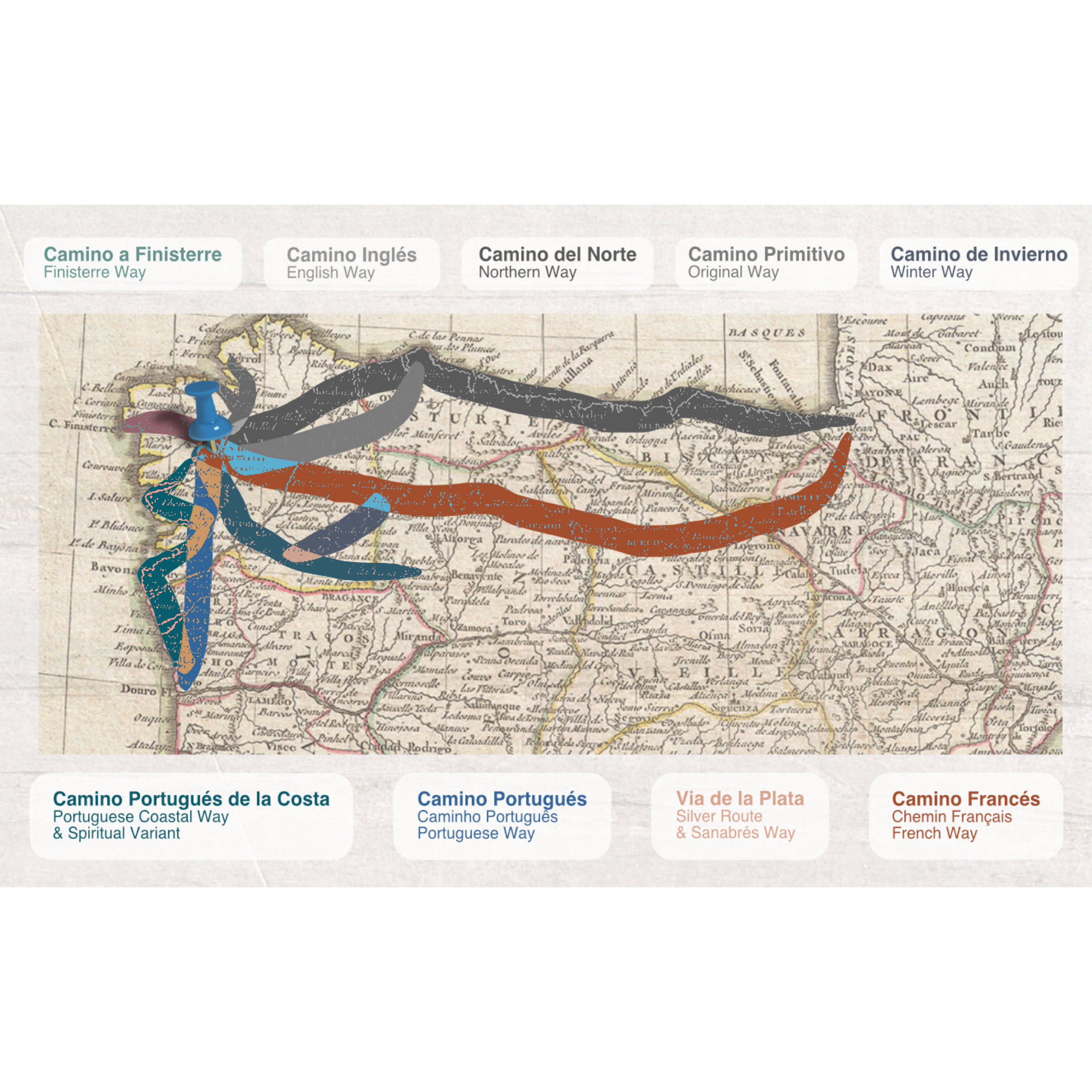
Absolutely. A date that feels appealing on the Portuguese Coastal Way may feel different on the Meseta, in the Pyrenees, or among the river valleys and vineyards of inland Galicia.
Consider exposure, elevation, shade, surface, daily distance, and available services. The Winter Way is a good example: its name comes from its historical role as an alternative approach, not from a recommendation to walk it during winter.
Choose the route and month together instead of choosing a month first and assuming every Camino will behave in the same way.
5. How far ahead should I book, and can I trust the forecast?
Begin planning more than six months ahead when possible, especially for popular months, premium accommodations, larger parties, or limited room configurations. Booking early improves the range of arrangements we can check; it does not create a reliable long-range weather forecast.
Use seasonal patterns to choose the conditions you generally prefer. Use the short-range forecast near departure to decide what goes into your daypack. Even then, carry layers and protection appropriate to the route.
Choose the conditions you cope with best. If heat affects you badly, avoid relying on an early start to make an exposed August stage comfortable. If rain bothers you more, accept that Atlantic routes remain unpredictable even in summer and test your waterproofs before departure.
Use the Start Planning Questionnaire to give us your preferred month and route. We will explain the likely conditions and check the accommodation that is actually open for those dates.