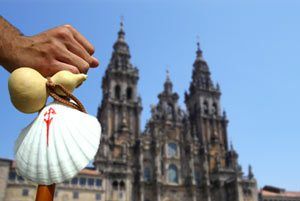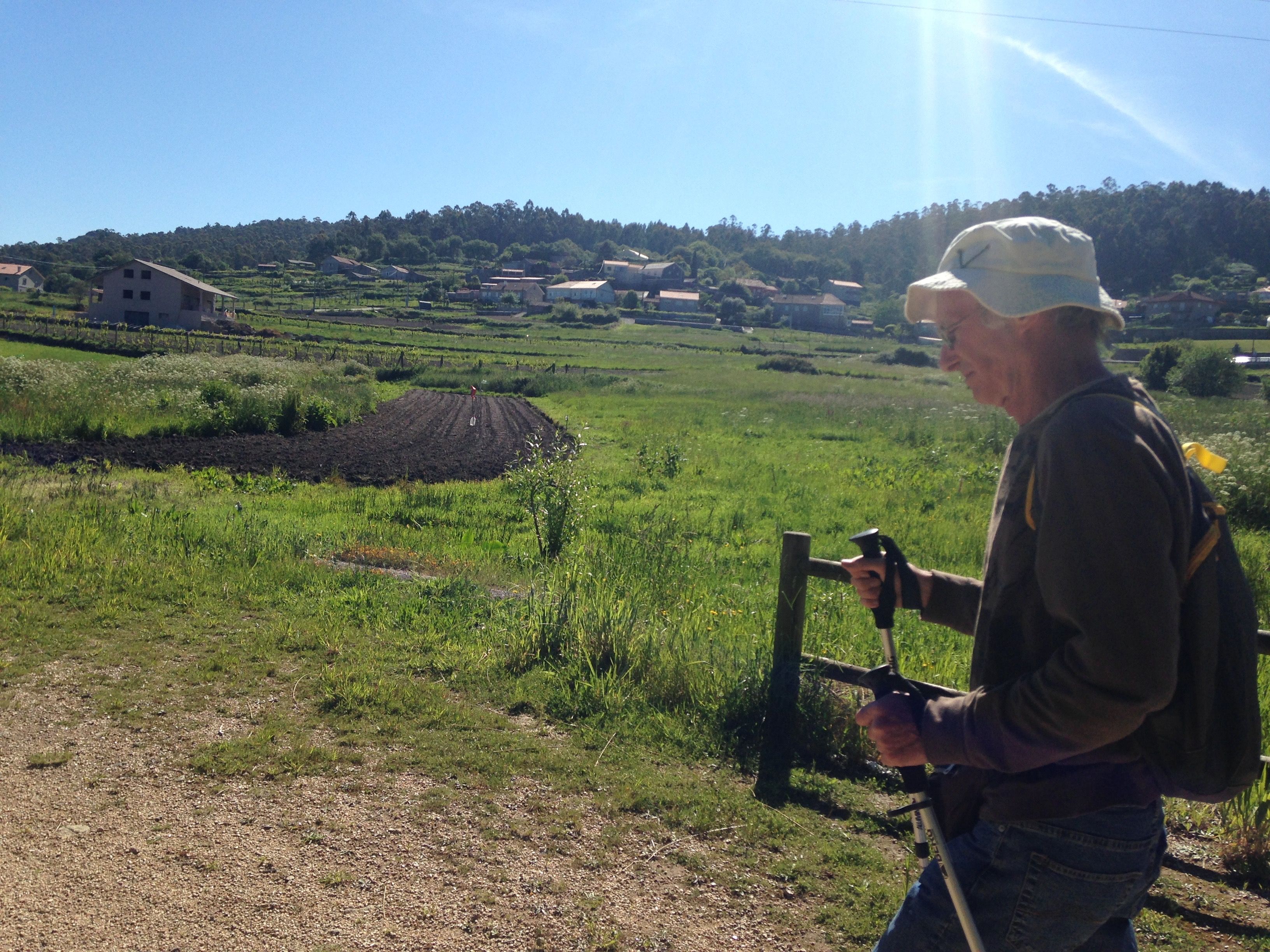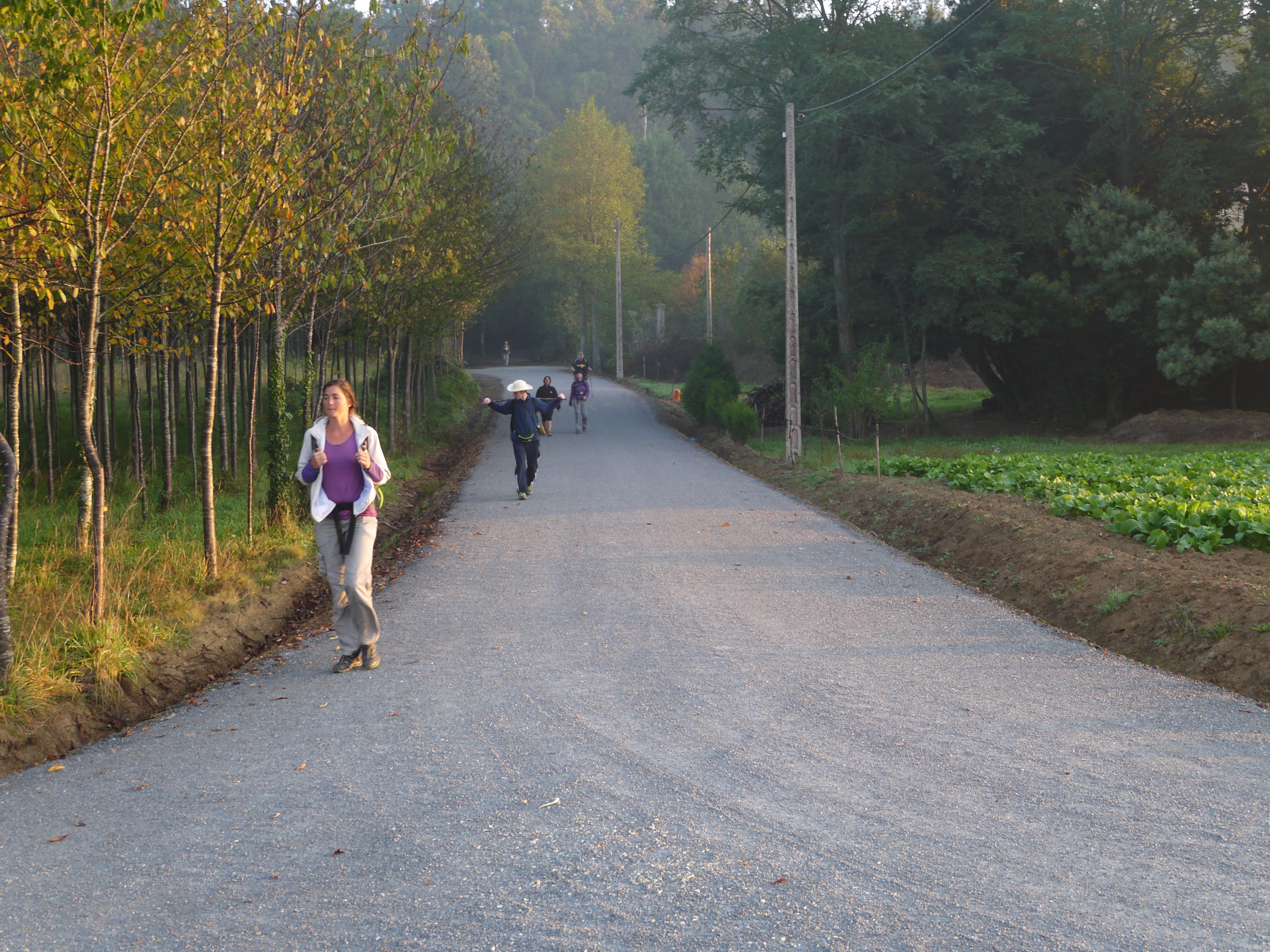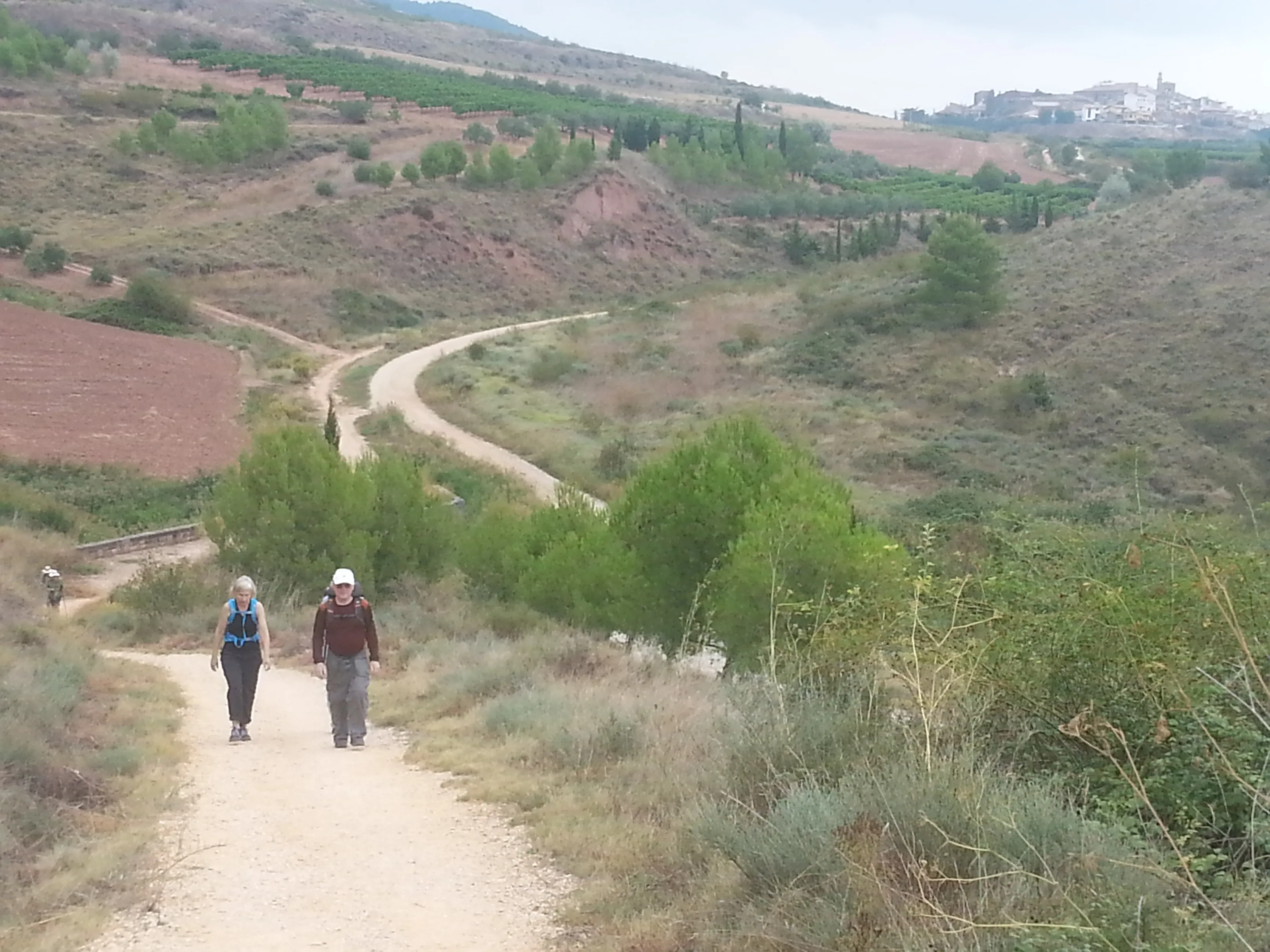
People often imagine a typical pilgrim before they walk: Catholic, young, very fit and carrying everything on their back. The real Camino is far more interesting. I have planned journeys for people in their twenties and nineties, parish groups, families, friends, solo women, committed Catholics and travelers with no religious belief.
Here are my answers to five questions about who walks the Camino.
1. Do you have to be Catholic to do the Camino?
No. The Camino leads to the tomb of Saint James and its history is inseparable from Christian pilgrimage, yet nobody checks your religion before you step onto the path. Catholics walk beside Protestants, people of other faiths, agnostics and atheists.
Churches, pilgrim blessings and Mass remain part of the journey. You can enter a church for prayer, architecture, music, history or a quiet moment. Respect the people worshipping there and participate only when you wish. The road has room for religious conviction, curiosity and personal reflection.
The Compostela has a specific religious or spiritual meaning, but walking the Camino does not depend on collecting a certificate. Many travelers reach Santiago with a journey that matters deeply to them without requesting one.
2. Can a 70 year old walk the Camino?
Yes. Most Ultreya Tours travelers are over 60, and we regularly arrange Caminos for people in their seventies and eighties. One of our memorable pilgrims walked at 94 with his granddaughter and was often at the front of the group.
Age alone does not design the itinerary. A 70-year-old who walks hills every week may be more comfortable than a much younger traveler who rarely exercises. We look at walking experience, balance, previous injuries, recovery and the distance that can be repeated for several days.
Shorter stages, luggage transfer, private rooms and carefully placed transfers can turn a difficult standard itinerary into a rewarding Camino. Training on consecutive days remains important because the second and third mornings reveal more than one long weekend walk.
3. Is it safe for a single woman to walk Camino?
I have walked and cycled the Camino alone many times and have always felt comfortable. Women travel solo on every major route, and the Camino makes it easy to meet other pilgrims without committing to walk with them all day.
I still follow clear rules. I walk in daylight, keep my phone charged, avoid getting into an unexpected vehicle and do not tell strangers where I am staying. If somebody makes me uncomfortable, I move toward other pilgrims or enter a café rather than worrying about appearing impolite.
Spain’s emergency number is 112. Guardia Civil is 062, Policía Nacional is 091 and the AlertCops app connects travelers with Spanish security services. Ultreya clients also receive our journey-assistance details for problems affecting their planned arrangements.
4. What is the average age of people walking the Camino?
There is no single typical age. The Pilgrim’s Reception Office publishes broad age groups, and the largest group is usually between 30 and 60. Thousands of younger and older pilgrims also arrive in Santiago every year.
The mix changes with the season and route. Summer brings more students and families, while spring and fall are especially popular with retired travelers and people who can travel outside school holidays. An Ultreya Tours journey often has an older profile because comfortable hotels, luggage transfer and shorter stages appeal strongly to travelers over 60.
On the path, age becomes less important than pace. People who would never meet at home can share a café table, walk together for an hour and separate naturally when their rhythms change.
5. Why do some Christians not go on pilgrimage?
Christian traditions do not all give pilgrimage the same importance. Catholics have a long tradition of traveling to shrines and saints’ tombs. Orthodox Christians, Anglicans and many Protestants also make pilgrimages, while other churches place the emphasis on worship, scripture and community close to home.
Individual Christians may also decide that pilgrimage is not part of their faith, cannot manage the journey or prefer to express devotion in another way. The Camino welcomes Christian pilgrims without asking them to share one theology. Some walk to pray at the tomb of Saint James, some travel with a parish and others use the road as time for gratitude, grief or discernment.
If faith, a private Mass, church access or a gentler pace should shape your journey, tell us when you start planning. Those details belong in the itinerary from the beginning.