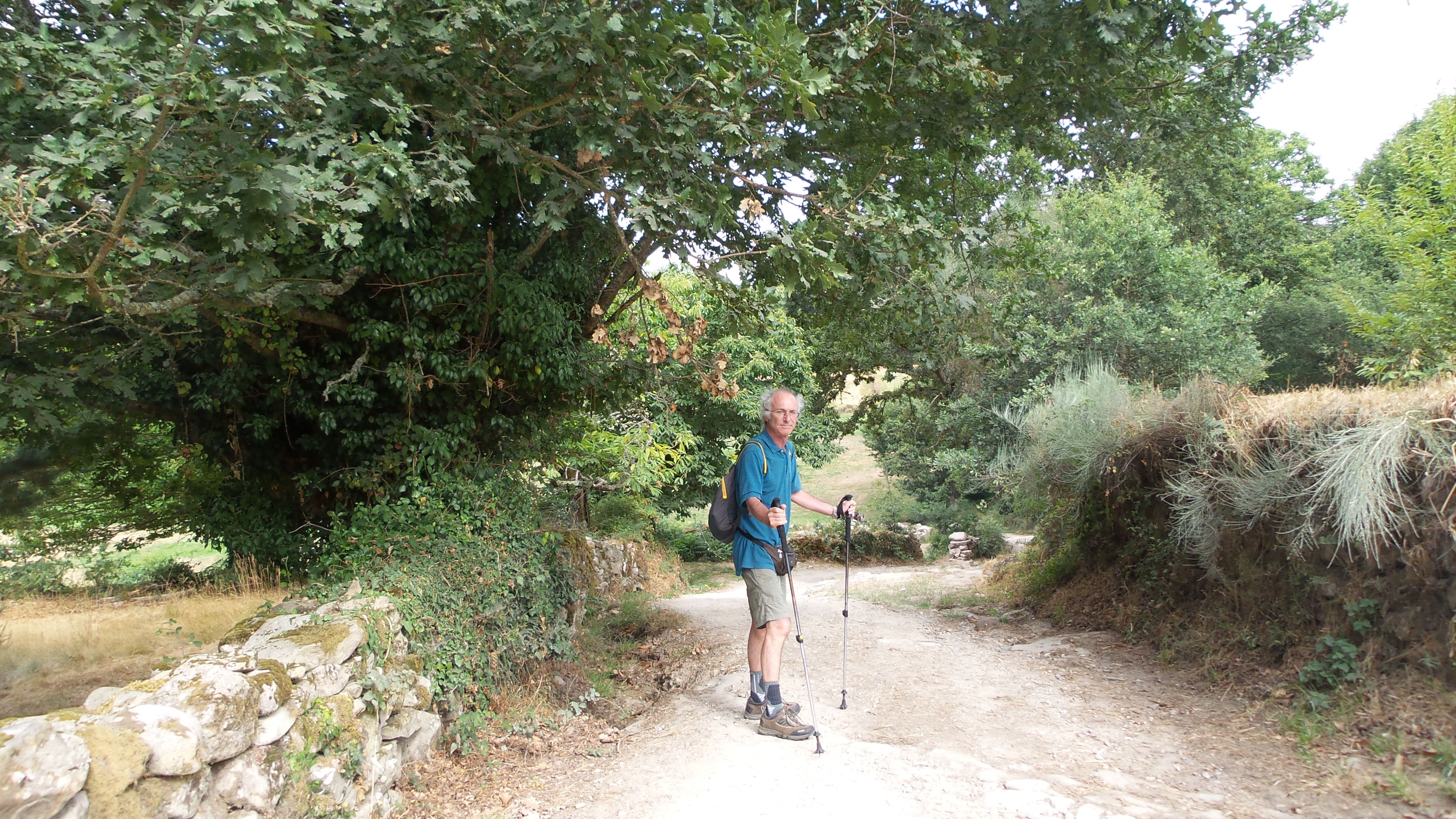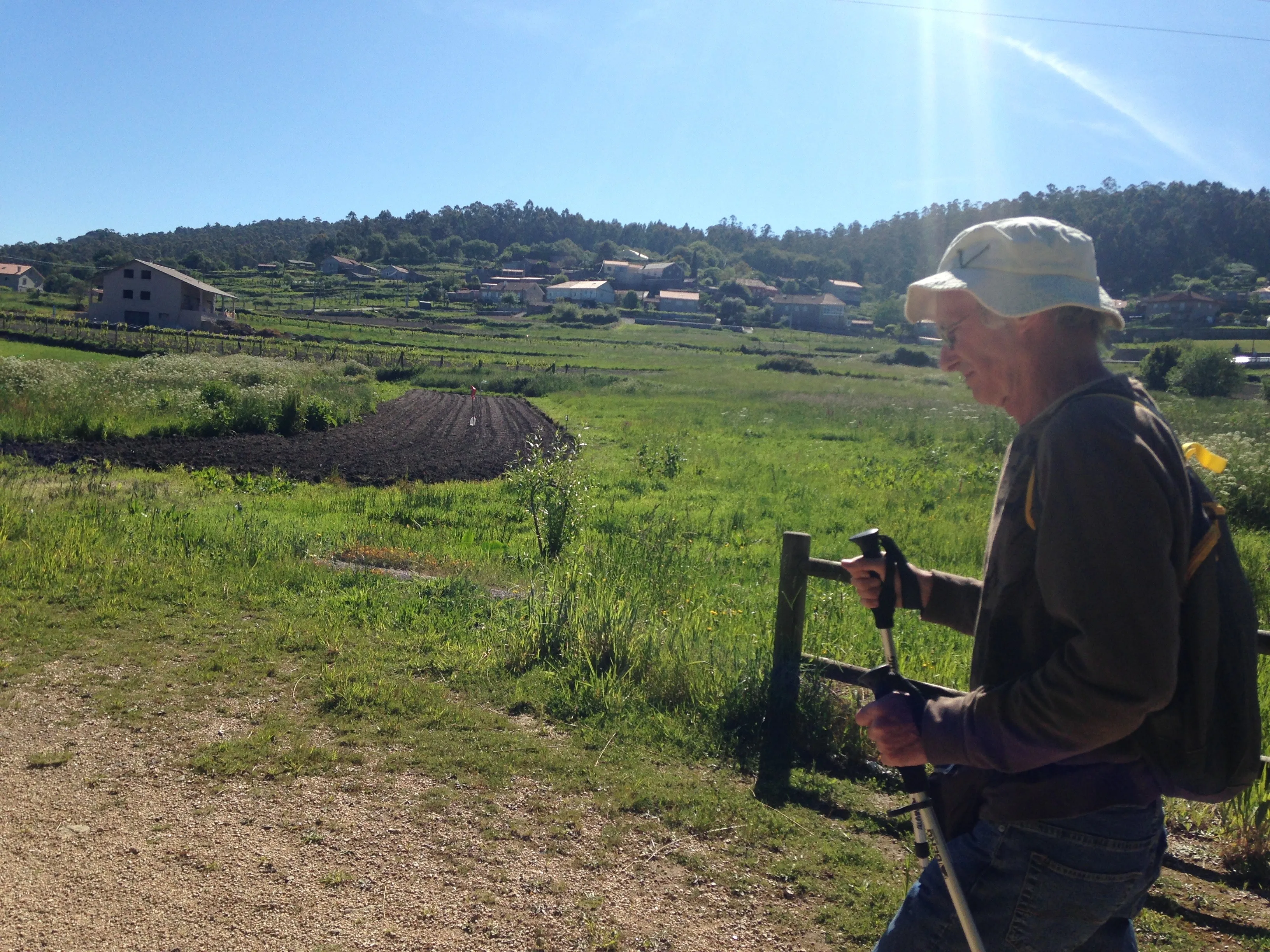
Most Ultreya Tours clients are over 60. We regularly plan Caminos for people in their sixties and seventies, and for active travelers in their eighties. One of our most memorable pilgrims was 94. He walked with his granddaughter as part of a group, and the guide told me he was usually at the front, delighted to be there.
That story is encouraging, but it is not a fitness test for anyone else. Every traveler needs an itinerary built around their own walking history, balance, joints and recovery time.
Choose the stage before choosing the hotel
A standard Camino itinerary can ask for 20 to 25 kilometres on several consecutive days. Many older walkers are happier with 10 to 16 kilometres, a proper lunch stop and time to recover before dinner. On some routes, dividing a stage requires a private transfer because the best hotel is not beside the exact stopping point. We plan that transfer into the journey rather than leaving the traveler to solve it during the walk.
Our At Your Pace journeys are especially useful when the published classic stages feel too long. Shortening a day is also sensible for anyone returning from injury, walking with a slower companion or simply wanting more time in the villages.
Train for consecutive days
Pay attention to how your body feels the morning after a long walk. Before departure, build towards walking on two or three consecutive days in the shoes you will take. Include hills and uneven ground. If you use poles, practise with them before the trip.
Speak with your doctor when a heart, respiratory, balance or joint condition could affect the journey. Bring enough prescription medication for the trip, plus a copy of the prescription and travel insurance details.
Remove unnecessary weight
Daily luggage transfer lets you walk with water, a light layer, rain protection, medication and the few things you need during the stage. Your main case travels to the next hotel. This makes a considerable difference on climbs and descents. Read our guide to how luggage transfer works.
Comfort helps recovery
A private en-suite room, a good shower, reliable breakfast and a quiet night are part of the walking plan. We also look at stairs, lifts and vehicle access when mobility is a concern. Historic buildings can be beautiful and still have awkward steps, so tell us what you need before we select the accommodation.
The Camino has no upper age limit. A well-designed itinerary should leave you feeling capable of tomorrow’s walk, not relieved that today is finally over.