Travelers often ask whether they are fit enough for the Camino. I cannot answer that from age or from one impressive weekend walk. The better question is whether the itinerary matches the effort you can repeat, recover from, and still enjoy.
This is general guidance, not medical advice. Anyone with health concerns, pain, previous injuries, or uncertainty about exercise should speak with a qualified professional.
1. How fit do I need to be?
Most of our walking journeys require no technical hiking experience. You should be comfortable spending several hours on your feet and walking again the following morning.
Fitness for the Camino is less about speed than steady endurance, balance, and recovery. A shorter stage with repeated climbs, descents, heat, mud, or hard surfaces may feel more demanding than a longer, flatter day.
2. How many kilometres should I walk each day?
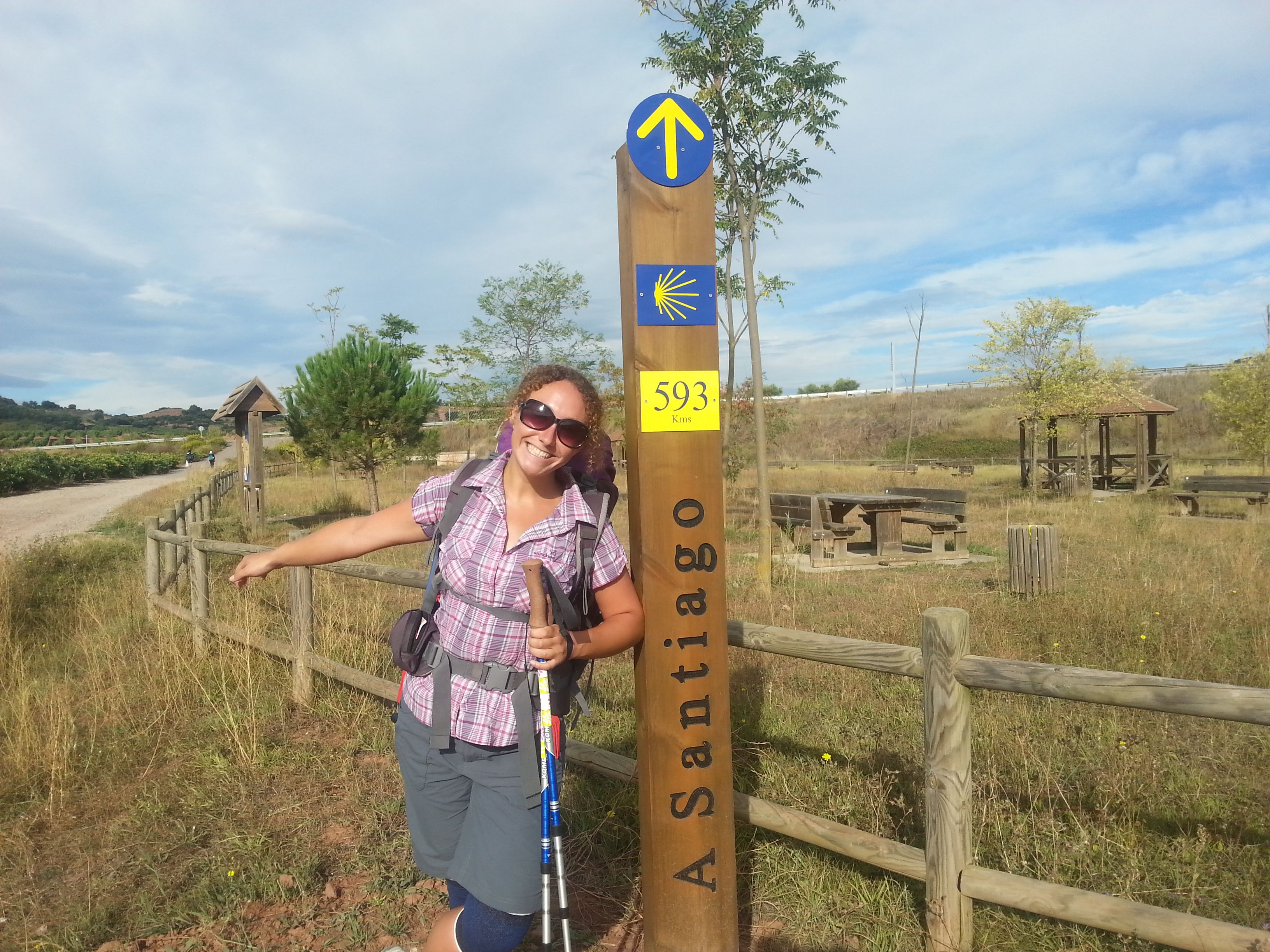
Standard Camino itineraries commonly include stages between roughly 16 and 24 kilometres. At Your Pace journeys use shorter stages, often closer to 10 to 16 kilometres, depending on the route and available accommodations.
Do not choose from an average alone. Read every stage. The longest day, number of consecutive days, elevation, and location of suitable accommodation all shape the experience.
The right distance can be repeated while leaving enough energy to recover and appreciate the place where you arrive. Your maximum on a single day does not answer that question.
3. When should I begin training?
Begin when the Camino is booked. If regular walking is not already part of your life, six to twelve months gives you time to establish a habit and progress without panic. Experienced walkers may need less time but should still train for the specific itinerary.
Start with manageable walks several times a week. Gradually lengthen one outing, then introduce hills, uneven ground, and the daypack you expect to carry. Consistency is usually more useful than one exhausting effort followed by a long recovery.
4. Why should I train on consecutive days?
A single long walk tells you how you feel when rested. The Camino asks how you feel when you start again the next morning.
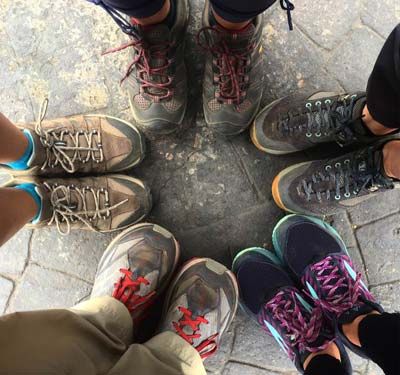
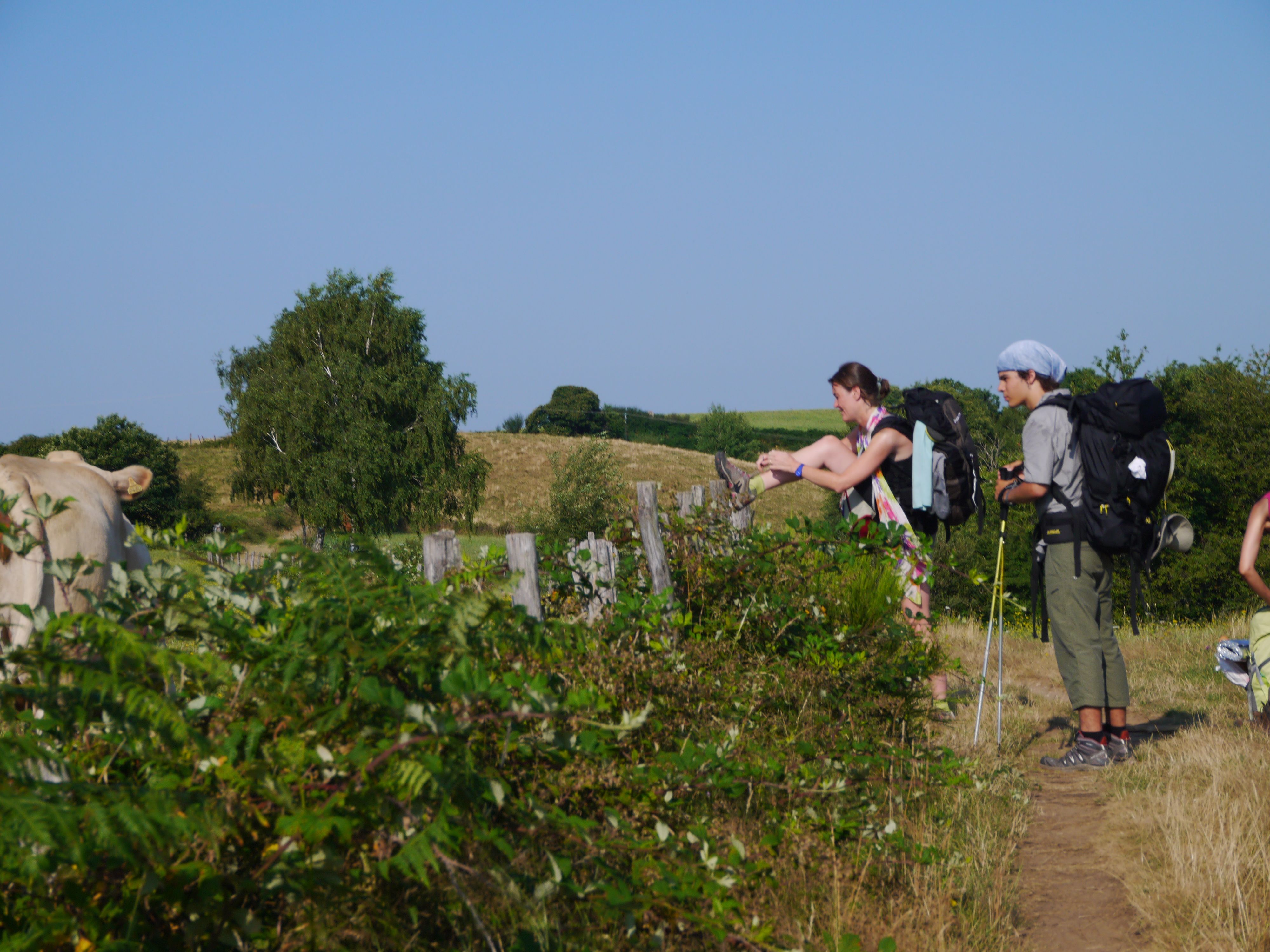
Practice two consecutive walking days, and occasionally a third if that reflects your itinerary and you recover normally. This helps test footwear, socks, foot care, hydration, evening routines, and the psychological rhythm of beginning again.
Persistent or changing pain is not proof that training is effective. The objective is to arrive prepared, not already injured.
5. What pace should I walk?
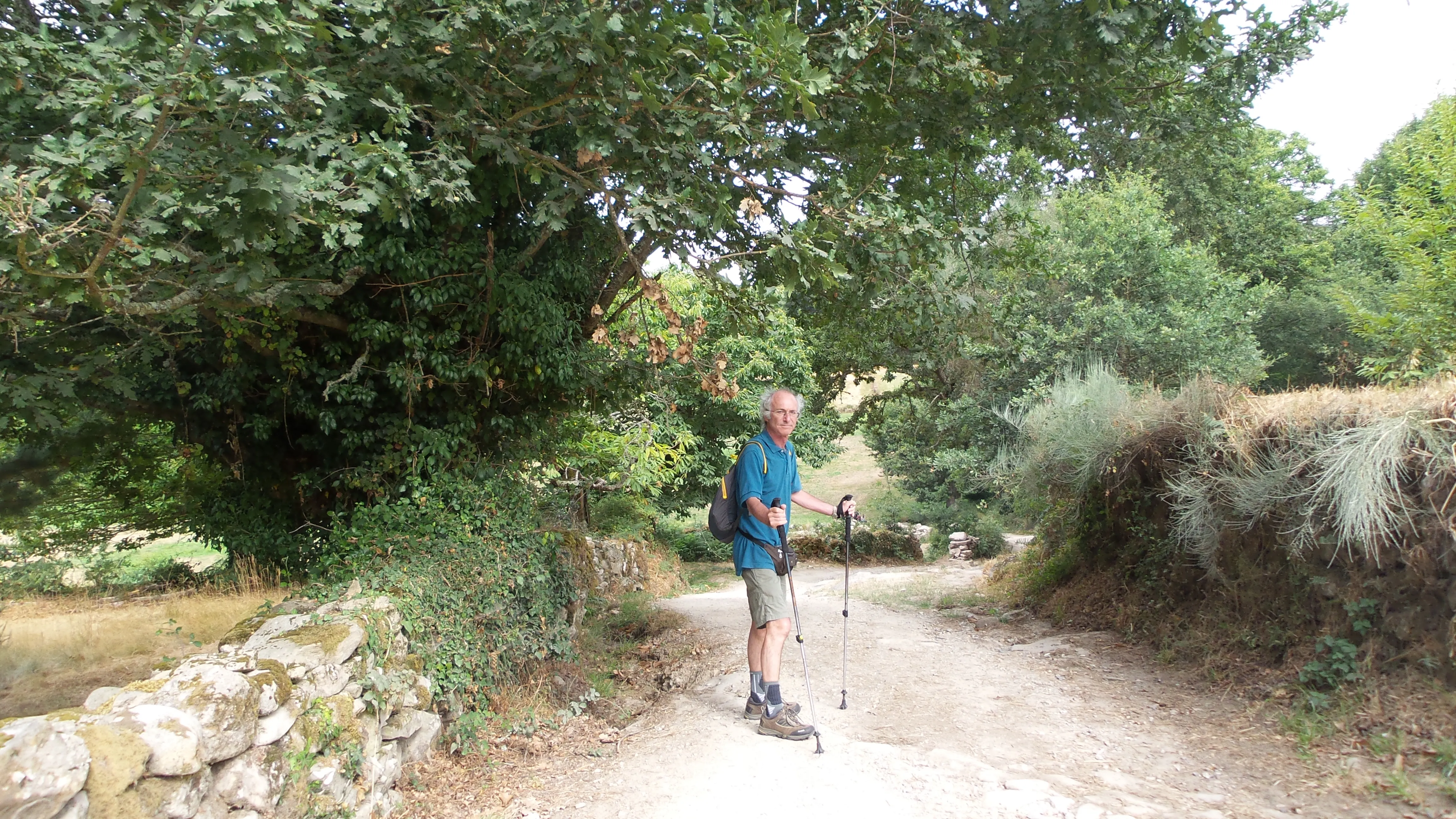
Begin more slowly than excitement encourages you to. A sustainable pace should allow conversation and awareness of the path. Other pilgrims will pass you; that does not make their rhythm yours.
Use breaks intentionally for water, food, orientation, and foot checks. Learn during training whether frequent short pauses or fewer longer stops suit you, and test your footwear, rain protection, poles, and complete daypack before departure.
Walk the itinerary you booked rather than matching the speed of passing pilgrims. If standard stages do not suit you, compare the gentler journeys in our Camino collection and tell us what daily distance you can repeat comfortably.