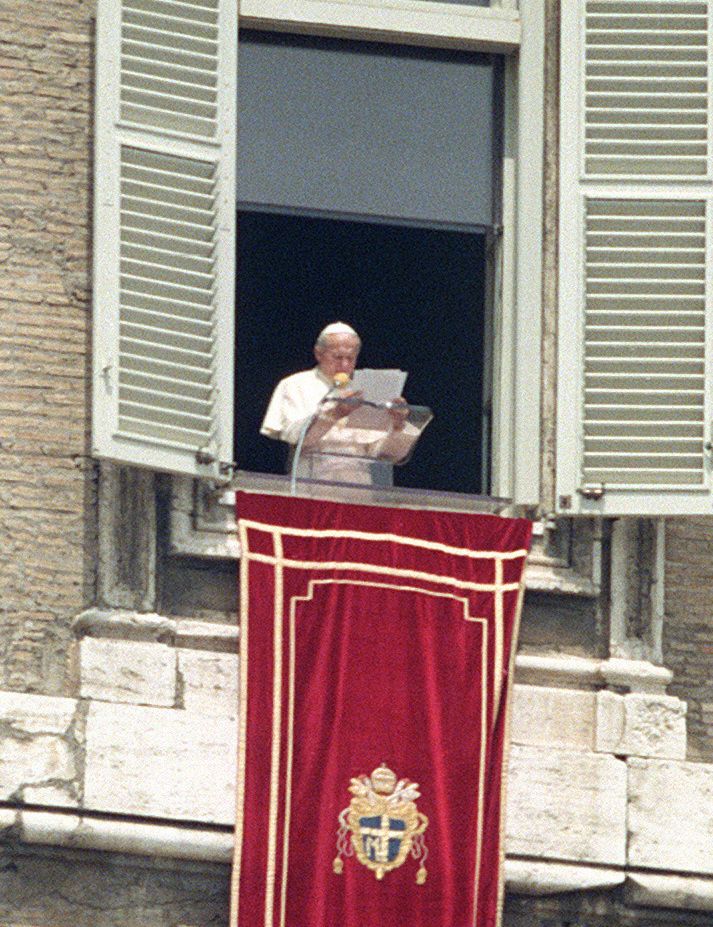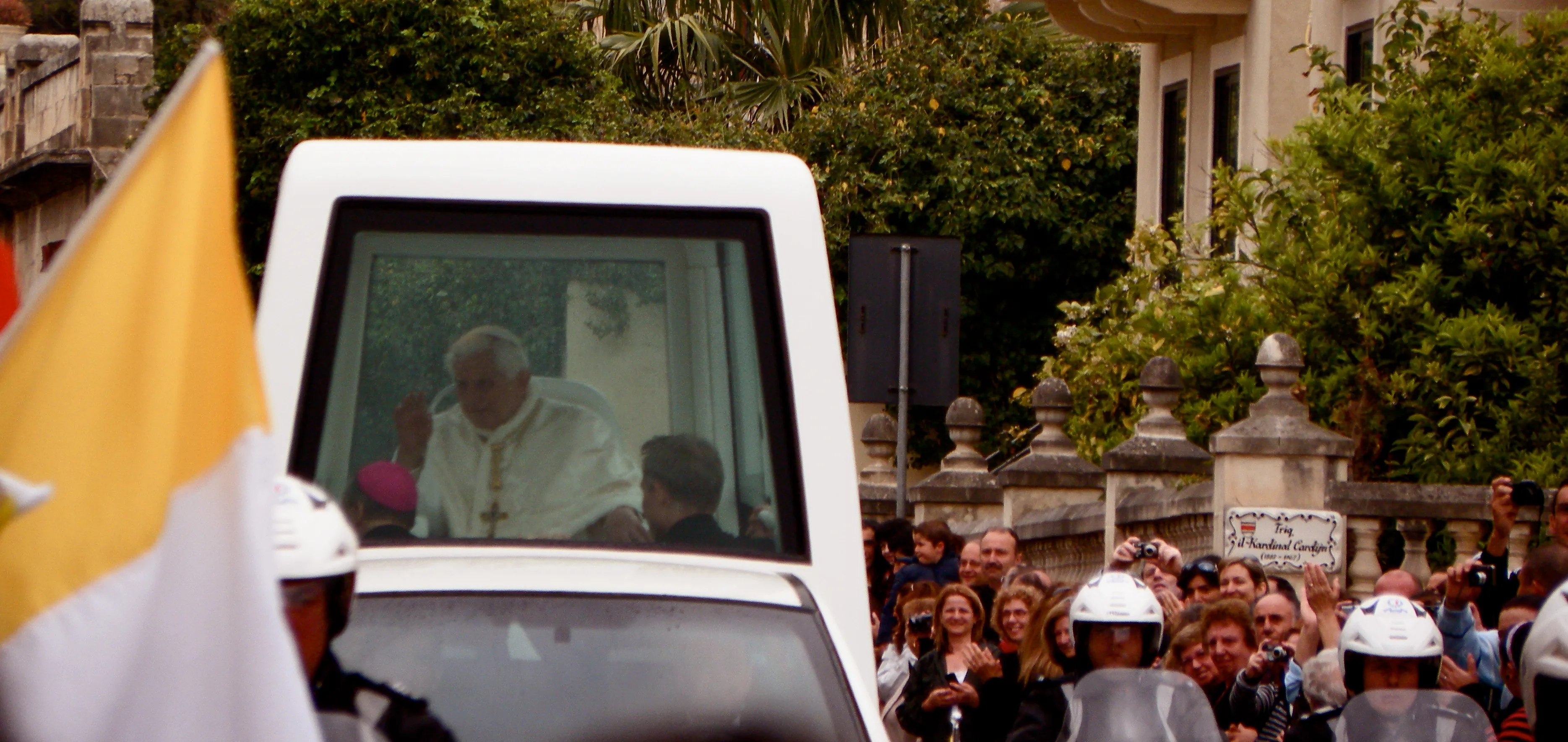
Pope Benedict XVI visited Santiago de Compostela on 6 November 2010, during that year’s Jacobean Holy Year. The one-day pilgrimage formed the first half of a journey that continued to Barcelona for the dedication of the Sagrada Família.
A tightly timed day in Santiago
Benedict XVI arrived at Santiago airport at 11:30 am. At 1 pm he visited the Cathedral and prayed at the tomb of Saint James. After lunch at the Archbishop’s residence, he celebrated Mass in the Plaza del Obradoiro at 4:30 pm, then left Santiago that evening for Barcelona.
The timetable was brief, but its sequence followed the logic of pilgrimage: arrival, the Cathedral and Apostle’s tomb, worship, then departure.
“A pilgrim among pilgrims”
In his Obradoiro homily, Benedict described himself as a pilgrim among the many who had come to Compostela. He connected the search involved in pilgrimage with questions about God, human dignity and Europe’s public life.
The address belonged to a different papal voice and historical moment from John Paul II’s celebrated 1982 European Act. Yet both used Santiago to speak about Europe from a city made by roads crossing borders.
What the visit meant during a Holy Year
The Holy Door was open in 2010, and Santiago had prepared for larger pilgrim numbers and major liturgies. A papal visit added extensive security and access controls to an already busy jubilee calendar.
That history is useful when thinking about 2027. Archbishop Francisco José Prieto has invited Pope Leo XIV, but there is no confirmed Vatican programme for a Santiago visit as of 10 October 2026. The 2010 precedent shows the scale of planning a confirmed visit would require; it does not predict that one will happen.
Following the visit today
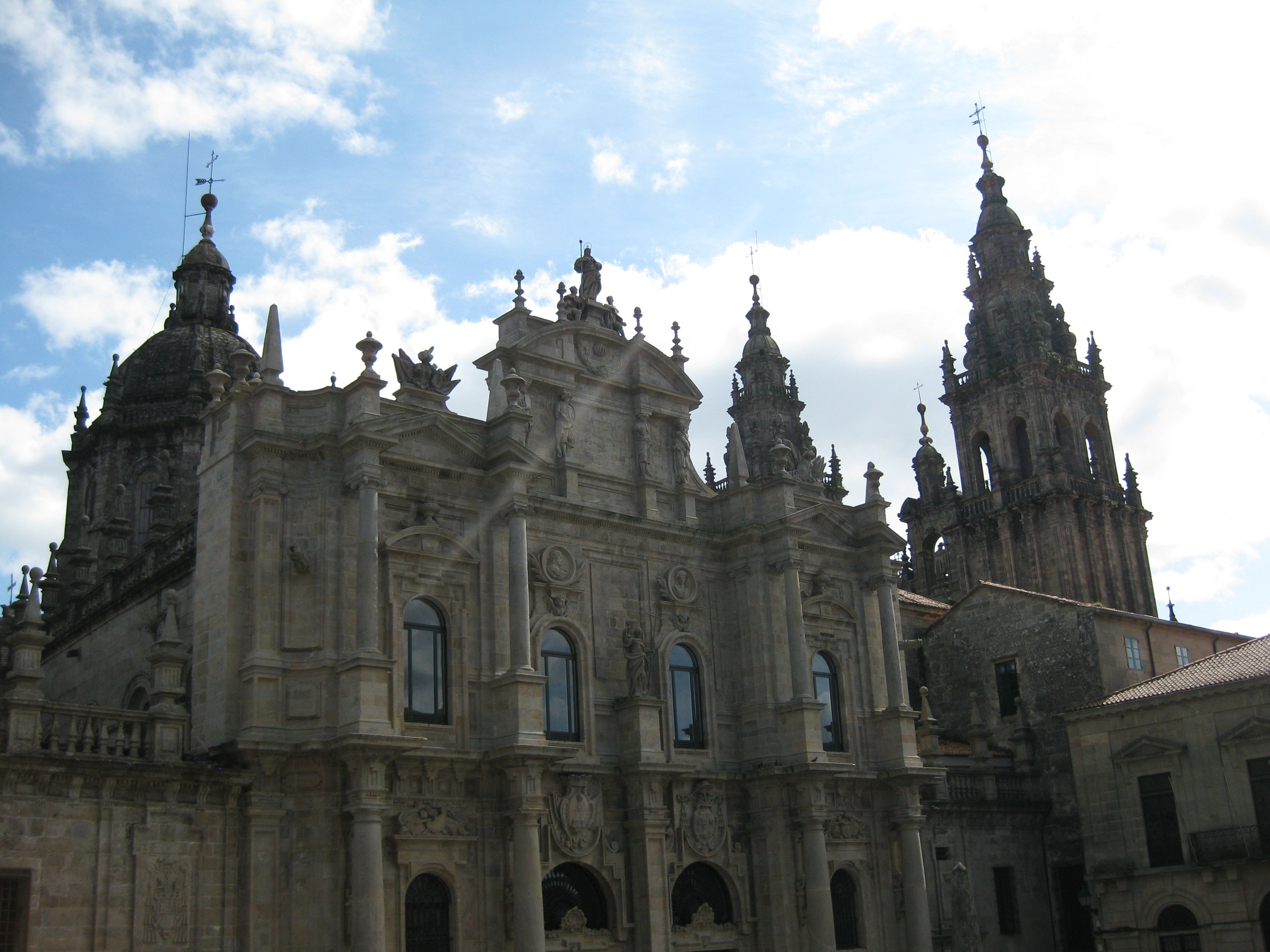
The principal places remain part of an ordinary arrival in Santiago: the Cathedral, the tomb of Saint James and the broad Obradoiro façade. A traveller can stand in the square where the Mass took place without needing a special historical trail.
For the papal visit that shaped modern descriptions of the Camino as a European route, read John Paul II’s 1982 European Act. Our current assessment of 2027 is in Will Pope Leo XIV Visit Santiago?.
If the Holy Year is central to your journey, Start Planning with the dates and ceremonies that matter to you so the Santiago stay is designed around confirmed information.