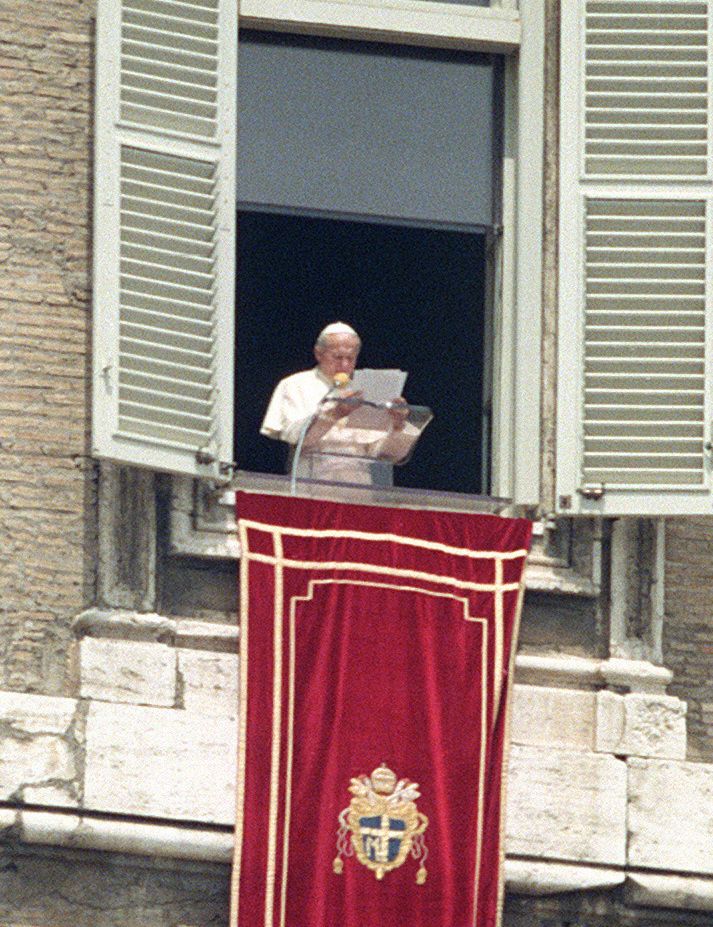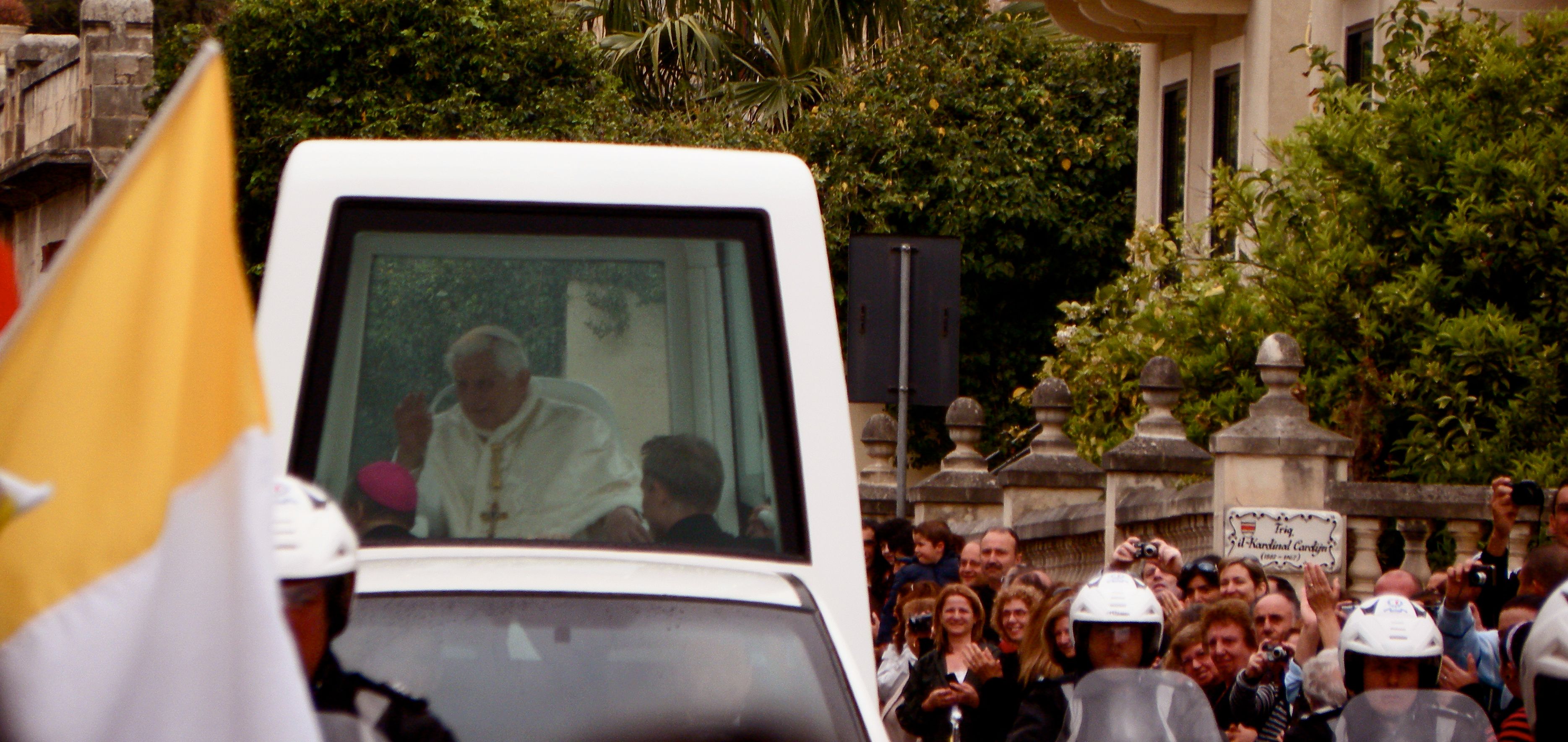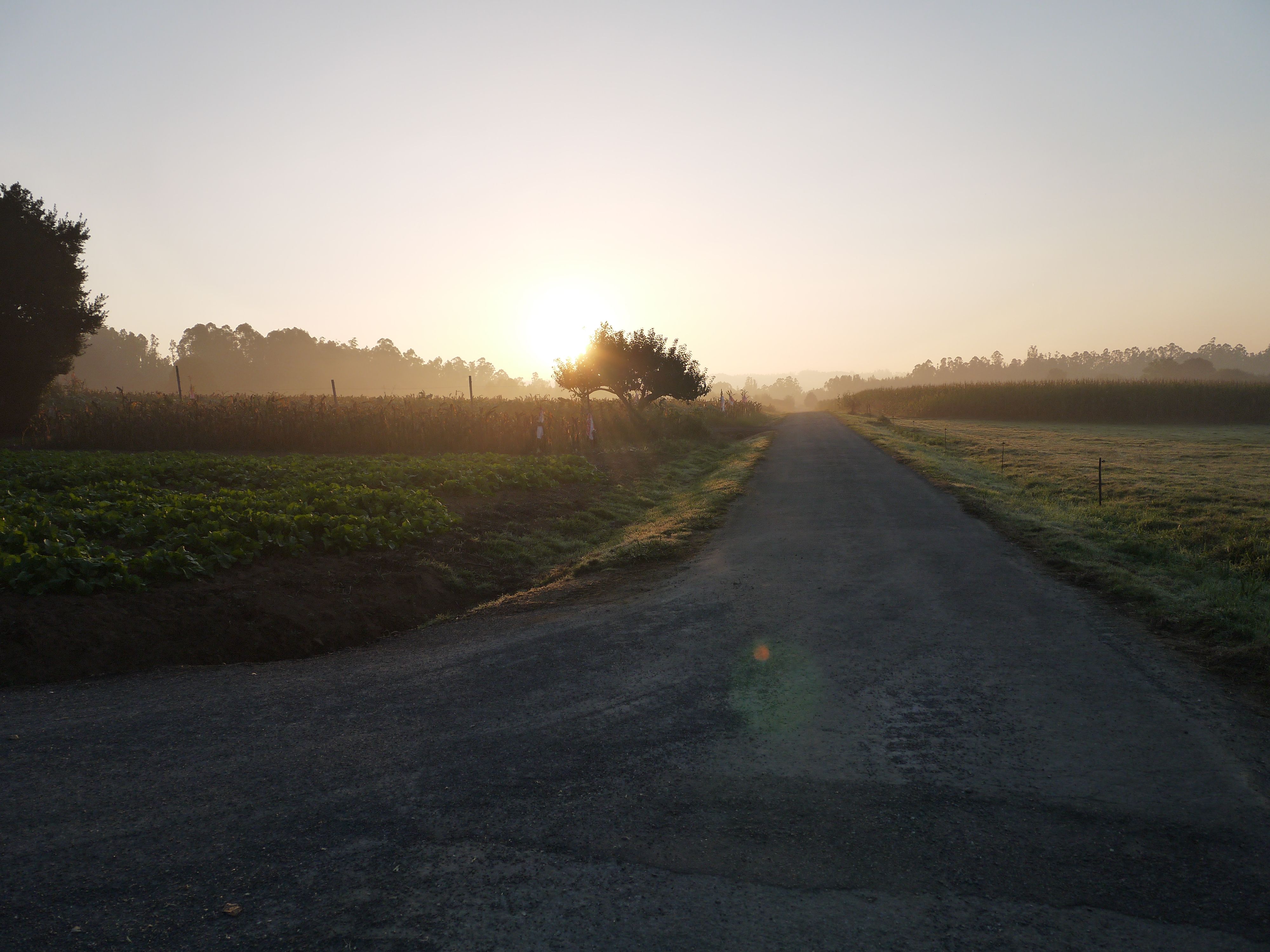
The fourth World Youth Day was held in Santiago de Compostela on 19 and 20 August 1989. Its theme came from the Gospel of John: “I am the Way, the Truth and the Life.” The choice of Santiago allowed the meeting to work as a pilgrimage rather than simply a large event with a religious programme.
Why Monte do Gozo?
Monte do Gozo stands a few kilometres before the Cathedral on the French Way. Its name, the Mount of Joy, refers to the emotion of pilgrims seeing Santiago from the hill. John Paul II met the young pilgrims there for the evening vigil on 19 August and returned for Mass the next day.
The setting carried a clear message. Participants had come from different countries by road, coach and on foot. At the hill, their separate journeys became one gathering before the final approach to the Apostle’s tomb.
“Pilgrims, what do you seek?”
During the vigil, John Paul II framed the encounter around a direct question: what were the young pilgrims seeking? The programme used testimony, prayer, music and the language of the Camino to examine vocation and faith.
Earlier that day the Pope had entered Santiago Cathedral and performed the pilgrim rites at the tomb of Saint James. His words treated pilgrimage as a real physical journey with fatigue and companionship, as well as a spiritual image.
A visible moment in the Camino’s modern revival
The Camino was already attracting renewed interest, and local institutions had begun major work ahead of the 1993 Holy Year. The international images from 1989 added momentum. Santiago appeared on television screens as a destination for a young, mobile and multilingual generation.
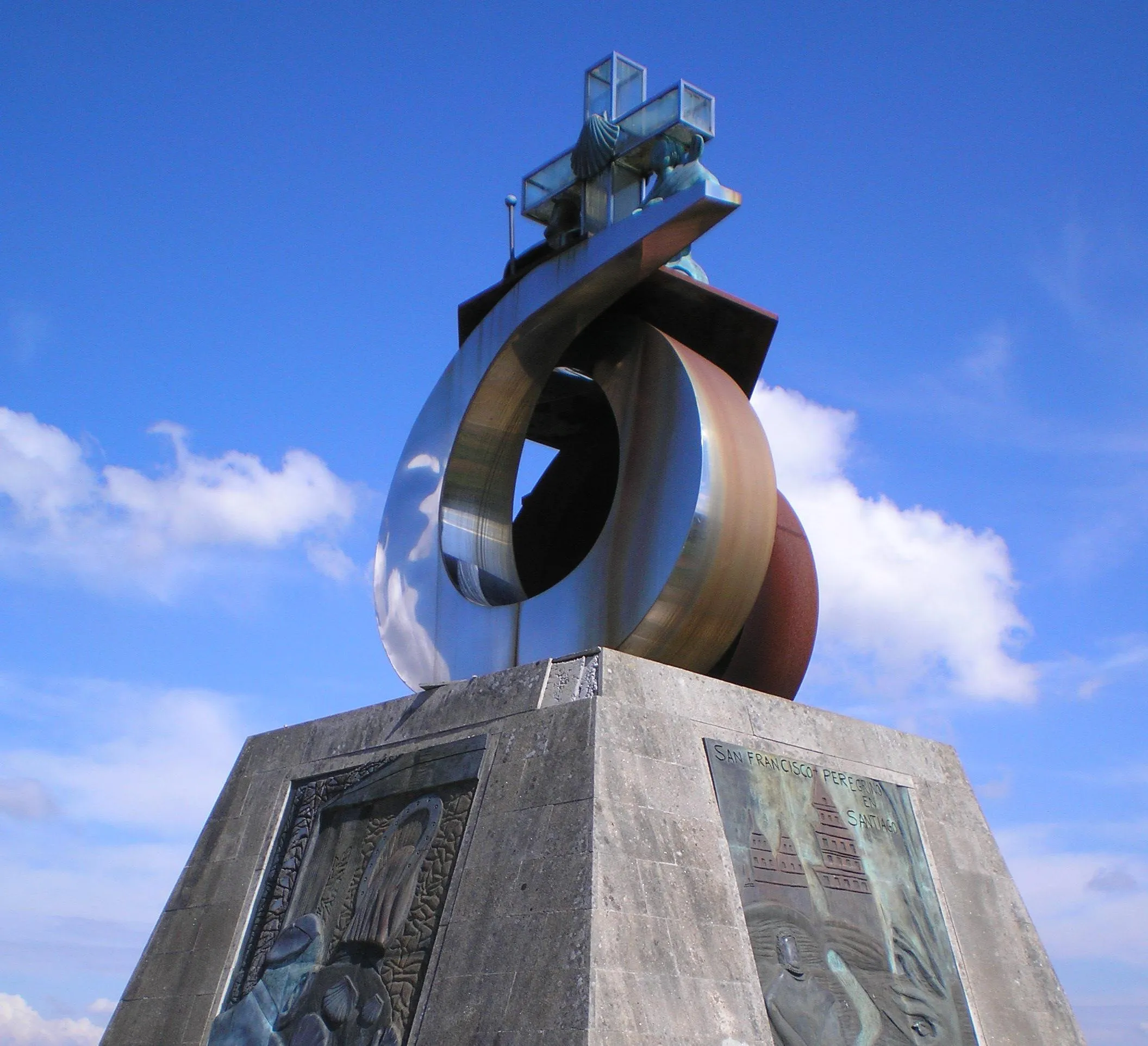
Monte do Gozo was subsequently developed to accommodate large pilgrim gatherings. Walkers today encounter monuments and facilities from that modern chapter beside a place whose meaning is much older.
What can pilgrims see today?
The first Cathedral view is less straightforward than old descriptions suggest because trees and development have changed the sightlines. The hill remains an important pause before Santiago. From there, the Camino descends through the outskirts and enters the historical city.
John Paul II’s two Santiago visits belong together. In 1982 he addressed Europe from the Cathedral; in 1989 he returned to speak to young pilgrims at the edge of the city. Read the earlier story in John Paul II’s European Act.
Several of our French Way journeys make this final approach, with time in Santiago after arrival rather than an immediate departure.