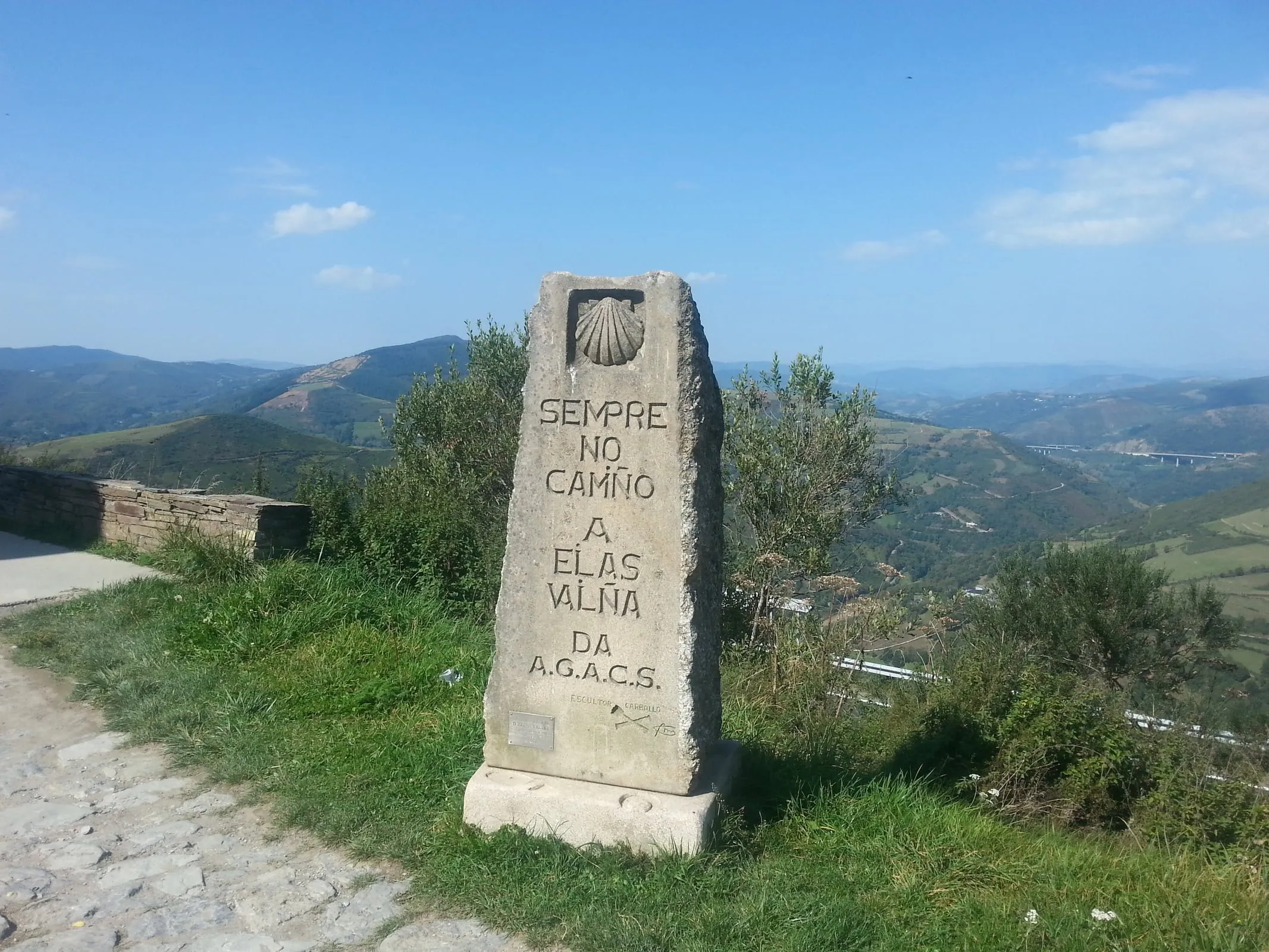
On the Camino Francés, the climb to O Cebreiro gives entry into Galicia a dramatic setting. Other routes cross the regional boundary beside a river, on a country road or near a coastal town. In every case, the change is both immediate and gradual.
The official sign marks the border, while the regional changes accumulate more slowly. Stone, place names, food and settlement patterns begin to look different over the following stages. Distance markers also pull attention toward Santiago, sometimes so strongly that Galicia passes as scenery before Obradoiro.
Entering attentively means holding both experiences together: the growing anticipation of Santiago and curiosity about the territory being crossed. Granite buildings, changing place names, lunch dishes and patterns of settlement can say as much about arrival in Galicia as the border marker itself. The region’s granite has a much older story, explained in our guide to the geology of Galicia.
Green, but not always wet
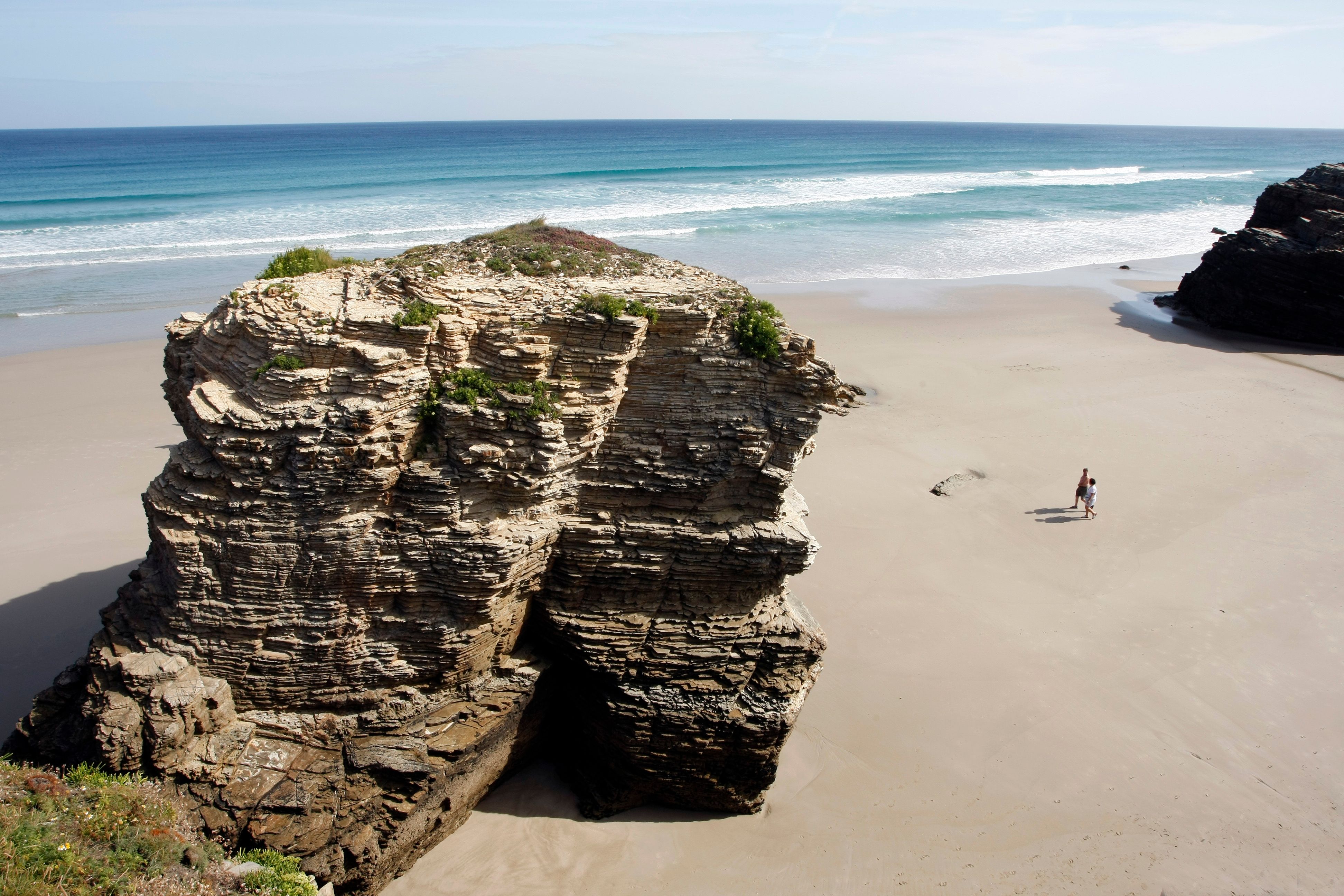
Galicia is associated with rain, woodland and pasture. Atlantic weather supports the green landscape, but conditions vary by season and area. Summer can bring heat and dry ground, while winter storms make some paths very wet.
The final Camino stages cross rolling terrain. Repeated short climbs can surprise walkers expecting an easy descent toward Santiago.
Stone and settlement
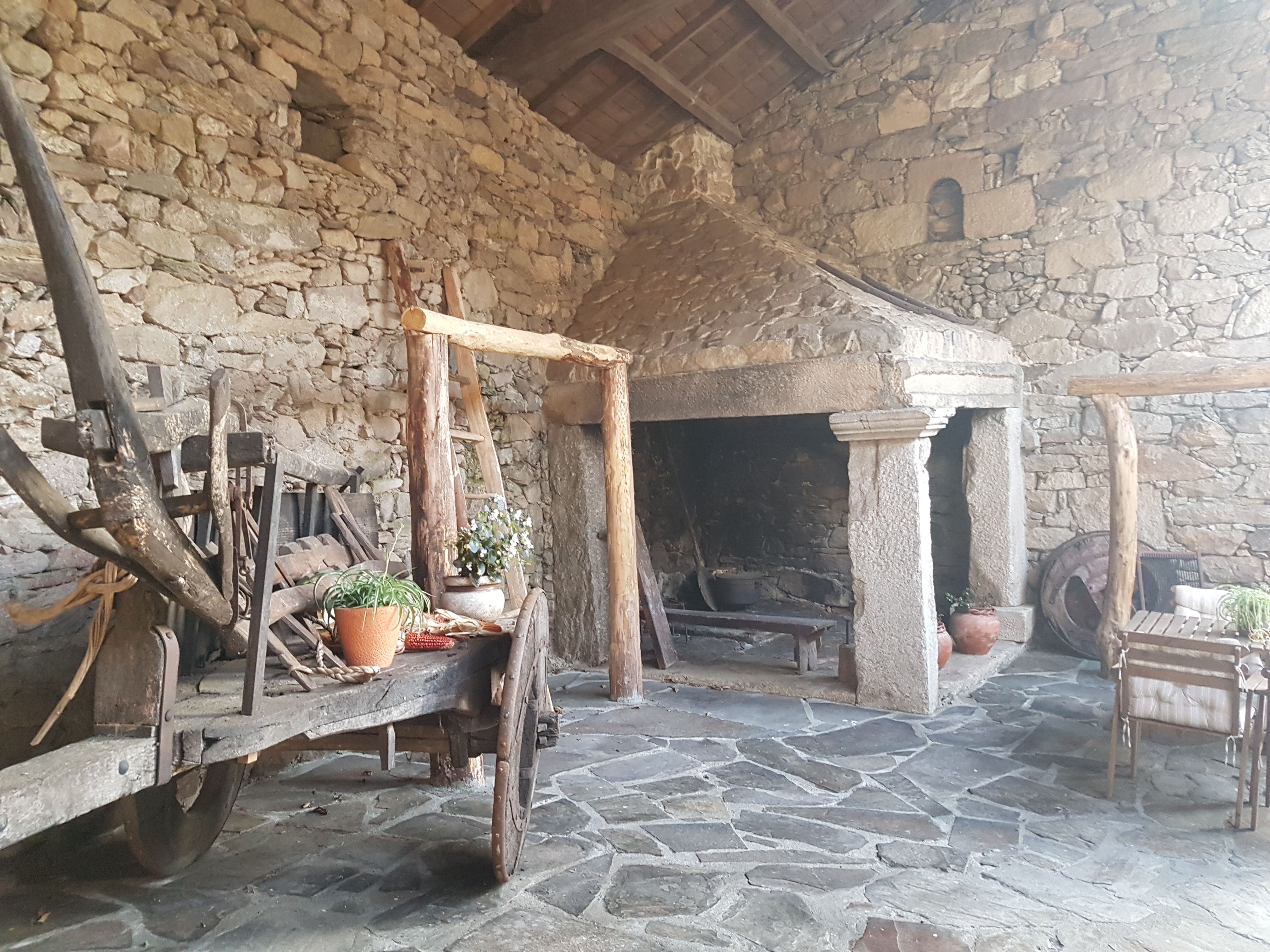
Granite becomes increasingly visible in houses, churches, walls and paving. In mountain areas, slate also shapes roofs and villages. Raised granaries, or hórreos, appear beside farms and homes.
Settlement is dispersed. A place name on a map may refer to a small cluster of houses rather than a town with full services. The final section of our French Way from Ponferrada to Santiago crosses into Galicia at O Cebreiro. Planning water and meals remains important.
Galician language
Galicia has two official languages, Galician and Spanish. Road signs and place names may use Galician forms: O Cebreiro, A Coruña, Fisterra and Ourense.
Recognizing Galician helps explain why familiar words look different, even though pilgrims do not need to speak it. Bo Camiño is the Galician counterpart to Buen Camino.
Food reflects the region
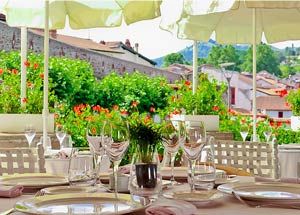
Galician broth, empanada, cheeses and local meats appear along inland routes. Near the coast and in Santiago, seafood becomes more prominent. Bread, wine and desserts also vary by area.
The pilgrim menu is only one introduction. A small restaurant’s daily specials may reveal more about what local people are eating.
The countdown to Santiago
Distance markers make the destination increasingly measurable. More pilgrims join the principal final sections, and conversation turns toward the Compostela Certificate and arrival plans.
The route is not uniformly quiet or rural. Roads, airports, modern suburbs and commercial services belong to the final approach as much as eucalyptus woodland and village churches.
Galicia is not scenery arranged for the final stages. People farm, commute and build beside the same roads pilgrims use. Notice the Galician place names, granite villages and lunch specials before the distance markers pull all attention toward Santiago.