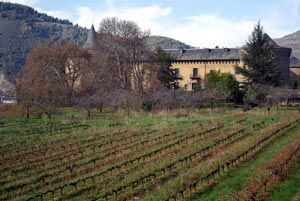
Galicia has five wine denominations: Rías Baixas, Ribeiro, Ribeira Sacra, Valdeorras and Monterrei. Immediately east, El Bierzo belongs administratively to Castilla y León but shares Galicia’s Atlantic influence, old vines and native grapes. A map gives useful boundaries; the glass reveals the transitions.
Albariño and Godello
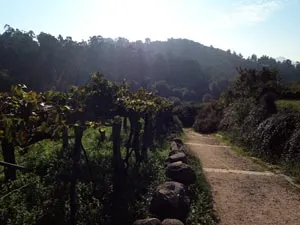
Albariño remains the internationally recognized Galician white. In Rías Baixas it commonly gives bright acidity, citrus and stone-fruit flavours, sometimes with a saline impression that suits the estuaries where much of it grows. The pergola-like parra training traditionally lifts grapes above damp ground and improves air circulation.
Godello is currently the more fashionable grape among many sommeliers and Spanish-wine drinkers, although it is not yet more widely known or produced than Albariño. It dominates white planting in Valdeorras and is important in Monterrei, Ribeira Sacra and Bierzo. Depending on site and winemaking, it can show apple, pear, herbs and a firmer mineral texture. It also handles lees ageing and oak more readily than the freshest styles of Albariño.
Choose Albariño for oysters, clams, grilled fish, octopus or a simple plate of zamburiñas. Choose a young Godello for trout, hake or roast vegetables. A fuller, lees-aged or barrel-fermented Godello can accompany turbot, chicken, creamy rice and soft cheeses.
Ribeiro, red Galicia and Mencía
Ribeiro often blends Treixadura with grapes such as Godello, Loureira, Torrontés or Albariño. Treixadura brings fragrance and breadth without losing freshness. These wines suit empanada, shellfish and lighter pork dishes.
Galicia also makes serious reds. Mencía is central to Ribeira Sacra and Bierzo, producing everything from light, aromatic wines to structured bottles from old vines. Brancellao, Merenzao, Sousón and Caíño add spice, acidity and local character. With grilled pork, veal, mushrooms or lacón con grelos, choose a fresher Mencía; with lamb or a long-cooked stew, look for older vines and more ageing.
Ribeira Sacra, Valdeorras and Monterrei
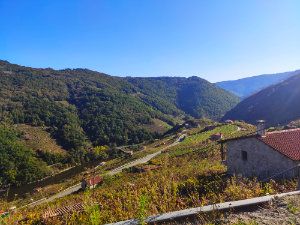
In Ribeira Sacra, vineyards occupy terraces above the Sil and Miño rivers. Mencía leads the reds, while Godello and other local white grapes are increasingly visible. The labour behind those slopes deserves a separate explanation in our guide to Ribeira Sacra and heroic viticulture.
Valdeorras is one of the reference points for Godello, from direct, fresh wines to bottles fermented or aged in larger wooden vessels. Monterrei, farther south and inland, has warmer summers and produces both Godello-based whites and reds led by Mencía and other permitted grapes.
El Bierzo and “the Wine Wizard”
El Bierzo’s basin and mountain edges combine slate, clay, altitude and Atlantic influence. Old Mencía vines are its emblem, while Godello and other white varieties are gaining attention.
The region’s best-known winemaker is Raúl Pérez, whose village and parcel wines helped bring international attention to Bierzo. His methods, 100-point wines and Albariño aged under the Arousa estuary are covered in our profile of Raúl Pérez and his wines.
Visit rather than chasing only the rarest bottle. Arrange winery appointments in advance around Valtuille de Abajo, Cacabelos and Villafranca del Bierzo. Small producers may not operate permanent tasting rooms, and harvest is a working period rather than an open-house event.
How to order confidently
Start with place and style, then price. Ask whether the white is crisp and unoaked or fuller and lees-aged; ask whether the red is light and aromatic or structured. Vintage matters less than storage and the producer’s intended style. Serve whites cool rather than ice-cold, since excessive chilling removes aroma. Light Mencía benefits from a slight chill; powerful reds need time in the glass more than high room temperature.
A useful progression through dinner is sparkling or young Albariño with shellfish, textured Godello with the main fish course, and Mencía with meat or cheese. The best pairing is based on weight, sauce and cooking method, not simply the colour of the ingredient.
Wine visits fit naturally into the Portuguese Way through Rías Baixas and the French Way through El Bierzo. Tell us what you enjoy drinking and we can suggest a winery, an estate lunch or a guided tasting that works with the walking schedule.