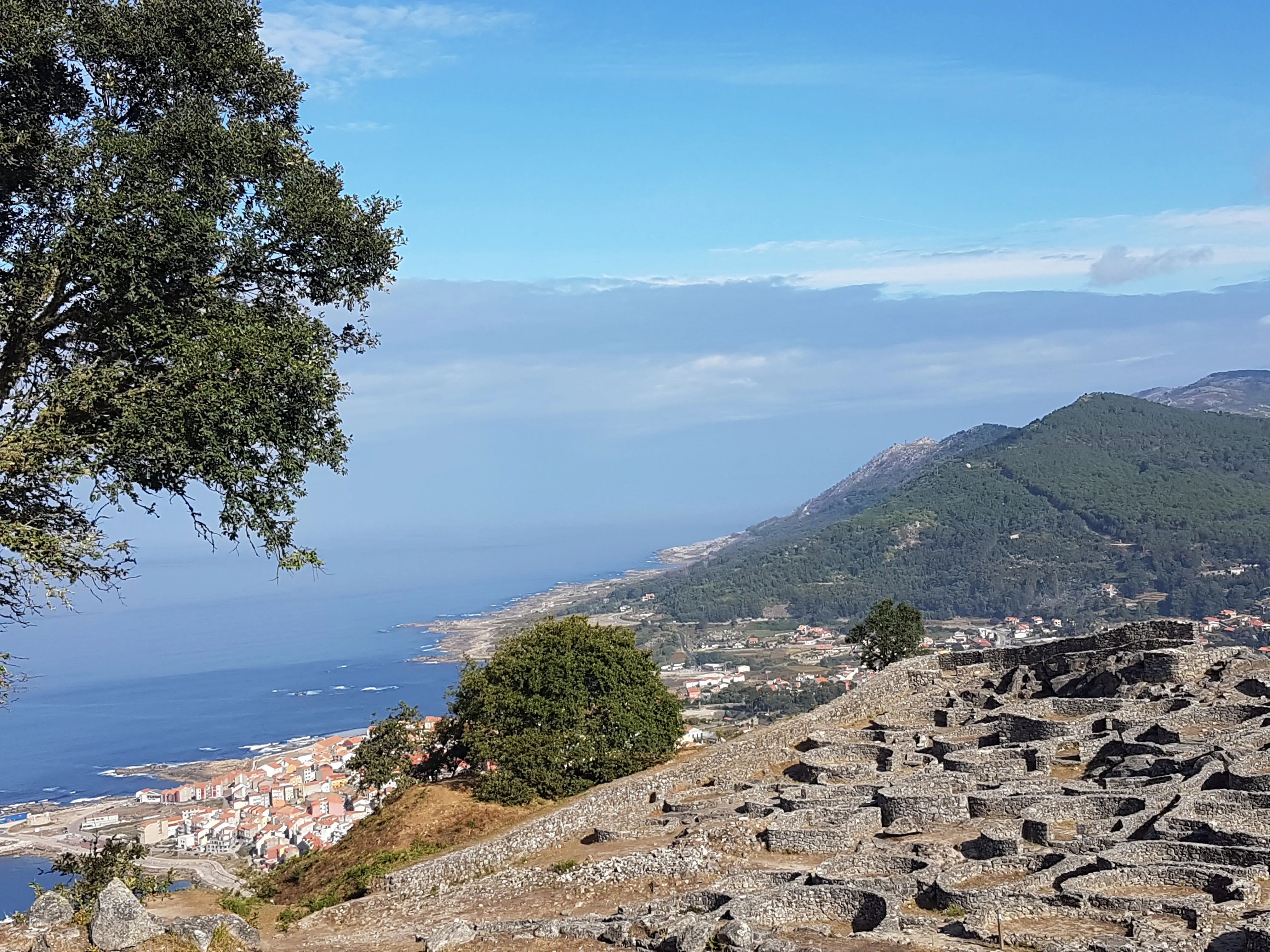
Galicians are the result of repeated population movements across thousands of years. Prehistoric hunter-gatherers, early farming communities, Bronze Age migrants, inhabitants of the castros, Romans and later medieval populations all contributed. DNA cannot reduce that history to one label.
A major 2019 study examined genome-wide data from 1,413 people across Spain. It found exceptionally fine-scale population structure in Galicia, sometimes separating neighbouring areas less than ten kilometres apart. Long periods of local marriage and geographic stability can create such patterns without requiring a different ancient “race” in every valley.
Galicia, Portugal and North Africa
When researchers compared Iberians with external populations, samples from Pontevedra clustered closely with Portugal and western Spain. The study also detected varying amounts of ancestry related to modern northwestern African populations throughout Iberia.
Some of the highest estimated proportions occurred in the west, including Galicia, even though most of Galicia was never governed for long from al-Andalus. The researchers dated the main mixing signal broadly to 860–1120 CE and suggested later movement within western Iberia as one possible explanation. “North African-like ancestry” is a statistical comparison between populations. It does not identify a recent Berber ancestor for every Galician family.
Are Galicians descended from the Irish?
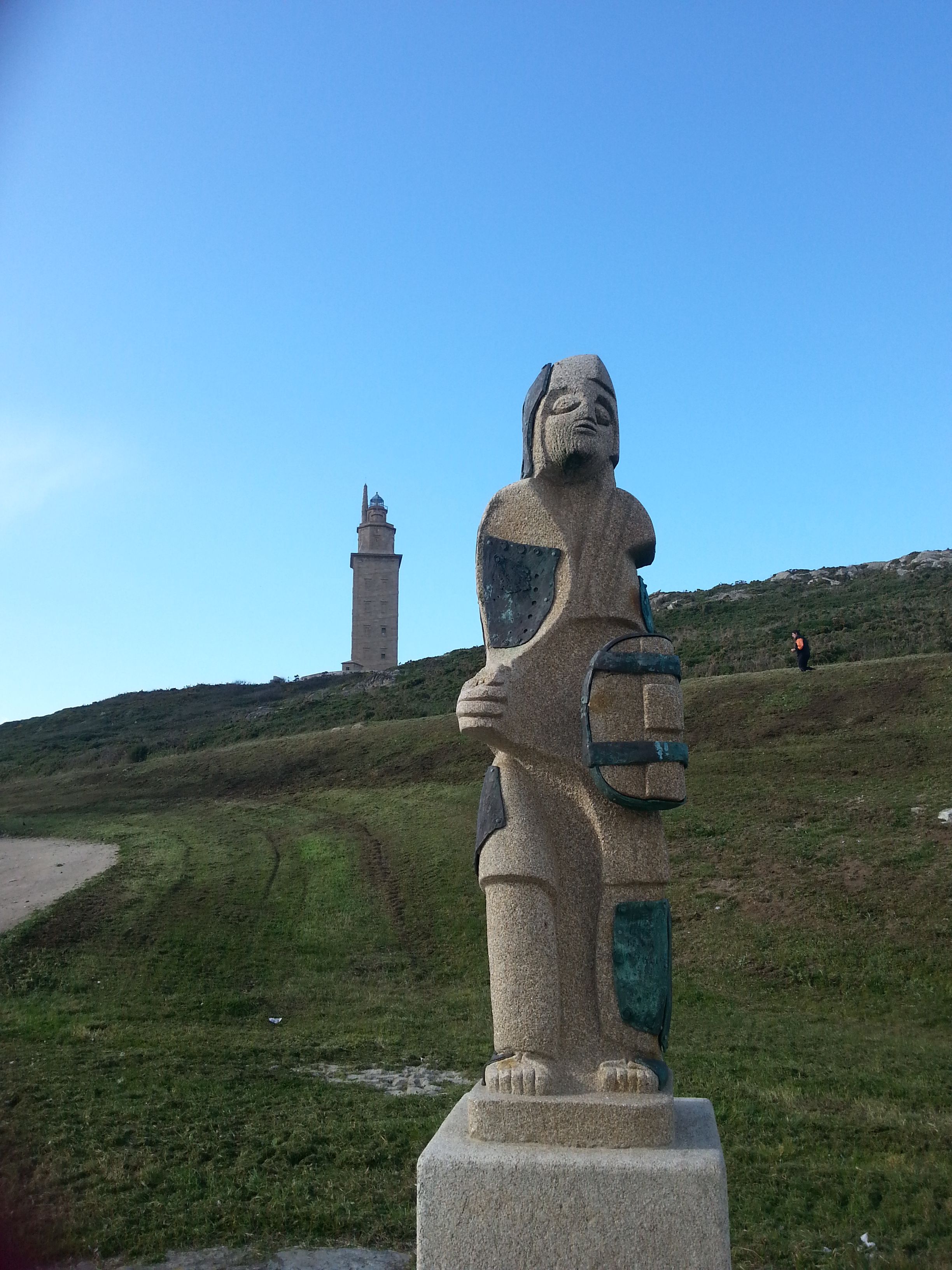
Galicia and Ireland share Atlantic archaeology, music used in modern Celtic identity and the medieval legend of Breogán. Genetic similarities among western Europeans reflect several prehistoric migrations and subsequent contact. They do not demonstrate that modern Irish people descend wholesale from Galicia, or the reverse.
Commercial ancestry estimates can label the same inherited segment “Irish,” “Iberian” or “Broadly Northwestern European” as their comparison databases change. These results are useful for family research when combined with documents, but weak evidence for national origin legends.
Grey eyes and appearance
Galicians show the full range of eye, hair and skin colours found elsewhere in Iberia. Grey, blue and green eyes certainly occur. We found no robust population study establishing uniquely Galician grey eyes or connecting that trait specifically with Berber or Irish ancestry.
Eye colour is influenced by several genes and the amount and distribution of melanin in the iris. Similar visible traits can appear in people with quite different family histories. A striking eye colour is not an ancestry test.
Reading genetic claims carefully
Population studies describe probabilities across samples. They depend on who was sampled, which modern groups were used as references and the statistical model selected. Historical identity also includes language, community, law and memory, none of which can be read from a chromosome.
Galicia’s castros and Atlantic monuments can be explored before or after a Camino. Ask us to shape a cultural itinerary around archaeology and local history rather than genetic stereotypes.