Feet rarely fail without warning. A warm patch under a toe, damp sock, grain of sand or heel beginning to rub can become a blister after another hour. Stop when you first notice it. Five minutes beside the path is easier to recover from than several painful stages.
Start during training
Use the exact footwear, insoles and socks intended for the Camino on consecutive training days. One comfortable Sunday walk cannot show how the same seam will feel after three stages. Include hard surfaces and descents because toes move forward inside the shoe when walking downhill.
Some walkers prepare friction-prone areas with Akileïne NOK anti-friction cream. If you plan to use it, begin at least two weeks before departure; the product’s competition routine starts 20 days beforehand. Massage it into intact skin according to the instructions so you can discover any irritation before travel. Do not apply it to broken skin, and do not expect cream to correct a shoe that rubs.
Trim toenails straight across before the journey, leaving enough length to avoid cutting into the surrounding skin. Avoid an aggressive last-minute pedicure. Anyone with diabetes, poor circulation, reduced sensation, persistent foot pain or a history of serious foot problems should obtain individual medical or podiatry advice before walking.
Choose socks for moisture and fit
Technical walking or marathon socks are designed to move moisture away from the skin and reduce bunching. Some use a double-layer construction so friction occurs between the layers rather than directly against the foot. Others add padding around the heel and forefoot. Brand and thickness matter less than a close, wrinkle-free fit that has already worked inside your chosen shoes.
Cotton holds moisture and normally dries slowly. Merino or synthetic walking socks manage perspiration better. Test the combination in warm weather as well as rain: a thick sock can make a well-fitted shoe too tight once the foot swells.
Carry one dry spare pair in a waterproof bag inside the daypack. If socks become soaked by rain, sweat or a stream crossing, change them. Attach the wet pair to the outside of the pack only if it can be secured safely; otherwise place it in a separate bag and dry it at the hotel.
A two-minute morning check
Before putting on socks, check the heels, soles, toes and spaces between them. Cover a known friction point before it becomes sore, using the dressing or tape already tested during training. Smooth each sock so there are no folds.
Run a hand inside both shoes. A small stone, loose insole edge or dried piece of mud can cause a surprising amount of damage. Lace the heel securely while leaving enough room for the toes. Feet commonly swell during a long stage, so loosen the lacing if pressure develops across the forefoot.
Stop for hot spots
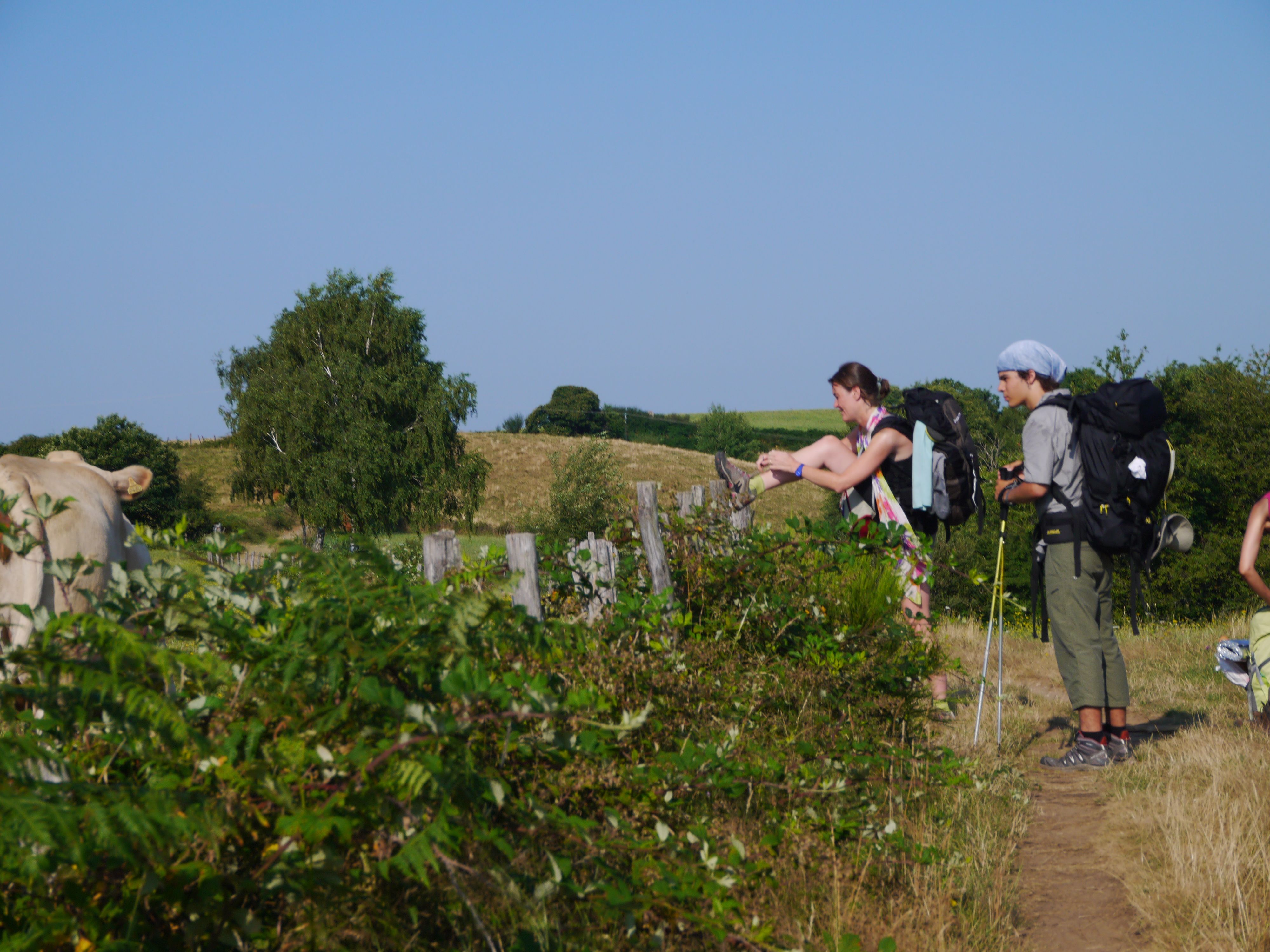
A hot spot is the early burning or tender sensation caused by repeated friction. Sit down, remove the shoe and sock, and identify the cause. Dry the skin, shake grit from the shoe and replace a damp sock. Protect intact irritated skin with the product you know how to use. Continuing until the next café can turn a simple adjustment into a blister.
Do not make a major change halfway through the trip without testing it. A new insole, thick pad or different lacing pattern alters the space inside the shoe. If it creates pressure elsewhere, remove it.
Switch footwear intelligently
Changing footwear can move pressure away from one irritated area. This only helps if the second pair is suitable and has been trained in. Do not walk a long stage in untested sandals, casual trainers or minimalist shoes because the main pair has caused a problem.
Travelers using luggage transfer may bring two proven walking options, particularly when they already know their feet benefit from alternating shoes. Weight and luggage allowance still matter. For many walkers, one reliable walking pair plus light sandals or comfortable evening shoes is the better arrangement. Evening footwear lets swollen feet relax and gives the walking shoes time to dry.
After the stage
Wash and dry the feet carefully, especially between the toes. Inspect them in good light. Remove insoles from damp shoes, open the laces and allow everything to dry naturally. Do not place footwear directly against a radiator or other intense heat because it can damage adhesives and change the fit.
Most intact blisters should be protected and left to heal. Do not remove the skin covering a blister. Large, painful or complicated blisters, and any redness, warmth, swelling, pus or increasing pain, deserve advice from a pharmacist or medical professional. Be more cautious if a health condition increases the risk of infection or delayed healing.
Pack a small foot-care kit whose contents you have practised using. Add spare socks to the daypack every morning. The most effective item in the kit remains the willingness to stop as soon as something feels wrong.
Our guide to walking shoes, boots and sandals covers Gore-Tex, warm-weather footwear and evening shoes. If you prefer shorter stages while your feet adapt, choose that pace when you start planning.