One Camino stage can combine pavement, compacted earth, cobbles, woodland paths and mud. Walking shoes, trail shoes and boots can all work. The correct pair fits your feet, has enough grip for the route and has already been tested on consecutive long walks.
Walking shoes and trail shoes
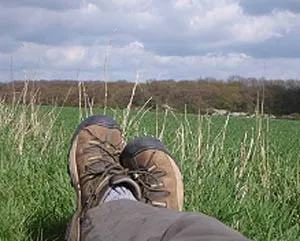
Walking or trail shoes are usually lighter than boots and often dry faster. They work well on routes with substantial road, firm track and moderate woodland paths. A lower cut also allows freer ankle movement. Less material around the ankle means less protection from mud, loose stones and wet vegetation, so check the terrain rather than choosing by weight alone.
Boots
Boots can provide a more protected feel on rough or wet ground. Some travelers value their higher collar and sturdier construction, particularly when accustomed to them. They are usually heavier and may take longer to dry. A rigid boot is not automatically more supportive if it fits poorly or changes the wearer’s natural stride.
If you normally walk in light shoes, buying a stiff boot immediately before the Camino can create new pressure points and alter how you move. Boots need the same realistic testing as any other footwear.
Are Gore-Tex shoes always better?
No. A Gore-Tex or similar waterproof membrane can be useful in wet grass, mud and persistent rain, provided water does not enter over the top. The membrane also breathes less freely than an open mesh upper. Some walkers find that their feet become warmer and sweat more inside, especially in summer. Once water enters a waterproof shoe, it can take longer to drain and dry.
A breathable non-waterproof trail shoe may be more comfortable in warm conditions and can dry quickly after a shower. A waterproof shoe may suit a cooler, wetter itinerary. Test both temperature and moisture during training; a dry sock from rain is not much help if the foot is soaked by perspiration.
Walking sandals and evening shoes
Bring a second, light pair for after the stage. Walking sandals can be particularly useful in summer for afternoons in town, allowing feet and the main walking shoes to air. They can also provide temporary relief if one part of the foot has become irritated.
Sandals are not an automatic replacement for trained walking footwear. Do not begin a long stage in sandals, minimalist shoes or any other pair that has not already proved comfortable over comparable distance and terrain. Thin soles, open toes and unfamiliar straps can become a problem on gravel, descents and hot pavement.
Fit decides more than category
Feet can swell during long days. Toes need room on descents, heels should remain secure and seams should not create repeated pressure. Try footwear late in the day and test it with the socks, insoles and daypack intended for the Camino.
Do not begin the journey in a new or untested pair. Several short walks are insufficient: include hills, hard surfaces, descents and back-to-back walking days. Inspect the tread, seams and midsole before departure because a severely worn pair may fail during consecutive stages. If pain, foot conditions or previous injuries affect the choice, consult an appropriate professional.
Pack the evening shoes even when luggage transfer is not included. A very light second pair gives your feet a change and lets the walking shoes dry fully before the next morning.