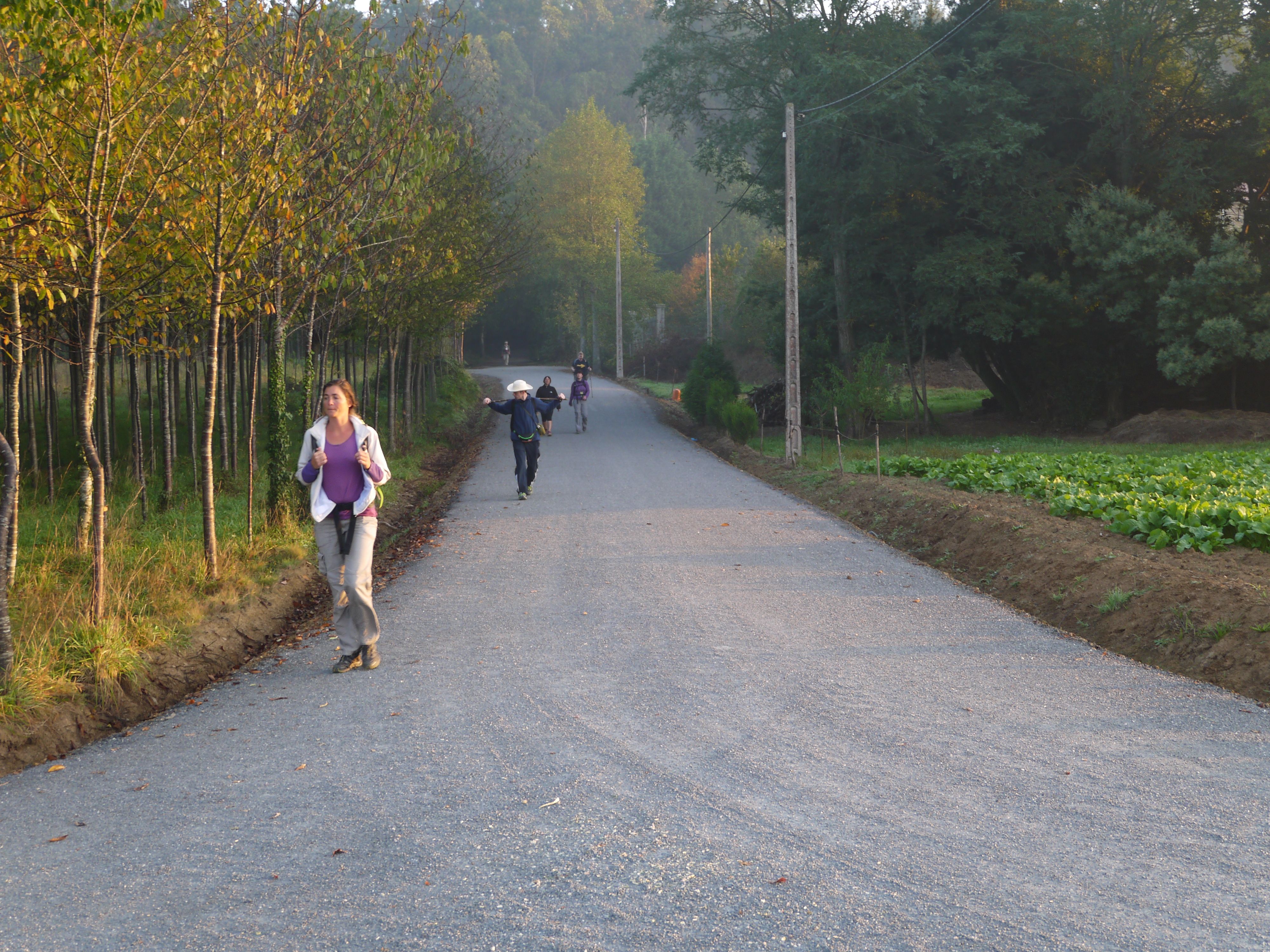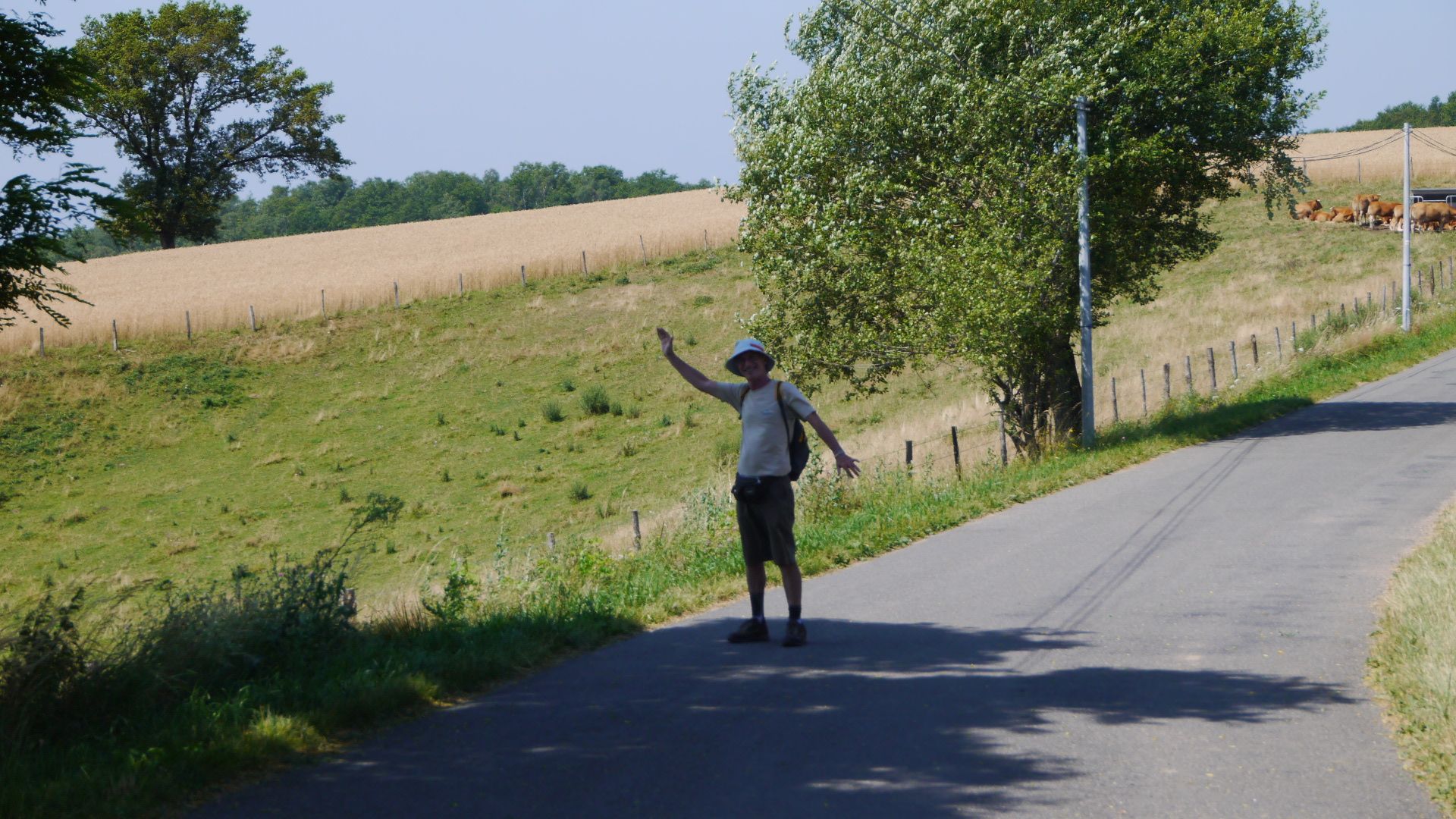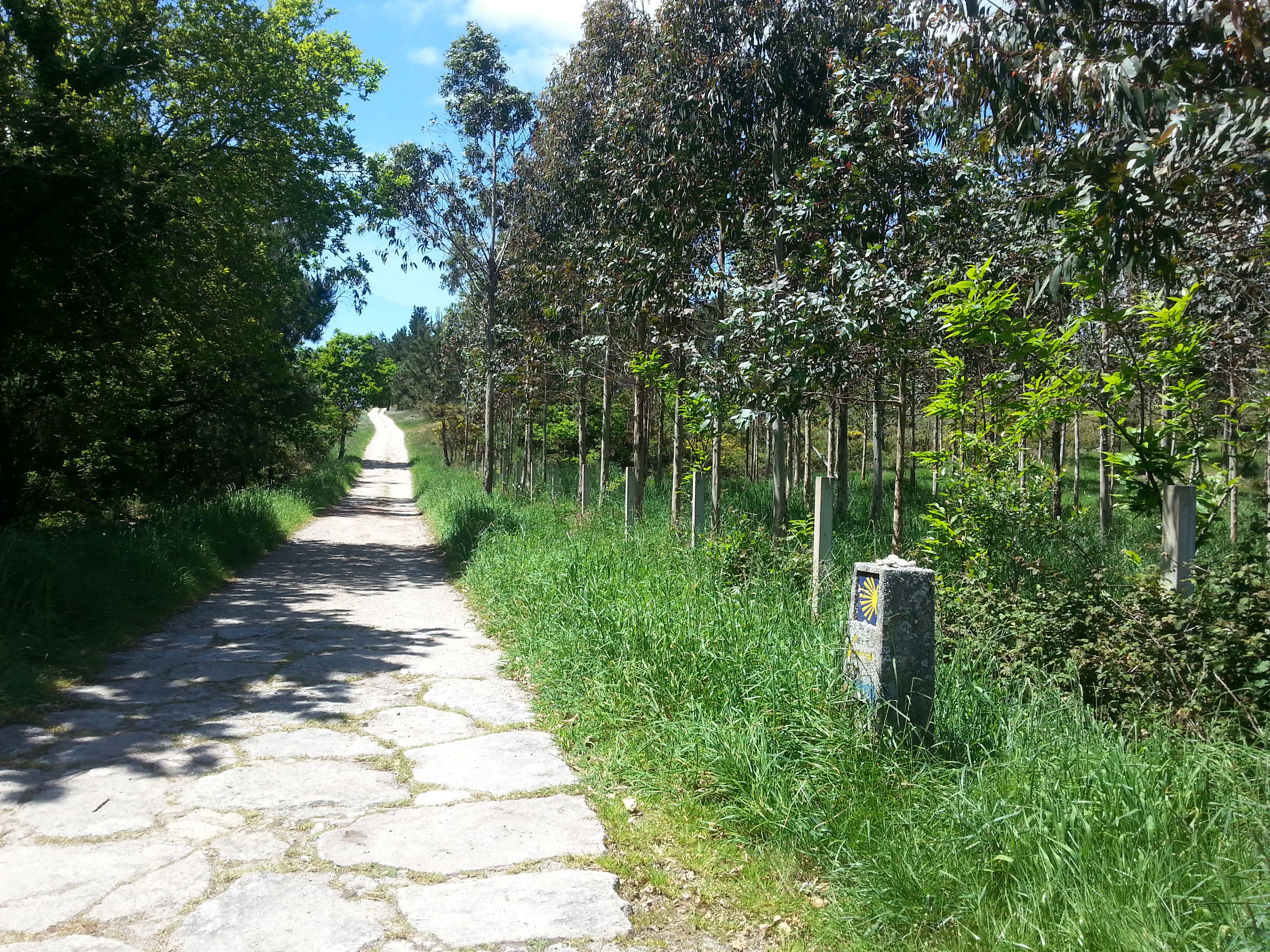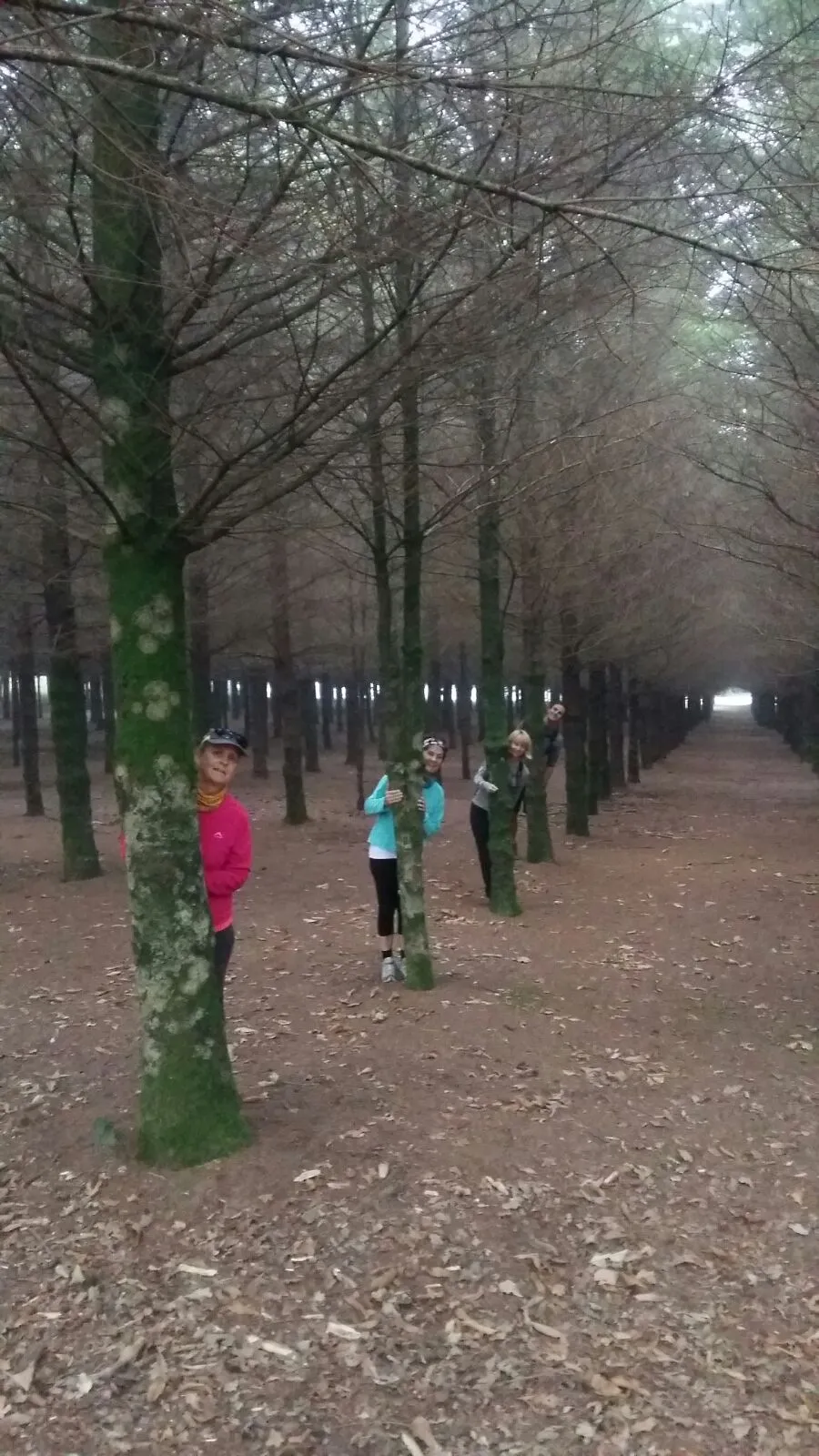
On the Camino, friendship often begins with a practical question: Where did you start? How are your feet? Is the next café open? An hour later, the same two people may be talking about a marriage, a bereavement, a change of career or the reason one of them needed to walk.
Why conversation becomes personal
Walking places people side by side rather than face to face. There is no need to fill every silence, and the landscape gives both people somewhere else to look while they speak. A conversation can pause on a climb and begin again after the next village.
Pilgrims also share time. At home, a new acquaintance may receive twenty hurried minutes. On the Camino, you may walk together for four hours, meet again at dinner and find yourselves leaving at the same time the following morning.
There is another kind of freedom in knowing that you may never meet again. People sometimes say things they have never told anyone else because the listener sits outside their daily life. There are no shared colleagues, neighbours or family expectations. That confidence should be treated with care. A Camino conversation is not material to repeat later without permission.
Who you meet
Age, profession and nationality lose some of their normal importance when everybody is following the same yellow arrows. A retired teacher may spend the morning with a university student. A committed Catholic may share dinner with somebody who came for exercise or a personal reset. People whose lives would never overlap at home can become companions for a stage.
Some conversations are spiritual. Others concern food, blisters, children, history, politics or the alarming distance to the next hill. Depth cannot be scheduled. The friendships feel natural because ordinary conversation and serious conversation are allowed to coexist.
A meeting road for eleven centuries
The Camino has brought travelers together since the medieval pilgrimage developed after the ninth-century discovery associated with the tomb of Saint James. UNESCO describes it as a meeting place and a channel for cultural exchange between the Iberian Peninsula and the rest of Europe. Pilgrims carried stories, music, artistic ideas, commercial knowledge and news as well as faith.
For centuries, the Camino brought together people who would rarely have met at home. Pilgrims of different countries and social classes converged on Santiago, and the roads required hospitals, bridges, churches and whole towns to receive them. That mixture of strangers remains one of the Camino’s defining pleasures.
How to make contact without forcing it
Say good morning. Ask an easy question. Share a table when invited, but accept that another pilgrim may want silence. Do not treat walking alone as a problem that needs to be solved for somebody else.
Camino friendships also change shape. You may walk together for one day and lose each other at a rest stop. You may keep meeting the same person by accident across a week. Some companions exchange numbers in Santiago and remain close for years. Others part with a hug and no plan to meet again. The brevity does not make the friendship false.
Leave room for people in the itinerary
A tightly controlled timetable makes spontaneous company harder. A well-paced self-guided journey gives you time to stop for coffee, accept a shared lunch or sit in a square after the stage. If community is one of your main reasons for walking, mention it in Start Planning. We can recommend a route and season where you are likely to meet other pilgrims while retaining the comfort of reserved accommodation and luggage transfer.