On a self-guided Camino, there is no guide setting the group’s departure time or deciding when everyone must stop. You walk or cycle independently, following the route and the practical information provided for your confirmed journey. Ultreya Tours coordinates the accommodations, luggage transfers, included transportation, and other specified services behind the day; you decide how the day itself feels.
That balance between structure and freedom is the heart of self-guided travel. It differs from a guided private-group journey, where a guide or accompanying team follows an agreed group program. Ultreya Tours does not currently publish open guided departure dates for individual travelers; guided and coach-supported formats are planned personally for private groups, subject to availability and confirmation.
Morning at the accommodation
The day begins with breakfast, which is included with each hotel night on Ultreya Tours journeys. One traveler may leave in the cool quiet soon after first light; another may wait for a second coffee and a warmer morning. Before leaving, check the weather, the first reliable food stop, the route, daily voucher, and any instructions specific to the stage.
Pack the day’s essentials: water, identification, money, phone, personal medication, rain and sun protection, a layer for changing conditions, and any food appropriate for a quieter stretch. Your Camino packing list should make this routine simple rather than force a new decision every morning.
Attach the supplied luggage identification securely to your main bag and leave it at reception by the time and in the place stated in your vouchers. Tell reception that it is ready for collection. The bag is transferred to the next confirmed accommodation on the walking or cycling days identified in the itinerary, so only the daypack travels with you.
Finding the Way
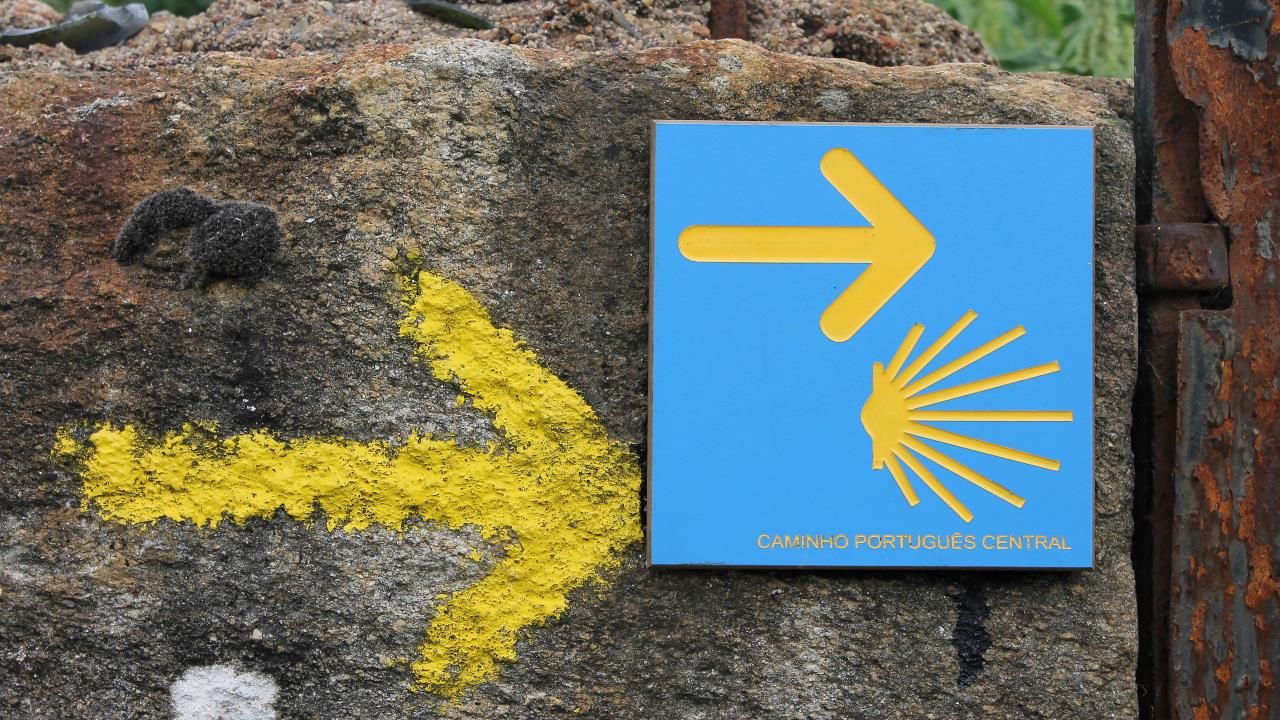
Camino routes use yellow arrows, scallop-shell symbols, milestones, and local signs. Marking style and frequency vary by region. Ultreya Tours also provides the navigation resources confirmed for the journey, which may include a guidebook and custom Google map.
Use these tools together. A digital line is helpful, but it should not replace awareness of current signs, surroundings, weather, or a temporary local diversion. Keep enough phone battery for navigation and communication. At ambiguous junctions, pause and confirm rather than continuing rapidly in the hope that the route will become obvious.
Self-guided does not mean walking in isolation. On popular sections, other pilgrims may be nearby; on quieter routes, long intervals may pass with few encounters. Your preparation and attention remain important in either setting.
The hours between towns
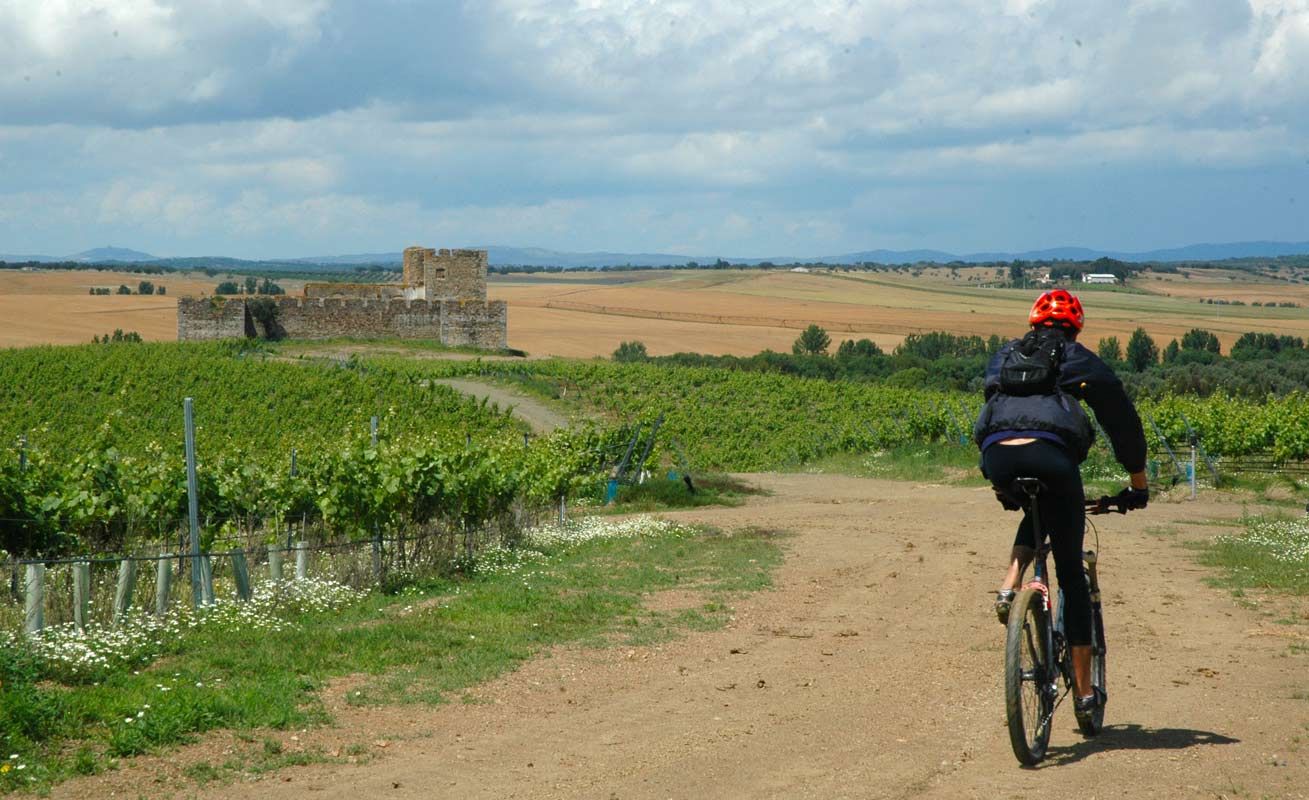
You choose when to start and where to pause. Some travelers leave early and enjoy a long afternoon at the destination. Others prefer an unhurried breakfast and stop often to photograph, visit a church, or sit in a village square. The itinerary’s distance is fixed, but the texture of the day is not. Weather can change within one stage, turning a bright departure into a wet ridge or a cool morning into an exposed afternoon.
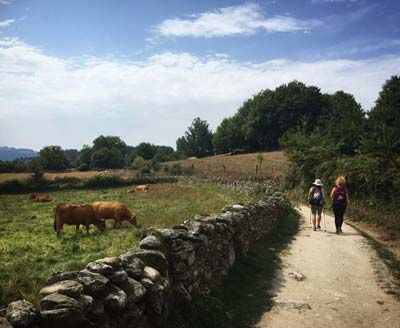
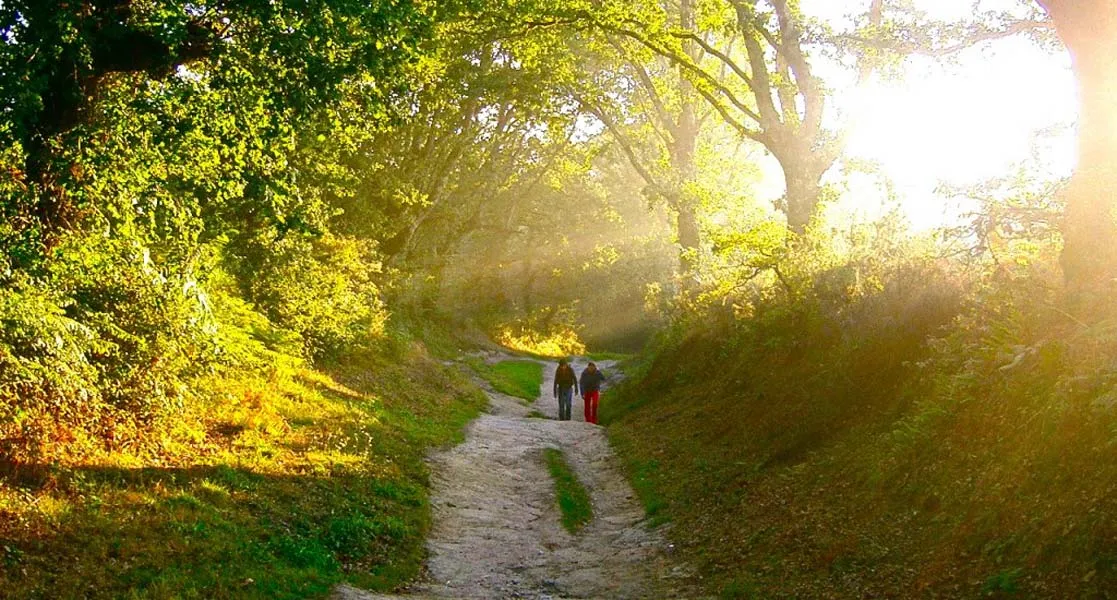
Pilgrims meet and remeet without being tied together. Couples and friends may walk side by side for an hour, separate naturally when their paces differ, and meet again at lunch or at the hotel. The final kilometers often feel unlike the morning: conversation becomes quieter, feet become more noticeable, and the destination occupies more of the mind.
Food service varies. A busy Camino town may have several cafés, while a rural stage may offer few choices or different opening hours. Check the daily information, ask locally when useful, and carry something modest when the next reliable stop is uncertain. Spain and Portugal often follow later meal schedules than international travelers expect; our guide to eating on the Camino explains the rhythm in more detail.
Maintain a pace you can repeat. The temptation to match another pilgrim can be strong, especially during an enjoyable conversation. It is perfectly reasonable to walk together for a time and then return to your own rhythm. The freedom to respond to your body, weather, and interests is one of the advantages of a self-guided journey.
Arrival at the next accommodation
At the end of the stage, follow your map or voucher to the confirmed hotel. If the property is away from the walkable route and a transfer has been arranged, the daily instructions explain the meeting point and whether you need to call ahead.
Reservations are made under the traveler name shown in the vouchers. Provide that name at reception. On an early arrival, the room may not yet be ready even though the reservation is in order; reception can explain its luggage arrangements while you have lunch or look around town. If a transferred bag has not arrived as expected, or another organizational issue arises, use the provided assistance contacts rather than trying to coordinate every supplier yourself.
The evening is for recovery and place. Shower, care for feet or cycling equipment, eat, explore if energy allows, and prepare lightly for tomorrow. It can be tempting to spend the whole evening analyzing the next stage. Usually, a calm review of distance, weather, key instructions, and departure needs is enough.
Support without a shadow
During the tour, travelers have the journey-assistance contacts stated in their documents, including the WhatsApp emergency hotline for emergencies during the Camino. They can also email or call their Camino planner when assistance is needed during the tour. For urgent medical, police, fire, or rescue situations, contact the appropriate emergency service first.
This support is not continuous monitoring, a permanent vehicle following every traveler, or a promise that every message receives an instant response. It is a practical line back to the people coordinating the journey when a genuine problem affects the arrangements.
A self-guided day succeeds because enough has been prepared for you to be present. The room is expected at the end, the bag moves ahead, and the route is explained. Between those points, the Camino belongs to your own feet, attention, and pace.