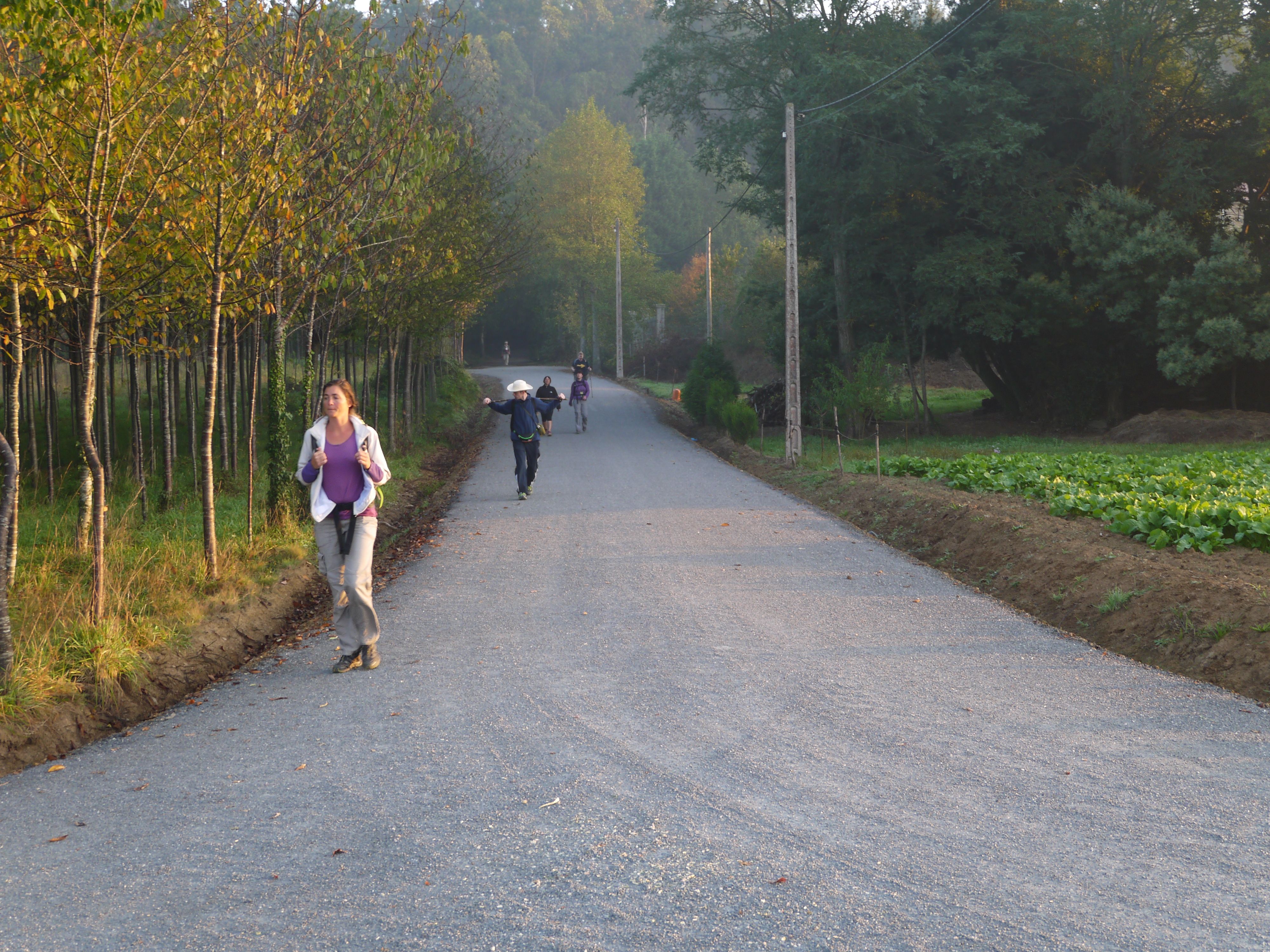
The Camino gives you something increasingly rare: several days in which the main task is simply to walk forward. Mornings begin with a marked path, the landscape changes at walking pace, and conversations arise without an appointment or an agenda. That rhythm can bring calm, renewed confidence and the mental space to see familiar questions differently.
Many people walk during an important change in their lives: retirement, bereavement, recovery from illness, the end of a relationship or a decision that has waited too long. Others arrive happy and curious, ready for a week outdoors. Research into long-distance walking and the Camino has found improvements in reported wellbeing, mindfulness and psychological distress. Pilgrims often describe the same benefits in simpler terms: better sleep, clearer thoughts, companionship and the satisfaction of completing each day on foot.
Why walking can make room for thought
A normal stage removes many small decisions. The arrows show the direction, the next hotel is arranged and the immediate task is to keep walking. Hours are measured by villages, coffee stops and the condition of one’s feet. That simpler rhythm can make thoughts easier to hear.
You do not need a formal meditation practice. Try walking for ten minutes without headphones. Notice the contact of each foot, the sound nearby and the change in your breathing on a hill. When attention wanders, return it to what is physically present. On another day, choose one question and let it accompany you without demanding an answer before lunch.
Some people keep a small notebook and write for five minutes after the stage. A useful entry can be very plain: what occupied my mind today; what gave me energy; what felt difficult; who did I speak to? The record often becomes more revealing than an ambitious daily diary.
Faith and the space to practise it
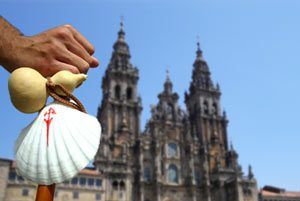
The Camino is a Christian pilgrimage with a living religious tradition. Pilgrim Masses, church bells, roadside crosses and the final arrival at the Cathedral give a practicing Christian many opportunities for prayer. A priest, parish group or individual traveler may want the daily walk itself to follow a prayer intention.
People of other faiths and people with no religion also use the quiet of the route for reflection. Nobody needs to manufacture a spiritual revelation. Churches can be entered respectfully for prayer, architecture, history or a few minutes of silence. Our separate guide explains faith and religious participation on the Camino.
Working through a personal issue
Walking can give a problem uninterrupted attention, but repetition can also turn reflection into rumination. Set limits when the same thought circles without producing anything new. Call someone you trust, listen to music for a while, join another pilgrim for coffee or bring your attention back to the route.
For an important decision, use the Camino to notice what keeps returning to mind. Write down what becomes clear, sleep on it and read the notes again after coming home. The distance from everyday routines can reveal priorities that were difficult to see before.
If you already work with a therapist or clinician, discuss the journey beforehand when appropriate. Agree how you would contact them, carry medication in your hand luggage and bring enough for the full trip plus a sensible reserve. Do not change treatment because a few good days on the Camino feel powerful.
Will I be lonely?
Solitude and loneliness are different. A quiet morning can be welcome; an empty hotel room after a difficult day can feel unexpectedly long. Self-guided travel allows you to decide how much company you want, although the route, month and starting point affect how many walkers you meet.
Conversation usually begins with easy questions: Where did you start? How are your feet? Where are you from? Walking side by side removes the pressure of constant eye contact, so serious subjects sometimes arise quickly. You can accept the company for one village, a whole stage or several days. You can also say that you would like to walk quietly.
If you want regular contact, start after breakfast when other walkers are leaving, pause in pilgrim cafés and avoid eating every dinner alone. Message home before an isolated section rather than waiting until you already feel low. Our article on making friends on the Camino explains the social rhythm in more detail.
Looking after yourself on a difficult day
Poor sleep, heat, hunger, pain and several wet days can change a person’s mood sharply. Start with the physical cause: eat, drink, rest, treat the painful foot and shorten the stage when needed. A transfer or rest day can restore the pleasure of the journey and leave you ready for the next walk.
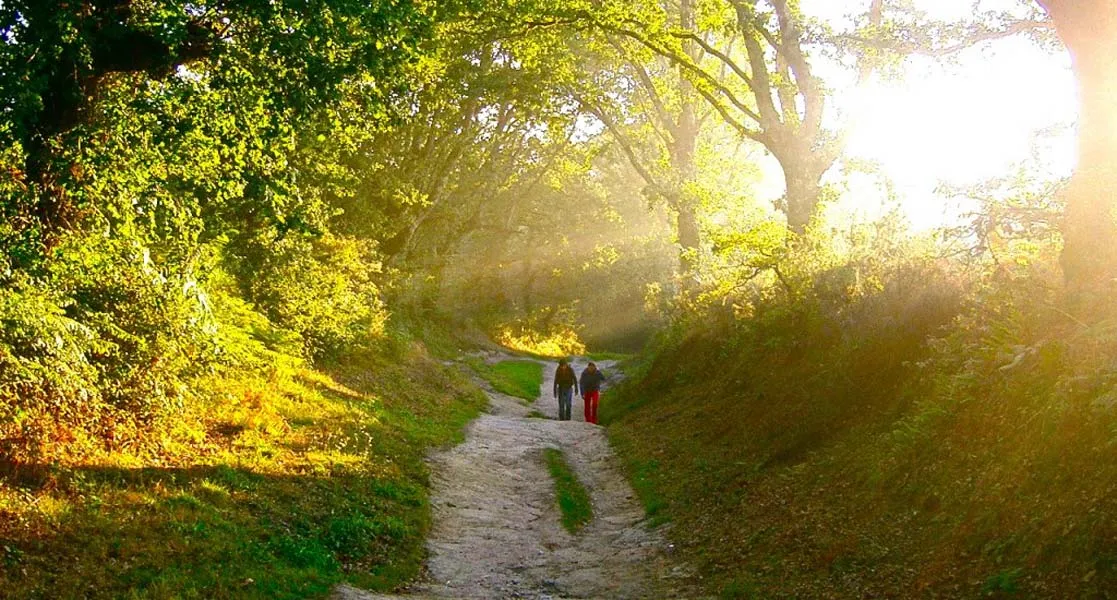
The Camino offers quiet, faith, conversation and distance from a familiar routine. Some of its best moments are wonderfully ordinary: morning light through woodland, an unexpected conversation over coffee, a church standing open or the first view of Santiago’s towers. These moments accumulate, and many travelers return home feeling stronger, rested and more attentive to what matters to them.
If a gentler pace, private transfers or rest days would give you more time to reflect and enjoy the route, tell us when you start planning your Camino. We can build that space into the journey from the beginning.