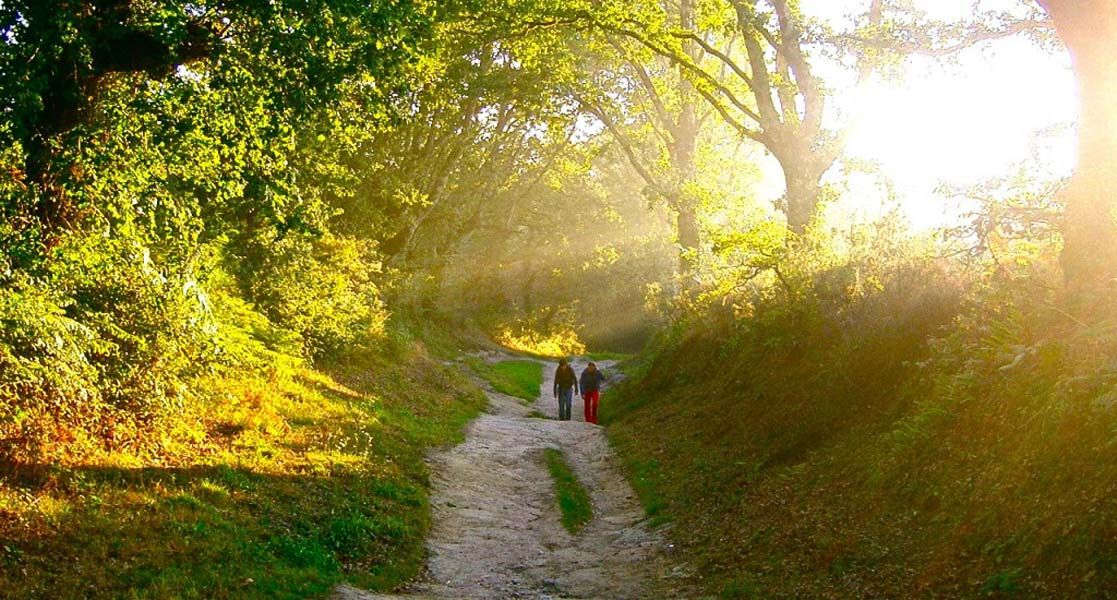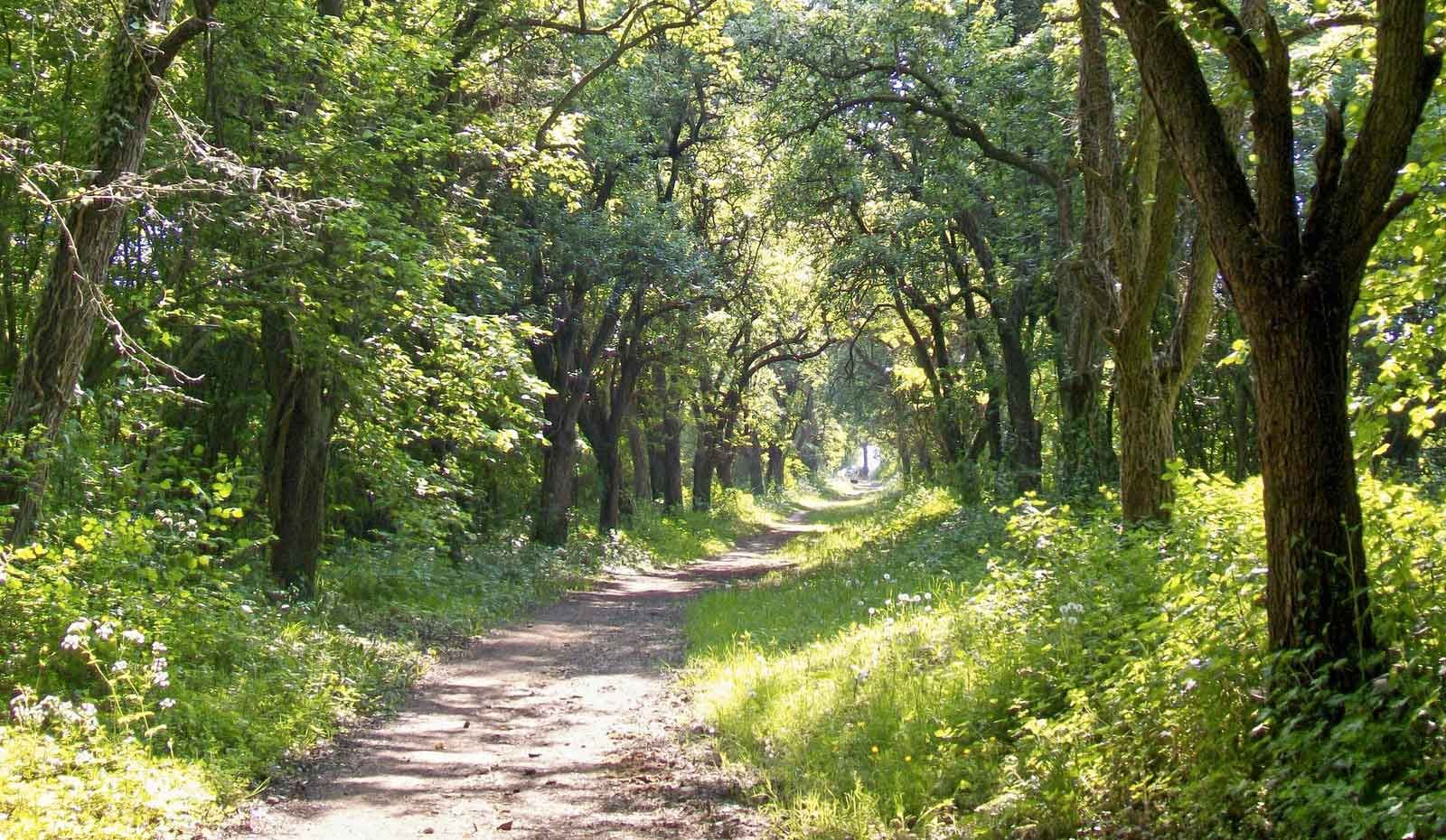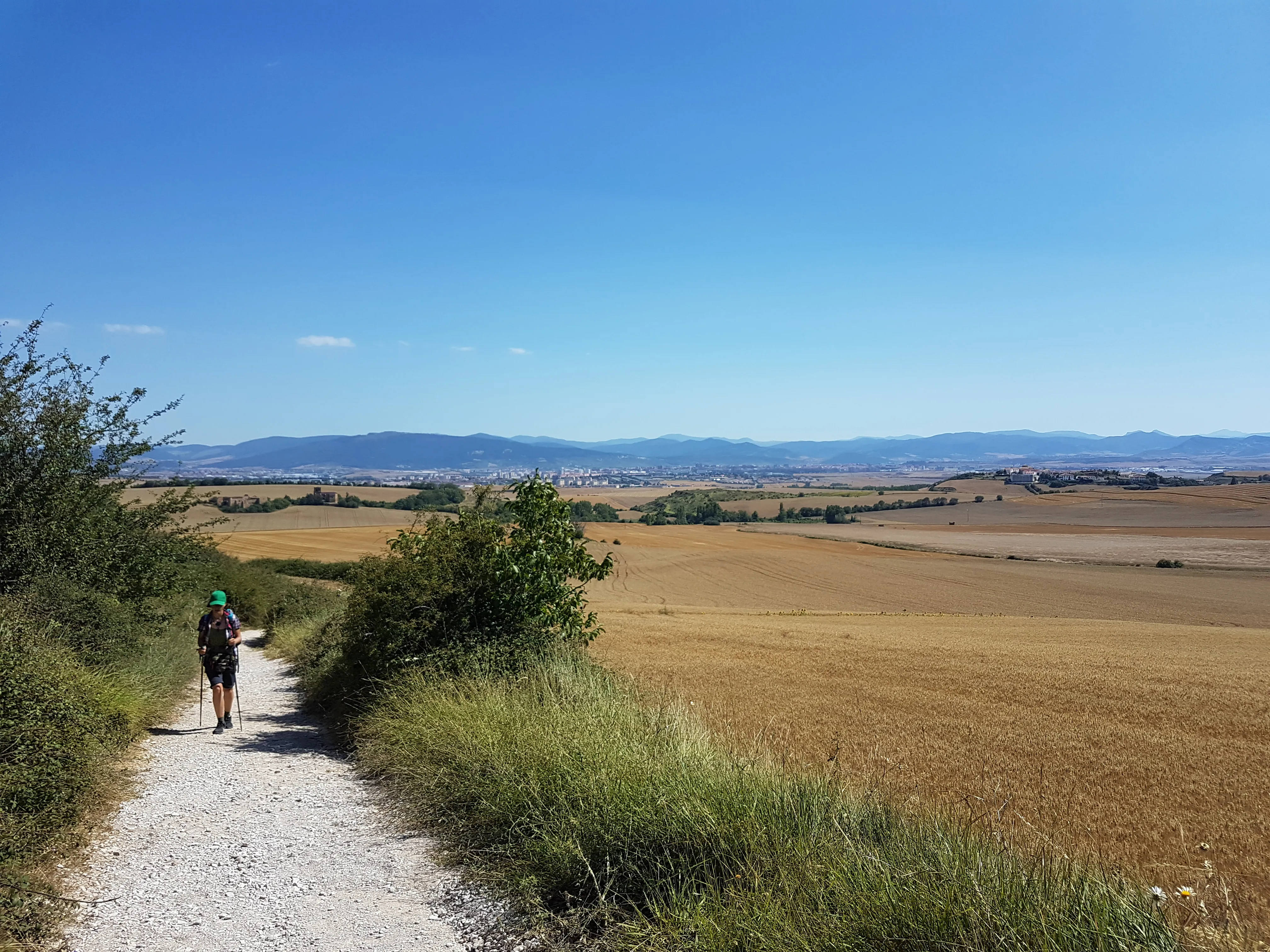
The Camino already supplies the basic ingredients for mindfulness: repeated movement, changing weather, long views and enough time to notice them. A formal retreat is unnecessary. Choose one exercise for part of a stage and stop if concentrating on it would distract from traffic, navigation or rough ground.
Ten minutes of silent walking
Put away headphones and begin with the physical contact of the feet. Notice heel, sole and toes without trying to improve the stride. Move attention to the hands, jaw and shoulders. If one area is unnecessarily tight, release it.
Then listen. Identify the nearest sound and the furthest sound you can hear. Let thoughts continue without following each one. When attention drifts into plans or memories, return to the next footstep. Ten minutes is enough; check the route and surroundings normally throughout.
Count twenty breaths on an easy section
On a level, safe path, count each complete breath from one to twenty. Do not alter the breathing to match the pace. Begin again whenever you lose the count. The restarting is the exercise, so there is nothing to fail.
Avoid breath counting on a steep climb, in high heat or whenever breathing feels strained. At those times, slow down and attend to the body’s practical needs.
Walk one village with the senses
As you enter a village, notice five things you can see, four sounds, three physical sensations and two smells. Finish with one detail you would like to remember. It might be washing over a balcony, bread from a bakery, a carved doorway or cold air inside a church.
This interrupts the habit of treating every settlement as a water stop on the way to the day’s destination. It also produces better memories than taking photographs without looking carefully first.
Use a climb in small units
Looking repeatedly at the summit can make a long climb feel worse. Choose a visible marker nearby: the next bend, tree or patch of shade. Walk to it with attention on a steady effort. Pause briefly if needed, then choose the next marker.
Check the body at each point. Are the hands gripping the poles? Are the shoulders lifting? Is the pace still sustainable? The exercise keeps attention with the section actually being walked and catches strain early.
Sit quietly in a church
When a church is open, sit for five minutes before reading signs or photographing the building. Notice the change in temperature, light and acoustics. A Christian pilgrim may use the time for prayer. Another visitor can sit in silence and observe the space while respecting anyone worshipping nearby.
Choose one object afterwards and look at it properly: a capital, worn floor stone, side chapel or painted saint. Read about it only after forming your own questions.
Eat the first five bites without a phone
Place the phone away and look at the meal. Notice temperature, texture and seasoning during the first five bites. This is particularly useful when fatigue makes it easy to eat too quickly. It also gives the body time to register hunger and thirst accurately.
If eating with other pilgrims, attention to the conversation can be the practice. Listen through the end of another person’s sentence rather than preparing your own story.
Close the stage before planning tomorrow
After showering and dealing with wet clothes or sore feet, sit for a few minutes without opening the next route profile. Write four short lines:
- What did I notice today?
- When did I feel hurried?
- What helped?
- What does my body need this evening?
Answer literally. “Dry socks” or “an earlier dinner” is as valid as a large insight. Then check the following day’s arrangements and let planning remain practical.
When silence is unhelpful
Mindfulness can make thoughts and feelings more noticeable. If silence is increasing panic, distress or repetitive thinking, change the activity. Walk with someone, phone a trusted person, listen to familiar music or concentrate on navigation and surroundings. The Camino does not require prolonged solitude.
Our guide to mental health and personal reflection on the Camino covers loneliness, existing treatment and support in more detail. A route with shorter stages also leaves more room to pause without turning every exercise into another task to finish.