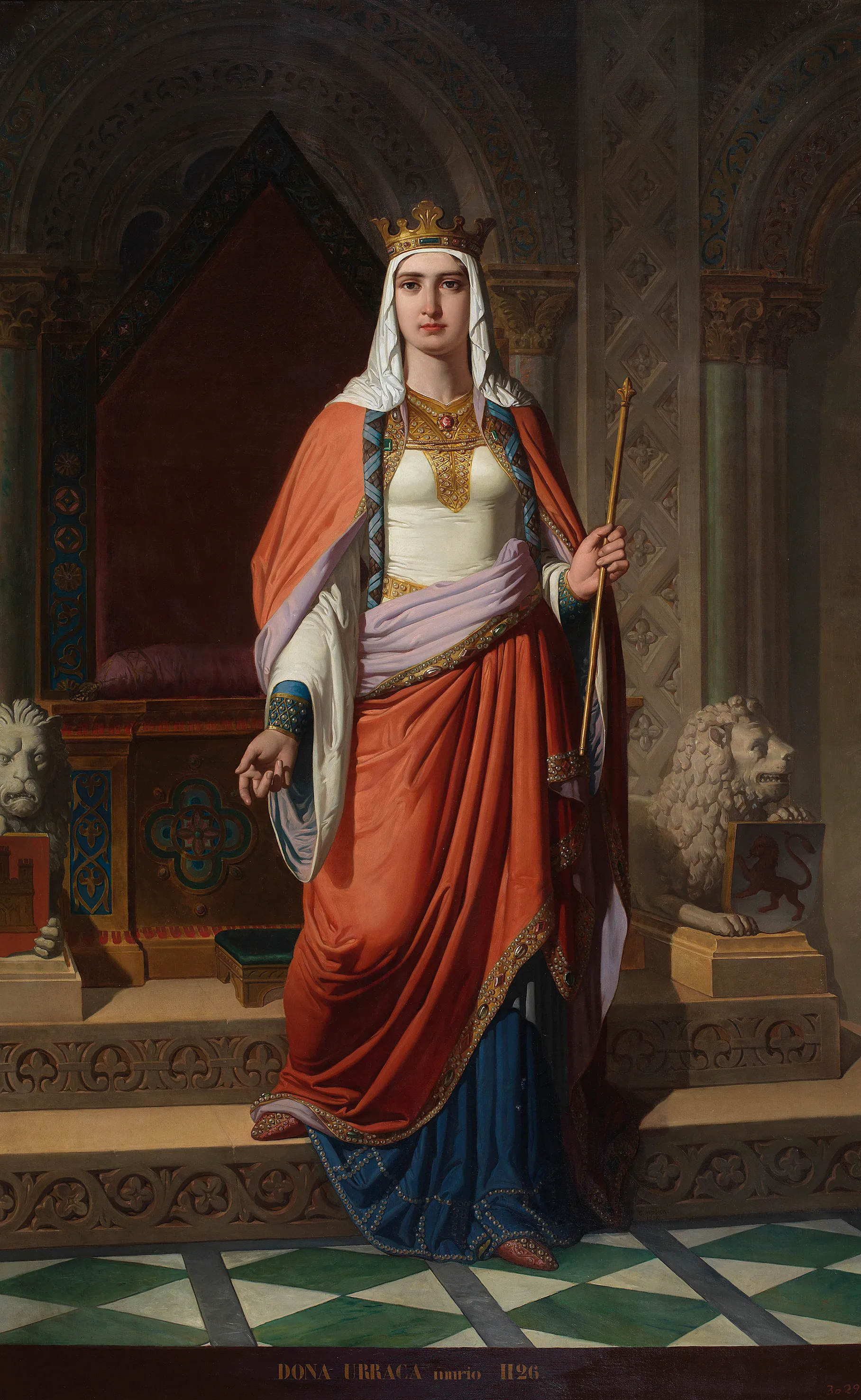
Urraca of León and Castile inherited her kingdoms in 1109. She was a widow, a mother and the first woman in medieval Iberia to rule such extensive territories in her own right. Her reign was not ceremonial. She issued charters, negotiated with bishops and nobles, commanded loyalty and survived repeated attempts to replace her.
Her second marriage, to Alfonso I of Aragón, was intended to strengthen Christian kingdoms. It produced conflict instead. The spouses fought each other, aristocratic factions shifted sides, and supporters of Urraca’s young son Alfonso Raimúndez promoted his claims in Galicia. Archbishop Diego Gelmírez of Santiago was an ally at some moments and an opponent at others.
Chroniclers often judged Urraca through expectations applied differently to male rulers. Accusations about sexuality, temperament and disorder became tools for explaining a politically difficult reign. Reading the documents closely reveals a monarch governing under extraordinary pressure until her death in 1126.
Women’s authority beyond the throne
Royal women exercised power through property and patronage. Urraca’s daughter-in-law, Berenguela of Barcelona, supported religious institutions. Later, Queen Leonor of England, wife of Alfonso VIII, helped found Las Huelgas outside Burgos in 1187. Its abbess acquired civil, criminal and ecclesiastical jurisdiction over a wide territory and answered directly to the pope.
Noblewomen endowed hospitals, monasteries and bridges. Widows could manage estates and commission tombs. Religious women governed communities whose land and hospitality affected the Camino. Their influence is often recorded in donations rather than battle narratives, but it shaped where travelers slept and worshipped.
Places to read this history
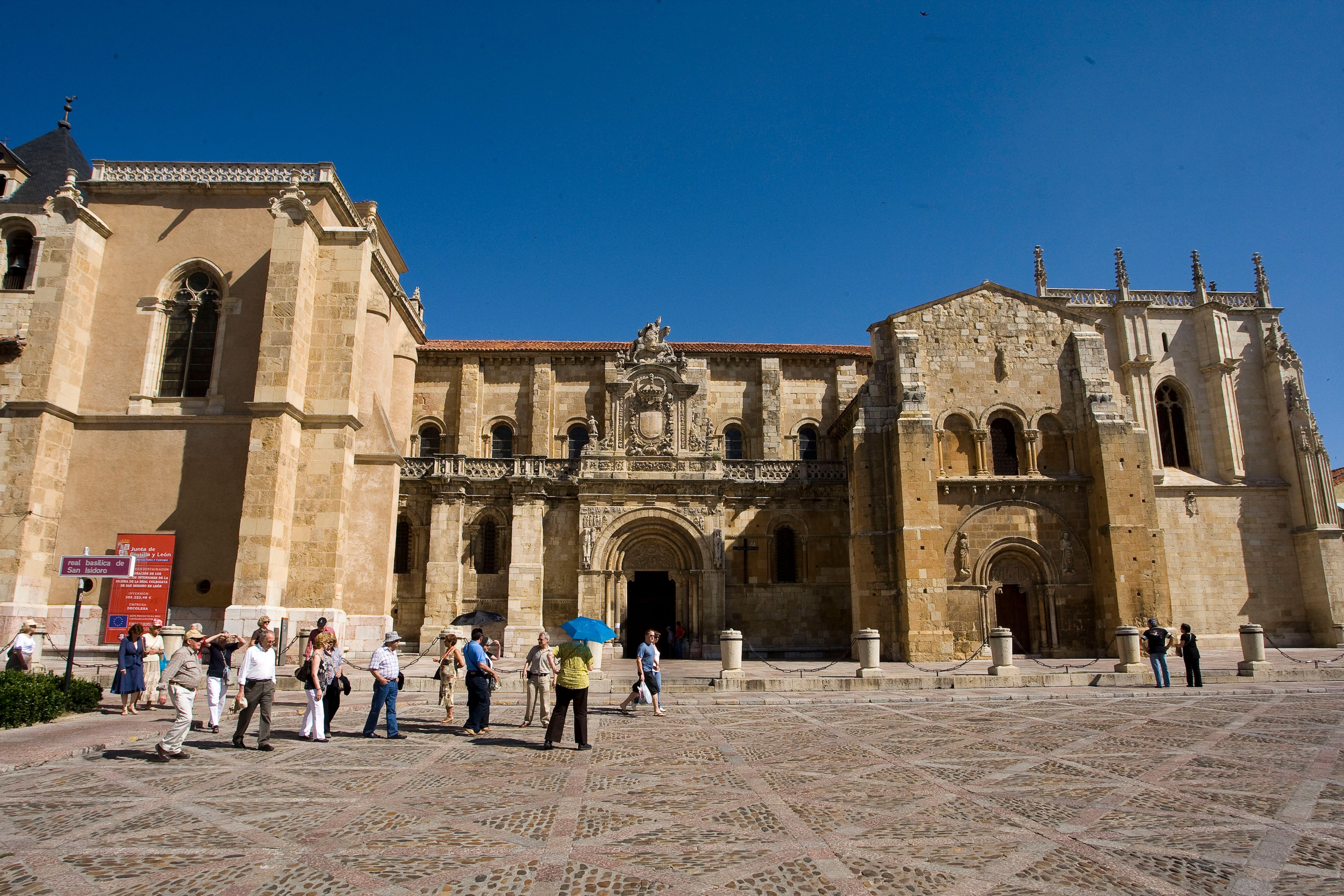
In León, San Isidoro preserves the royal pantheon and the political setting of the Leonese monarchy. In Santiago, the Pazo de Xelmírez evokes the archbishop who negotiated with Urraca’s court. At Burgos, Las Huelgas makes female institutional authority physically visible through royal tombs, textiles and monastic architecture.
Urraca’s reign was violent because medieval succession and territorial rule were violent. Describing that disorder as evidence that a woman could not rule repeats the argument of her enemies. Her achievement was not creating stability from nothing; it was remaining queen when powerful men repeatedly expected her to disappear.
León, Burgos and Santiago anchor our long French Way itineraries. A private guide can connect their royal buildings with Urraca and the other women whose patronage shaped the route.