León began as a Roman military base. Its name derives from legio, and fragments of the Roman walls still shape the centre. For Camino walkers, two medieval monuments deserve more than a quick photograph: the Cathedral and the Royal Collegiate Church of San Isidoro.
The Cathedral of light
The present Cathedral was begun in the thirteenth century on earlier Roman and religious structures. Its design adopted French Gothic ideas: pointed arches, ribbed vaults and flying buttresses carry structural forces outward, allowing walls to open into vast fields of glass.
Around 1,800 square metres of stained glass survive across windows made and restored in different periods. Biblical figures share space with heraldry, plants, trades and secular subjects. Morning and evening light alter which parts of the building dominate. A full circuit inside is far more revealing than viewing the western façade alone.
Water and unstable foundations caused recurring structural problems. Nineteenth-century restoration dismantled and rebuilt important sections, helping preserve the Cathedral while also shaping the building visitors see today.
San Isidoro and the royal pantheon
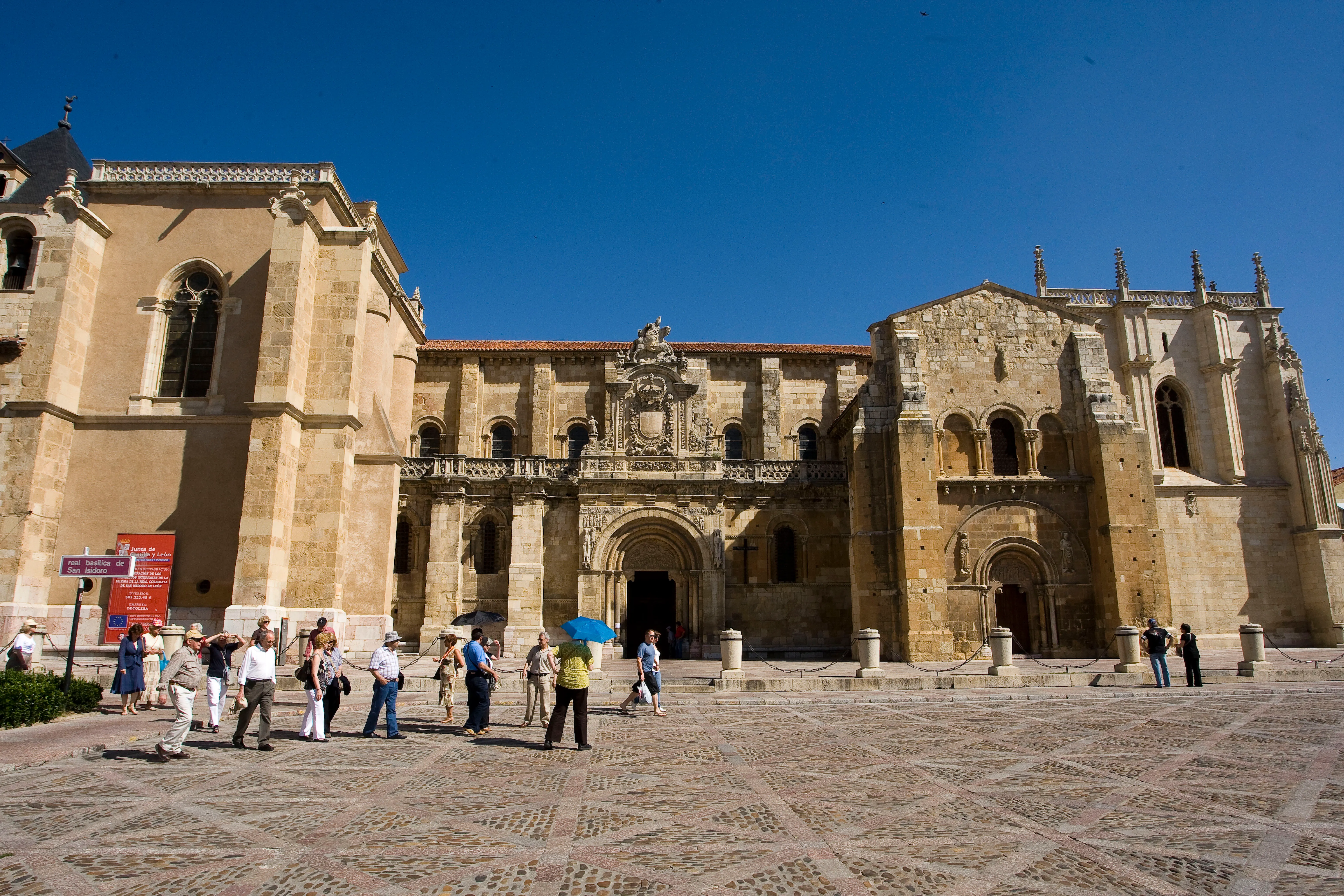
San Isidoro developed beside the Roman wall as a royal and religious complex. Fernando I and Queen Sancha brought the relics of Saint Isidore of Seville to León in 1063. Royal patronage enriched the church, treasury, monastery and burial space.
The Pantheon of the Kings contains extraordinary Romanesque paintings. Christ in Majesty, Gospel scenes, months and agricultural labours cover the vaults. Calling it the “Romanesque Sistine Chapel” is convenient publicity; the paintings deserve to be read within their own eleventh- and twelfth-century royal setting.
The treasury contains ivory boxes, precious metalwork, textiles and manuscripts. The 1059 ivory reliquary commissioned by Fernando and Sancha belongs to a sophisticated León workshop. These objects show the kingdom’s links with Islamic Iberia, northern Europe and the Mediterranean.
The Chalice of Doña Urraca
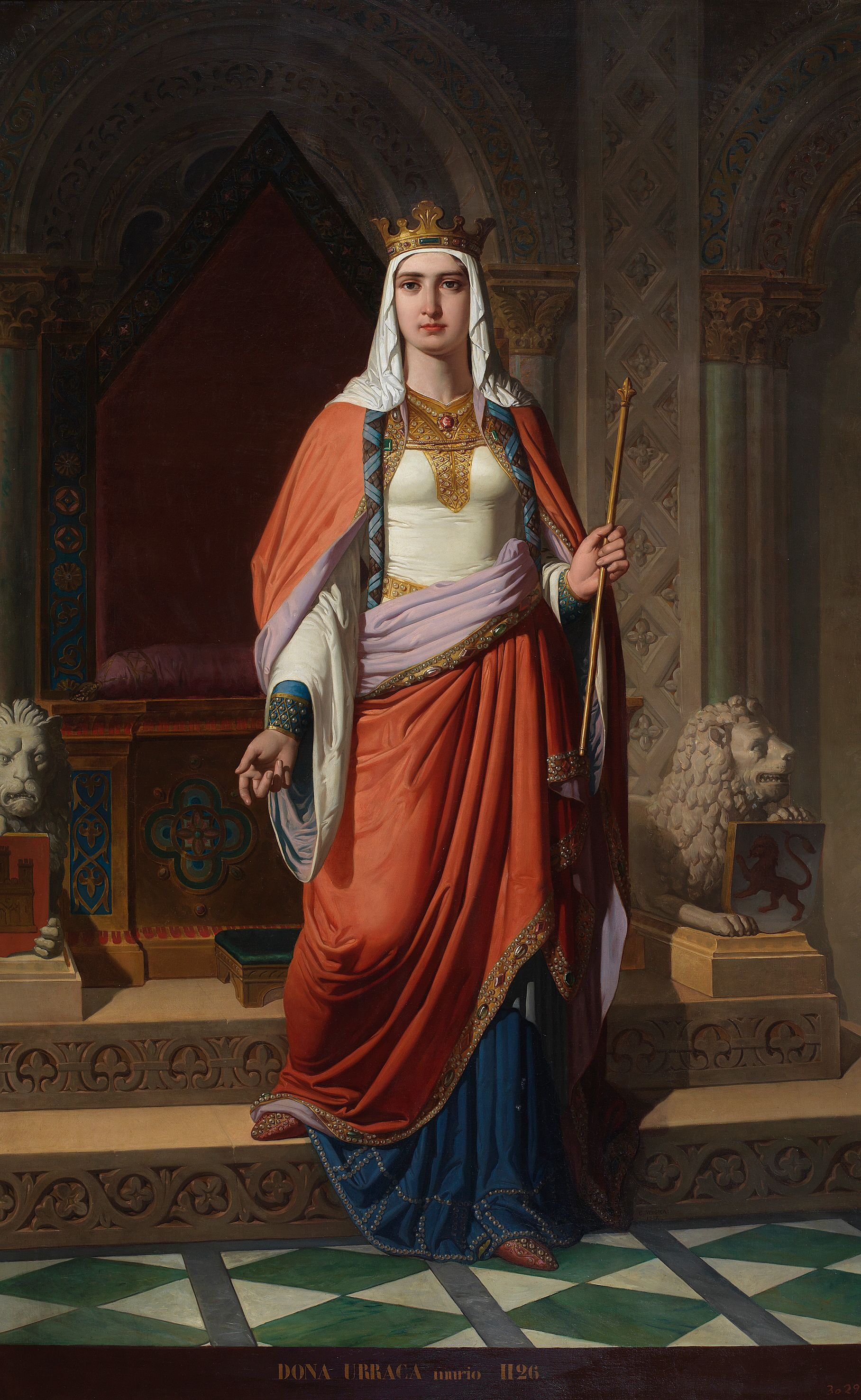
The chalice combines two ancient agate vessels with gold, filigree, pearls and gemstones added under the patronage of Doña Urraca, daughter of Fernando I and Sancha. Its inscription names her as donor.
In 2014, researchers Margarita Torres and José Miguel Ortega argued that the agate cup was the vessel revered in early medieval Egypt as Christ’s cup from the Last Supper, later sent through diplomatic exchange to León. Their book generated enormous attention and the museum created a dedicated display.
The identification is disputed. The medieval route proposed for the cup depends on documents and interpretations that have not produced scholarly consensus. The chalice is an authentic and exceptional eleventh-century royal object regardless of whether it can be called the Holy Grail.
Planning the visit
The Cathedral and San Isidoro have separate tickets and schedules. San Isidoro’s museum visit is essential for the pantheon and treasury; entering the basilica alone does not show the complete collection.
León is both an overnight city and the beginning of our French Way section to Ponferrada. We recommend an extra night when the Cathedral, San Isidoro and the Roman city are priorities.