Pilgrimage towns were commercial towns. Their residents included Jewish communities whose taxes, crafts, medicine, scholarship and trade formed part of urban life. Conditions varied by kingdom and decade. Periods of royal protection alternated with special taxation, segregation, violence, forced conversion and finally expulsion in 1492.
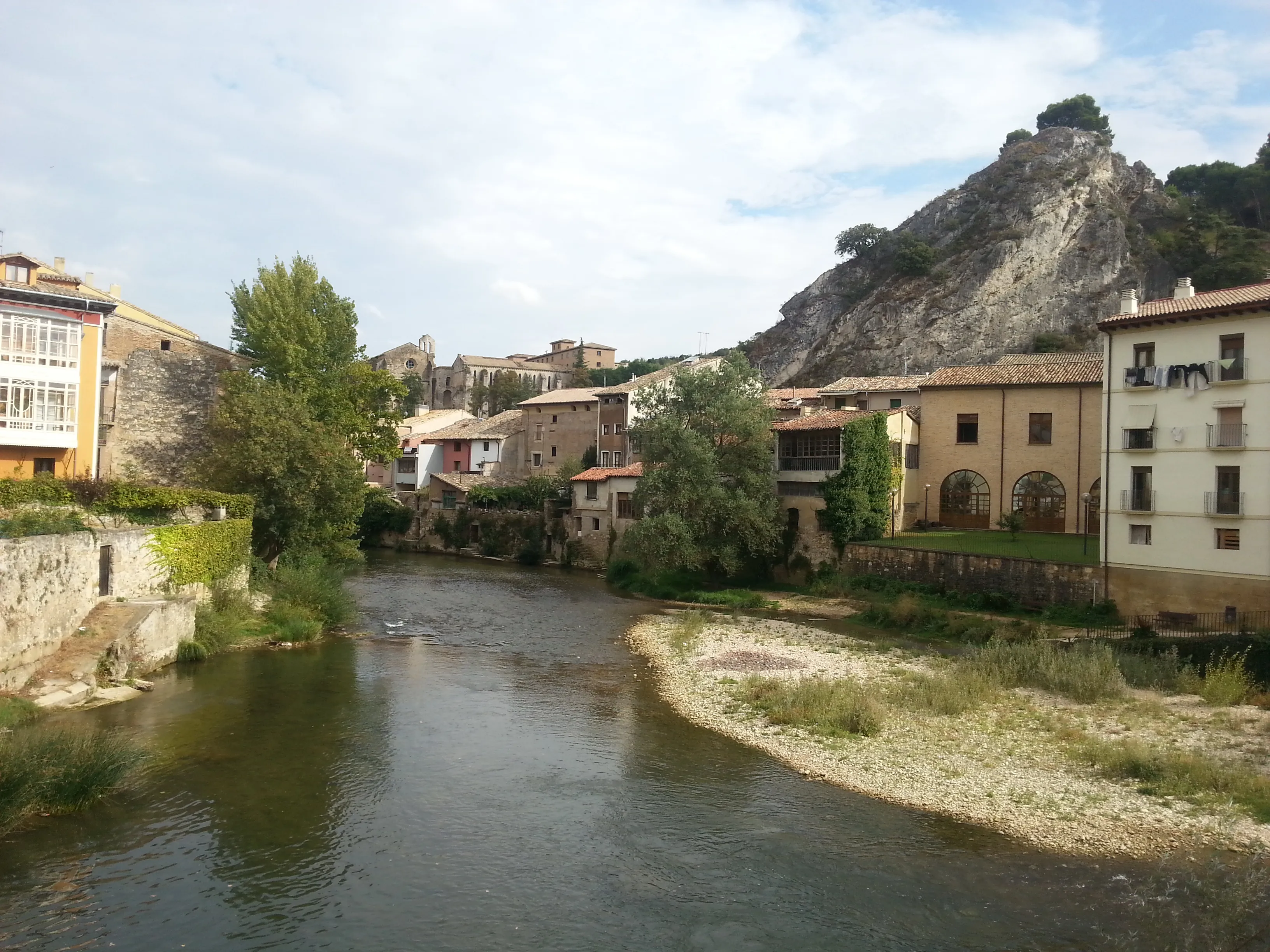
Estella-Lizarra had successive Jewish quarters close to the castle and town walls. Its location on the Navarrese Camino encouraged trade. Archaeological traces are limited, so street topography and documents carry much of the history.
In Nájera, Jewish residents lived in a royal and commercial centre tied to the route between the Ebro and Castile. The old judería changed substantially over the centuries, and many of its buildings disappeared or acquired new uses.
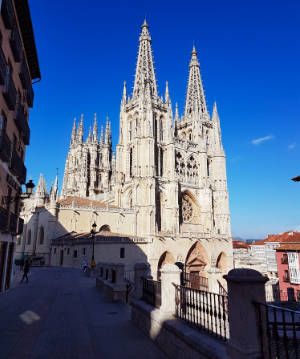
Burgos supported one of Castile’s important aljamas. Jewish financiers, physicians, artisans and merchants served the city and royal administration. The community suffered growing pressure and violence in the later Middle Ages. Few unmistakable buildings survive, despite the scale of the documented population.
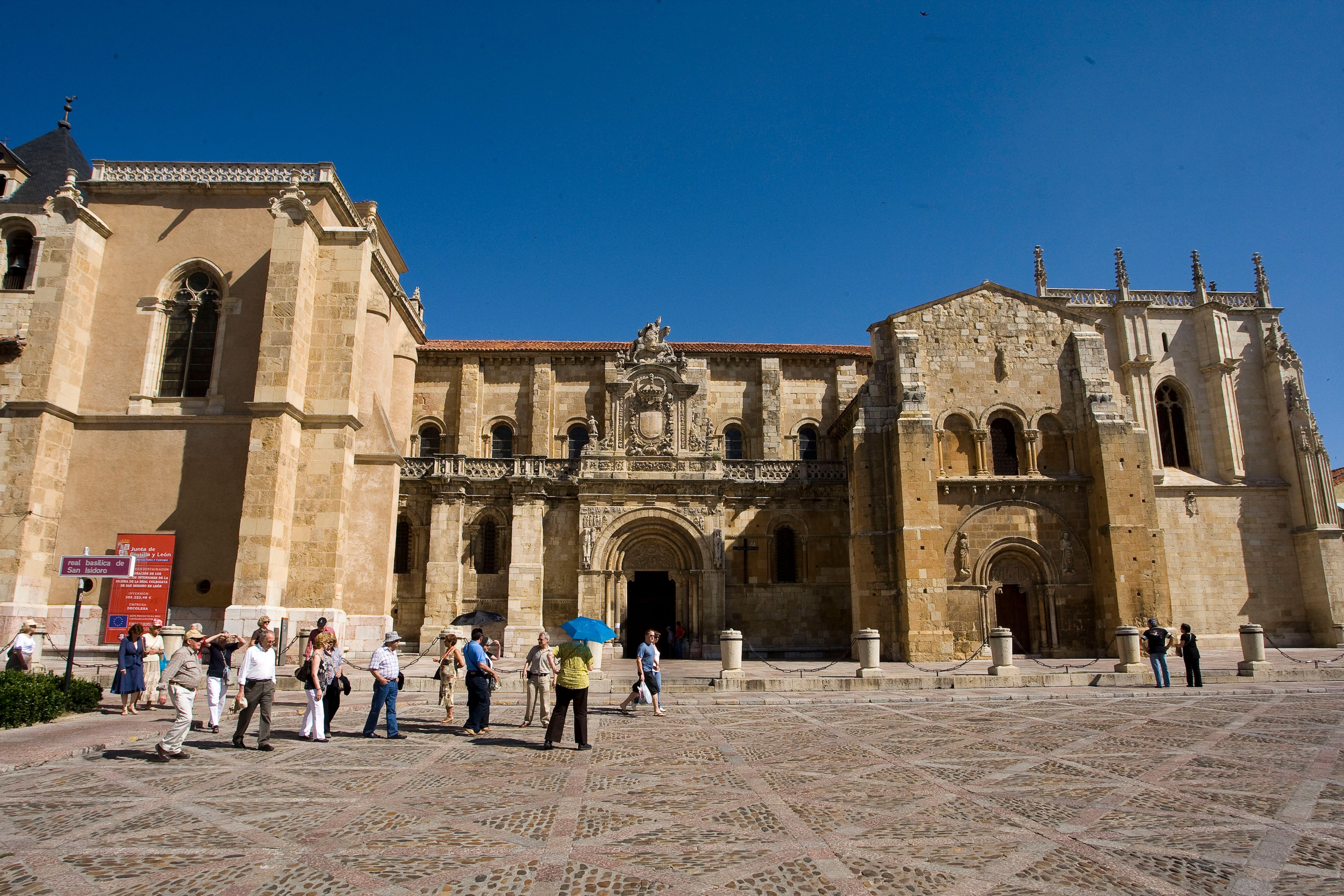
At León, the earliest settlement lay at Puente Castro, known as Castrum Iudeorum. It was destroyed in 1196, after which the community moved inside the city near today’s Plaza Mayor, Santa Ana and Plaza del Grano. Surviving traces include old street patterns, cellars and the Portillo de los Judíos. Moses de León, associated with the Zohar, was born in the city around 1240.
Reading absence responsibly
Christian churches and monasteries dominate the visible Camino because they retained property, institutional continuity and monumental stone. Jewish absence resulted partly from destruction, conversion, reuse and expulsion. A modern plaque may therefore carry a history that architecture no longer displays.
Medieval convivencia brought exchange and daily proximity, but not equality in the modern sense. The Camino crossed a society in which Christian, Jewish and Muslim communities traded knowledge and skills while living under different laws. Those tensions eventually became catastrophic.
Local museums, archaeological centres and municipal routes provide the best evidence. Their careful language is more reliable than legends assigning every tunnel or star symbol to a vanished Jewish quarter.
Builders, workshops and the marks at Samos
Jewish artisans worked in construction and related trades in medieval Iberia, including on commissions for Christian patrons. Converted families also continued skilled work after baptism. It is therefore reasonable to look beyond the clergy and noble founders when considering who physically made a church or monastery.
At the Monastery of Samos, the head guide showed Ultreya Tours a group of masons’ marks traditionally associated with Jewish builders. They are a reminder that great Catholic institutions depended on broad networks of craftsmen, many of whom remained unnamed.
Samos can be included before Sarria on a longer French Way itinerary. Ask us to arrange the monastery visit with enough time for the cloisters, murals and local explanation of the stonework.