Travelers often ask about the grand Camino questions first and the ordinary ones later. The ordinary questions matter. Money, bathrooms, daily distance and evening clothes shape every day of the journey, so I would rather answer them before you pack.
1. What is the average cost to walk the Camino?
A simple independent Camino using pilgrim hostels can cost around €40 to €60 per person per day once accommodation and basic meals are included. Private rooms, better restaurants, luggage transfer and taxis can bring the daily total to €100 to €180 or more. Flights, trains, insurance and extra nights before or after the walk sit outside that daily budget.
Galicia’s public pilgrim hostels currently charge €10 per person, but they cannot be reserved and beds are assigned on arrival. Private accommodation varies greatly by town and season. Santiago, Oporto, Baiona and small Camino villages with limited rooms can cost much more on busy dates.
An organized Camino is a different calculation. Ultreya Tours walking journeys currently begin at €900 per person, with many week-long Classic routes starting between €1,350 and €1,620 per person for two people sharing. Those prices include confirmed accommodation, breakfast, luggage transfer, planned route transfers, travel materials and local assistance. Premium hotels, single rooms, private transportation and shorter stages add cost because they require more rooms and services.
2. How do you go to the bathroom on the Camino?
Use the bathroom at your hotel before leaving, then use toilets in cafés, restaurants, museums, visitor centers and public facilities along the route. Buy a coffee, water or snack when using a café toilet. Popular stages offer frequent stops, while remote sections may have several hours without one.
Carry tissues, hand sanitizer and a small opaque disposal bag in your daypack. If an urgent outdoor stop is unavoidable, move well away from the path, houses, water and cultivated land. Take every piece of paper, every wipe and every sanitary product with you. Toilet paper scattered beside the trail is unpleasant for residents, other pilgrims and the people who maintain the Camino.
3. How long should I walk each day in the Camino each day before I take a rest?
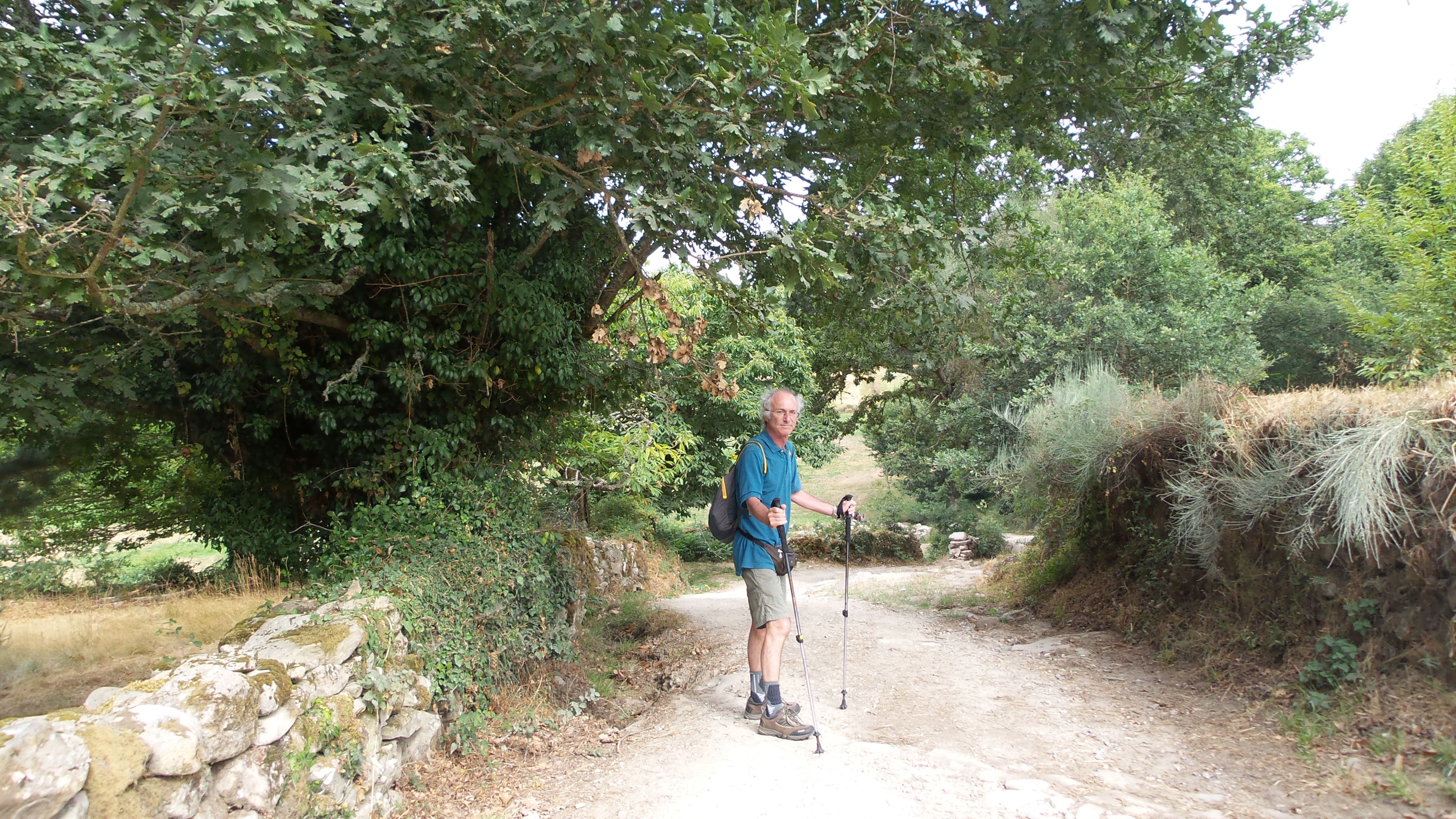
Most travelers walk for four to seven hours including café stops, photographs and a proper pause for food. They then rest overnight and continue the following morning. A one-week Camino with manageable stages rarely needs a full rest day.
For a journey of two weeks or more, an extra night after five to seven walking days can be very welcome. Logroño, Burgos, León, Pontevedra and Santiago reward the pause with historic centers, markets, museums and excellent restaurants. A rest day also lets tired feet settle before the next section.
Your training gives the clearest answer. Walk on two or three consecutive days before departure and notice when fatigue begins to accumulate. We can then place a shorter day or additional night where it improves the journey.
4. How many miles do people walk each day on the Camino?
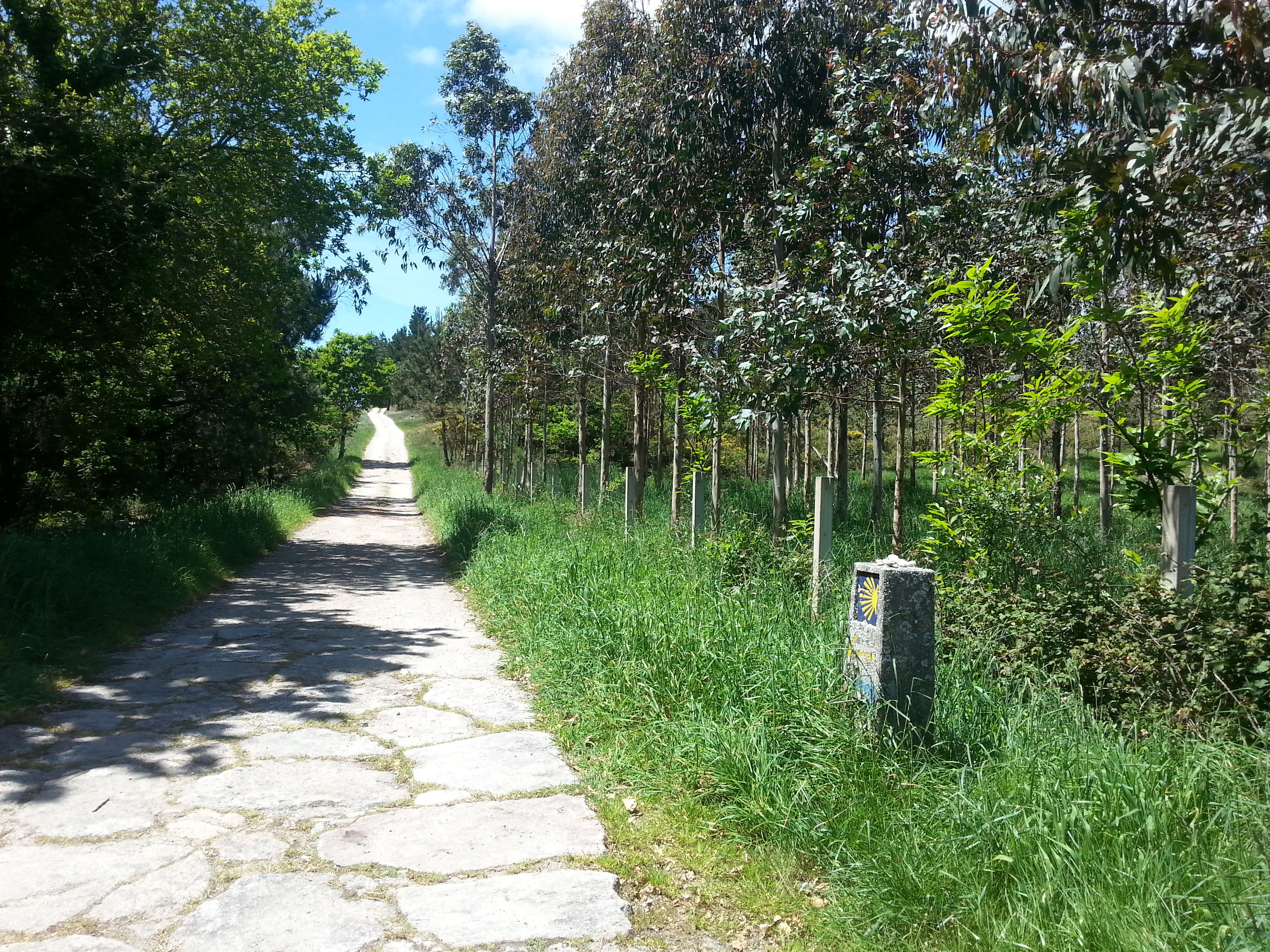
Classic walking stages usually cover 10 to 15 miles, or 16 to 24 kilometers. Some traditional stages are longer because accommodation is concentrated in particular towns. Hills, mud, heat, stone and long descents can make a shorter day feel much harder than the mileage suggests.
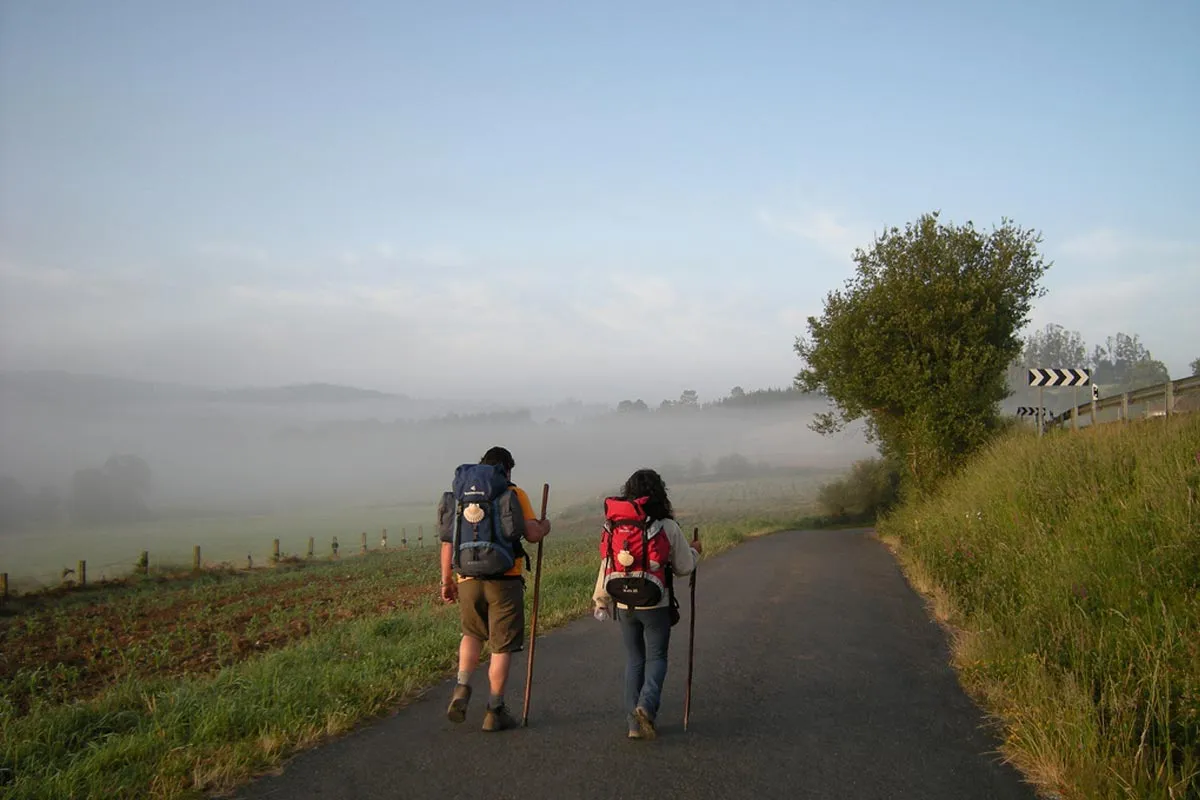
Our At Your Pace journeys often use stages of 6 to 10 miles, or 10 to 16 kilometers. Private transfers make these shorter stages possible when the best hotel is away from the point where the day’s walk ends. The right daily distance is the one you can repeat while still having enough energy to enjoy the town where you arrive.
5. What to wear in the evening on the Camino?
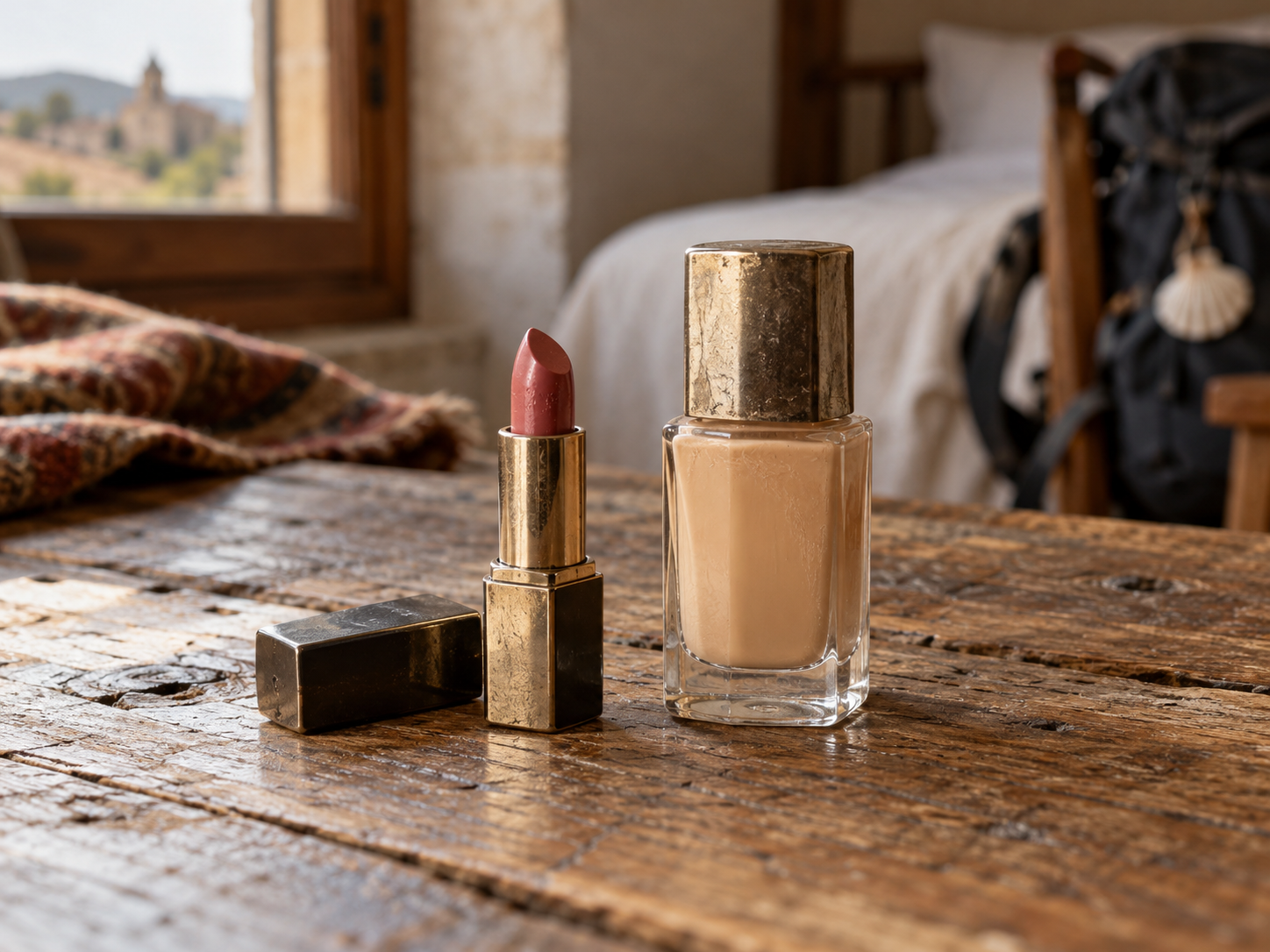
Change into dry clothes and let your walking kit and shoes air. Comfortable trousers, a dress or skirt, a clean shirt or top and a light cardigan or jacket are suitable for Camino towns, good restaurants and historic hotels. Bring sandals, loafers or lightweight trainers so your feet are not confined in walking shoes all evening.
One or two outfits are enough when luggage is transferred. Choose pieces that combine easily and do not crease badly. Galicia and northern Portugal can feel cool after sunset even when the walking day was warm, so keep one useful layer in your suitcase.
Your evening clothes do not need to prove anything about how seriously you take the Camino. Pack what lets you feel comfortable after the physical part of the day. Our complete packing list covers the rest of the luggage.