The Camino passed another symbolic threshold in 2025. The Pilgrim’s Reception Office recorded more than 530,000 arrivals during the year, after issuing its 500,000th Compostela in October. That is far above the 301,036 pilgrims recorded in 2017, when this statistical series began.
The increase is real, but the headline needs context. The Office records people who present themselves in Santiago under its procedures. It does not count every person walking or cycling every Camino section, and it cannot show how many people occupied a particular path at a particular hour.
The 2025 picture at a glance
- More than 530,000 recorded pilgrims reached the Pilgrim’s Reception Office during 2025.
- Approximately 242,000 followed the French Way, representing about 45.6% of the annual total.
- The Portuguese routes continued their strong growth, with the central and coastal families together accounting for a substantial and increasingly international share of arrivals.
- The 500,000th Compostela was issued in October, showing that the meaningful travel season extends well beyond July and August.
The totals published across summaries can differ slightly according to the date of extraction and whether a source is reporting Compostelas, registered arrivals, or provisional data. For that reason, this article uses rounded figures and links to the Office’s statistical archive rather than presenting false precision.
The French Way is still first, but its percentage is changing
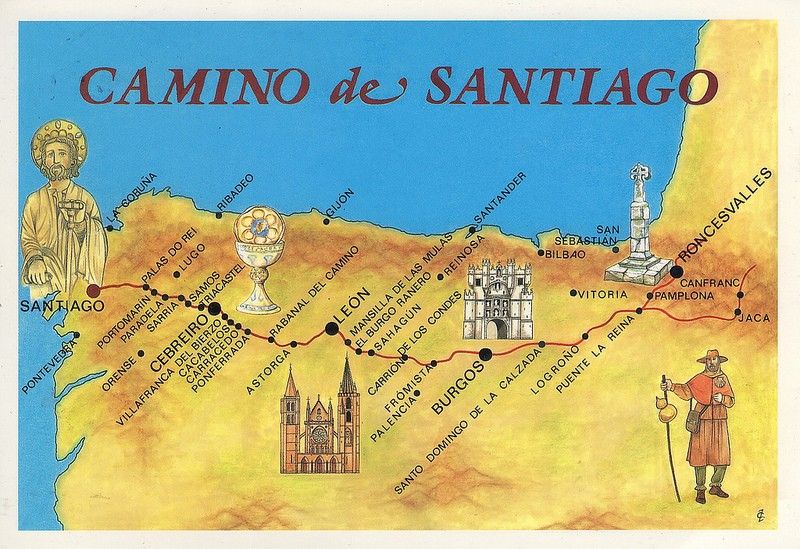
The French Way remained the most recorded route in 2025. Its roughly 242,000 pilgrims made it the clear individual leader, yet its share was below the 65.6% reported in 2015. This does not mean the French Way has become quiet. It means other routes, especially the Portuguese options, have grown faster.
The French Way total also combines very different journeys. A traveler beginning in Saint-Jean-Pied-de-Port and someone walking the final stages from Sarria both appear within the same route family. The busiest final section therefore cannot be used to describe the atmosphere across the Pyrenees, Meseta, Bierzo, and Galicia as though they were one uniform corridor.
The Portuguese routes are changing the balance
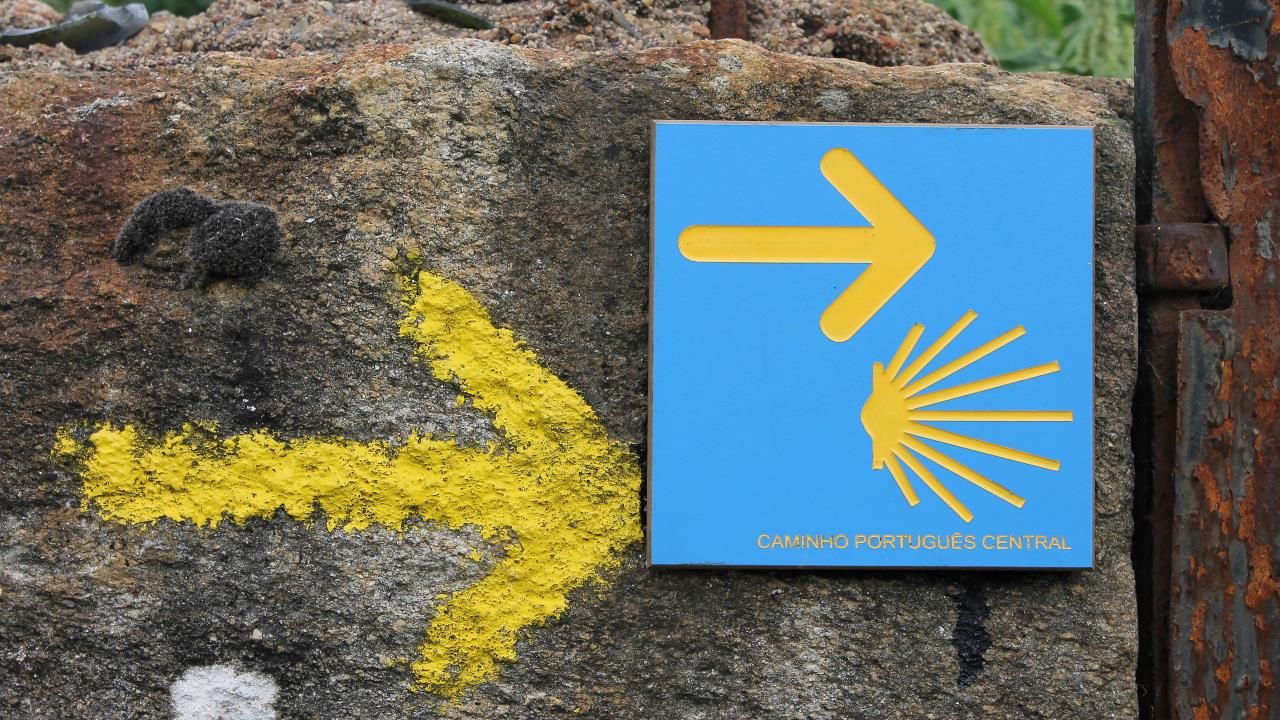
The Portuguese Way and Portuguese Coastal Way have become central to the contemporary Camino. Their growth reflects several attractions: access through Oporto and Galicia, strong cultural and food traditions, a choice between inland and Atlantic landscapes, and distances that work well for travelers with limited time.
The route labels still require care. Variants meet and separate, and the route reported at the Pilgrim Office does not always capture every choice made earlier in a journey. A traveler may also begin far before or close to the qualifying distance, so route totals are not stage-by-stage traffic counts.
What the figures cannot tell you
Annual statistics do not confirm accommodation availability. They do not reveal whether a small town has enough suitable rooms for a particular night, whether luggage capacity remains, or whether an individual traveler will experience a stage as crowded.
Nor do the figures count everyone on the Way. Some people walk only a section, continue toward Finisterre, return to a familiar route, or arrive in Santiago without applying for a Compostela. Others may qualify but choose not to visit the Office.
Weather, weekends, holidays, group departures, and the convergence of routes near Santiago can create local peaks that disappear inside an annual total. Planning should therefore consider dates, route, starting point, daily stages, and accommodations together.
How to use Camino statistics well
Use the figures to understand broad movement, not to choose a route by popularity alone. A well-known route can offer richer infrastructure, historic depth, and a strong sense of shared pilgrimage. A less-recorded route can bring quieter stages but fewer services and less flexibility.
For travel planning, ask which route, season, pace and accommodation plan will create the experience you want. Official statistics about visitor numbers provide valuable context, and a confirmed itinerary turns that perspective into a workable journey.
Starting-point data is particularly useful because it helps explain concentration. A large share of French Way arrivals beginning at or near Sarria means the final Galician stages can feel very different from earlier sections, even though both experiences sit inside one route total. The same principle applies when Portuguese variants converge: a quiet opening week does not predict the atmosphere close to Santiago.
Month also matters more than the annual ranking suggests. More than half a million arrivals spread across a year do not become one continuous crowd, and a route’s annual percentage cannot tell you how many people will leave one town on one morning. Use official numbers to understand scale and change; use dates, stage patterns, local room inventory, and personal pace to plan the actual journey.
Compare the numbers with the lived distinctions in Which Camino Is Right for You?, then review the current Camino collection without treating an open date as confirmed availability.