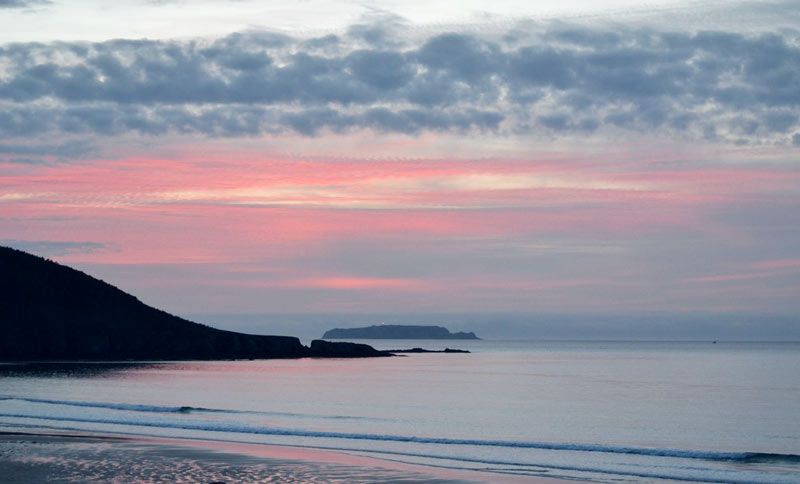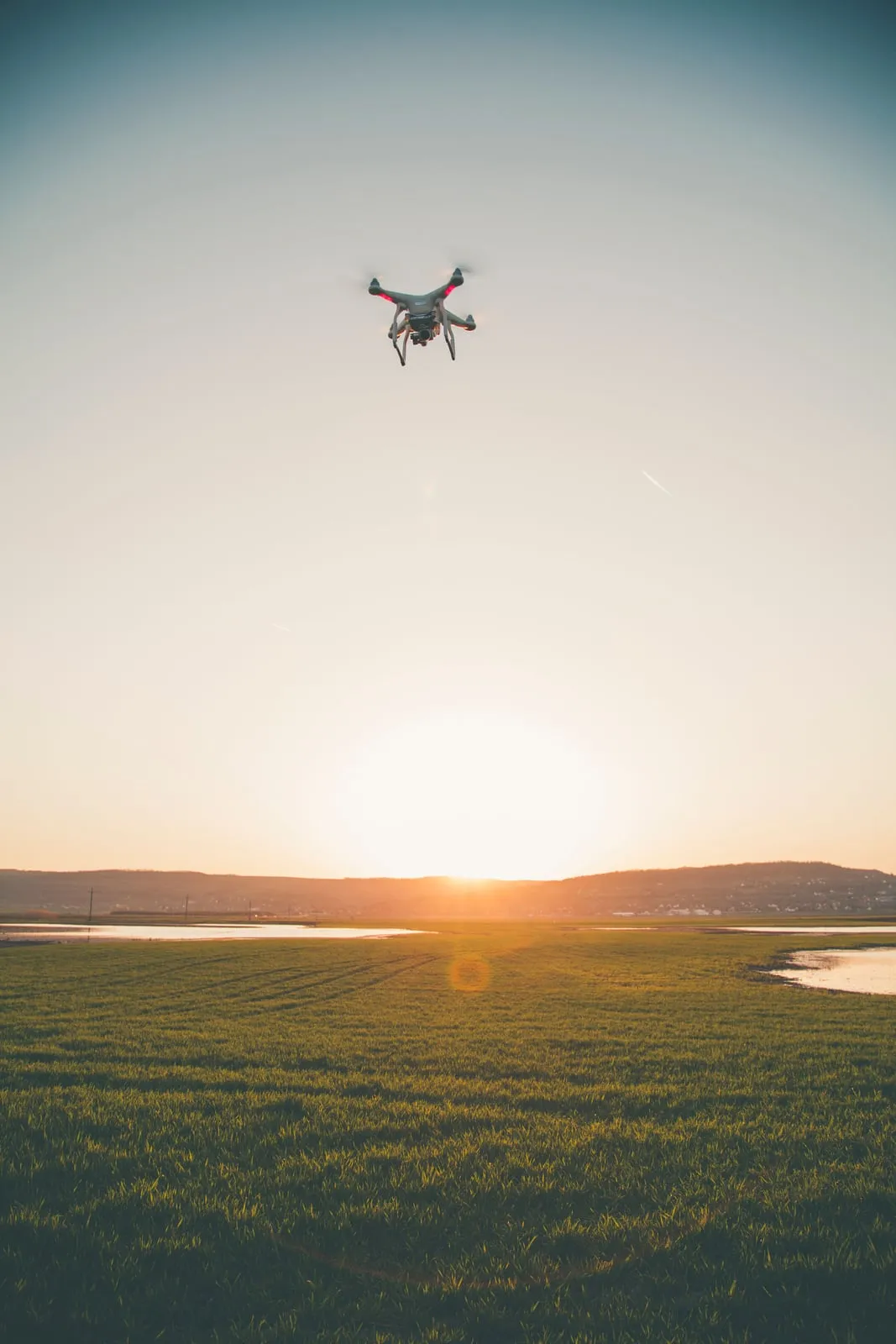
A drone can make an extraordinary record of the Camino. From above, vineyards follow the folds of a valley, medieval bridges reveal their full span and the Atlantic gives the Portuguese Coastal Way its scale.
The same drone may be unwelcome on the ground. Its high-pitched hum carries through open countryside. A camera hovering near a path can make pilgrims wonder whether they are being filmed. The same privacy and consent questions form part of responsible travel on the Camino. At a quiet or emotional place, even a short flight can change the atmosphere for everyone nearby.
Taking a drone on the Camino therefore requires more than finding room in the luggage. The pilot must understand the rules at each location and decide when a possible flight is still a poor idea.
There is no single Camino drone permit
European aviation rules provide a common framework, but each country establishes geographical zones where flights are prohibited, restricted or subject to additional conditions. Local restrictions may also protect airports, heliports, towns, infrastructure, military areas, historic sites and natural spaces.
The route matters as much as the drone. Permission to fly over one rural section does not carry forward to the next village, monument or protected landscape. A Camino beginning in France and continuing through Spain crosses national systems. The Portuguese routes may involve both Portuguese and Spanish requirements.
Registration and training
Most leisure flights fall within the European Union’s open category. An operator generally has to register when the drone weighs 250 grams or more. Registration is also normally required for a lighter drone fitted with a camera or another sensor capable of recording personal data, unless it qualifies as a toy.
Pilots living in an EASA member state register in their country of residence. A visitor who lives outside the EASA system normally registers in the first participating country where the drone will be operated. The operator number must then be displayed on the aircraft.
Training depends on the drone’s class and the type of flight. A small C0 drone carries fewer training requirements than heavier aircraft, but its size does not remove geographical restrictions, privacy obligations or the ban on flying over assemblies of people.
The basic rules in the air
In the open category, the pilot normally keeps the drone within direct sight and no higher than 120 meters from the nearest point of the ground. Flights over crowds are prohibited. The permitted distance from other people depends on the aircraft’s class and operating subcategory.
A sub-250-gram C0 drone offers the most flexibility, although flying over uninvolved people should still be avoided when possible. Larger drones may require defined separation from people or operation well away from residential and recreational areas.
These general rules do not override a geographical restriction. Before every flight in Spain, the pilot needs to examine the current location in ENAIRE Drones. In Portugal, the ANAC geographical-zone map provides the corresponding national information. The map must be checked again at the time of the proposed flight because temporary restrictions and emergency activity can change what is allowed.
Why other pilgrims may object
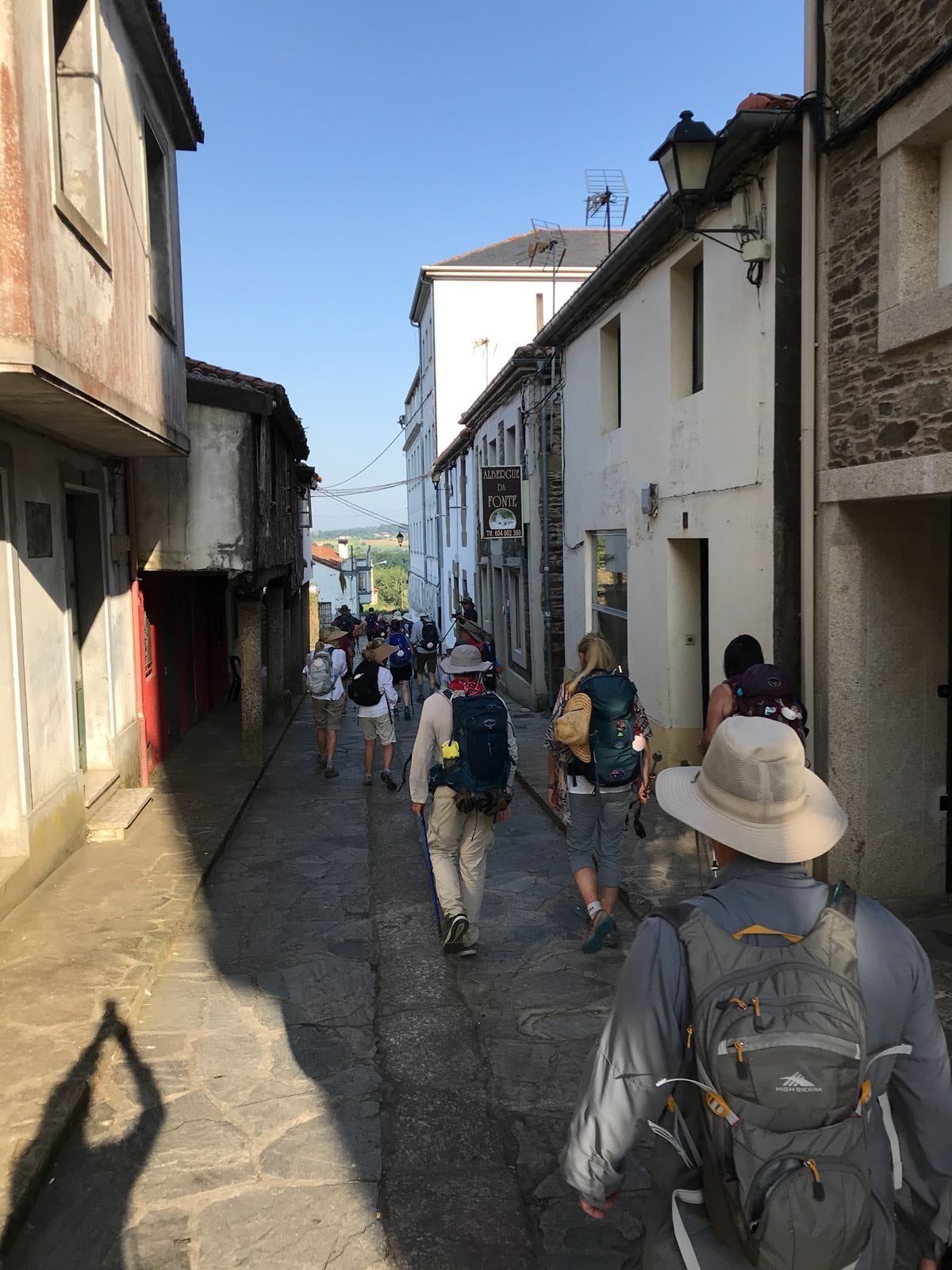
The Camino is shared by people seeking very different things. Some are talking with new friends. Others are praying, grieving or enjoying the first silence they have found in months. They have not agreed to become figures in someone else’s aerial film.
Noise is the most immediate problem. In a city it may disappear into traffic, but on a woodland path or open hillside it becomes the loudest sound present. Repeated launches are particularly intrusive at sunrise, outside churches and at symbolic places such as the Cruz de Ferro.
Uncertainty adds to the discomfort. Someone on the ground cannot easily tell who is operating the drone, whether its camera is recording or where the footage will appear. Flying higher does not necessarily solve the problem because the sound and the sense of being watched remain.
Privacy does not begin with social media
A wide landscape may still include recognizable faces, private gardens or people resting outside their accommodation. The considerate approach is to keep uninvolved people out of the composition rather than relying on distance to make them small.
Ask before making an identifiable person part of the subject. Never hover beside bedroom windows, private terraces or enclosed property. A flight may satisfy aviation requirements and still intrude on somebody’s privacy.
Publishing creates another decision. Examine the footage before sharing it and remove material that exposes an identifiable person in a private, vulnerable or embarrassing moment.
When a flight may work well
The best opportunity is a legal location with open space, few people and a clear reason for using an aerial camera. A short flight over an empty landscape can show geography that a ground-level photograph cannot.
Arrive with the shot planned. Launch away from walkers, avoid following anyone along the path and land as soon as the footage is complete. If people arrive, wait or abandon the flight. Another location or time will usually produce a better result without disturbing anyone.
Weather also decides the issue. Camino routes often combine exposed ridges, coastal wind, mist and sudden rain. A drone carried for hundreds of kilometers may remain in its case for much of the journey.
Is it worth carrying one?
A drone brings batteries, controller, charger and protective equipment as well as the aircraft itself. It also brings homework before every launch. For a photographer with a clear project, that effort may lead to memorable images.
For most pilgrims, a phone or small camera will record the Camino more freely. It can be used in towns, beside other walkers and during brief changes of light without turning the stop into a flight operation.
Bring a drone only if you are comfortable hearing no from the map, the weather, the location or the people around you. Knowing when to leave it packed is part of flying it well.