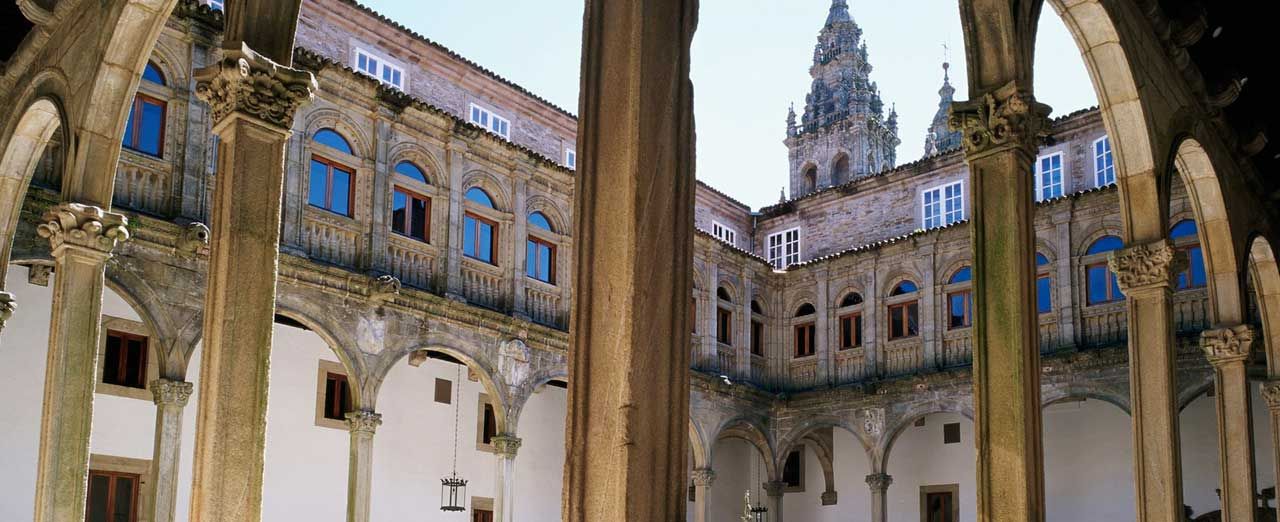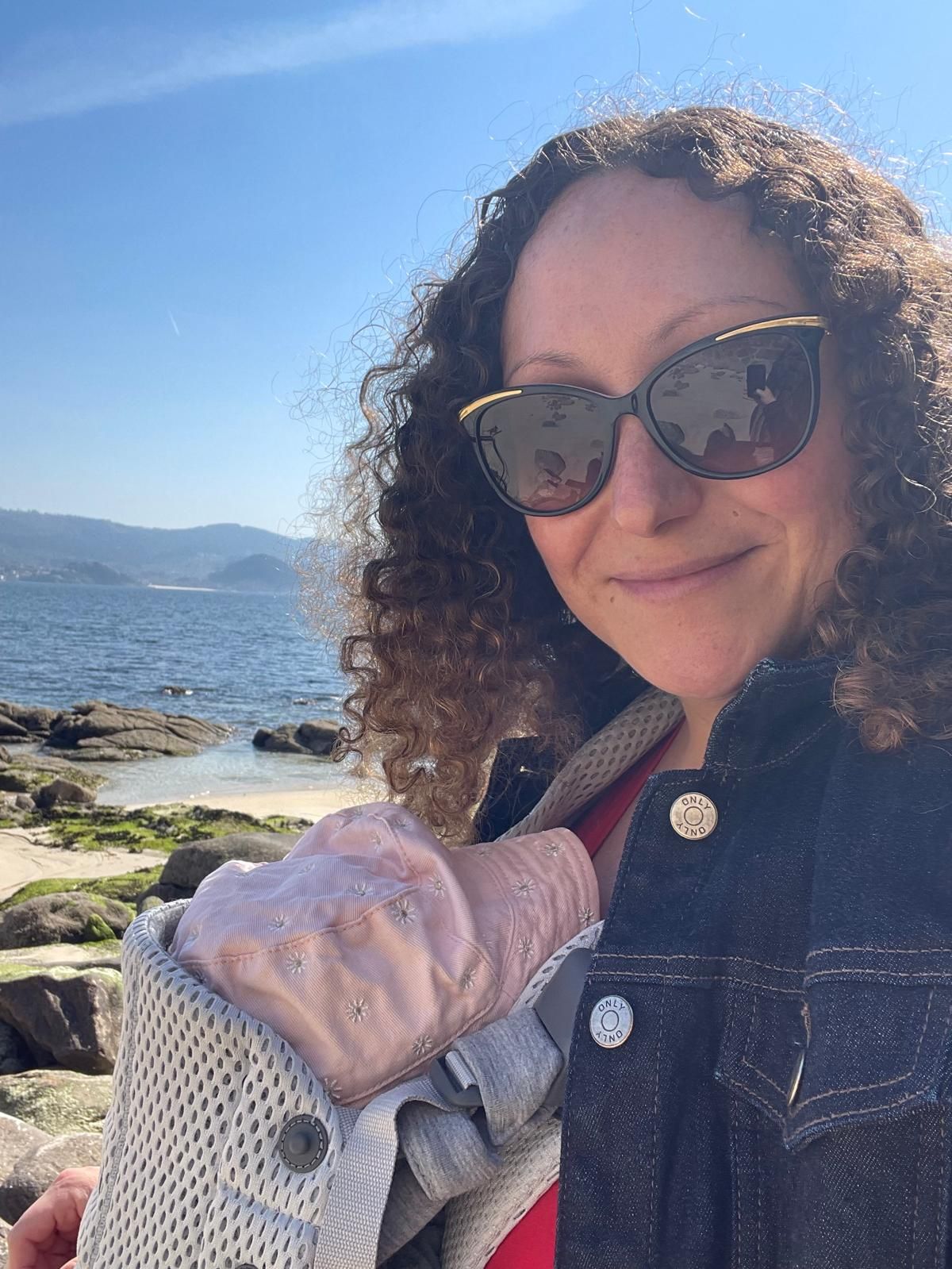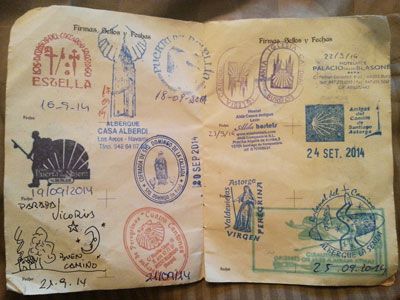
Responsible travel becomes concrete on the Camino. It is the bottle refilled rather than discarded, the gate closed after passing, the local café chosen for lunch, and the historic hotel treated as part of the place rather than simply a room for the night.
Leave the route as you found it
Carry all litter until you reach an appropriate bin, including fruit peel, tissues, and supposedly biodegradable items. Stay on the marked path where possible; shortcuts widen erosion and can cross private land. Never stack stones, mark buildings, attach ribbons, or leave written messages on waymarkers.
Water is valuable, particularly during hot and dry periods. Refill thoughtfully, follow notices at fountains, and never assume untreated water is safe to drink. A reusable bottle reduces waste but does not override local safety guidance.
Wildlife and livestock need space. Do not feed animals, enter fields for photographs, or approach nests. Close gates exactly as you find them and follow any temporary diversion intended to protect land, forestry work, or nesting areas.
The same restraint applies to “pilgrim” marks. Graffiti on signs, stones, bridges, trees, and kilometer markers is damage even when the message is heartfelt. Stone piles disturb small habitats and make other visitors believe they should add one more. Take the photograph; leave the surface unchanged.
Travel through living communities
The Camino passes through villages, farms, cities, and residential streets that continue their ordinary lives around the flow of travelers. Follow local signs, avoid blocking narrow entrances while checking directions, and ask before photographing residents, workers, worshippers, or children. Dress and behave respectfully in churches and active religious spaces, whether or not you share their beliefs.
Local spending helps keep smaller communities viable. A coffee, lunch, market purchase, or locally owned accommodation can matter more than a souvenir bought elsewhere. That does not mean every village exists to serve pilgrims: opening hours, family obligations, and local festivals shape the day.
Share public space considerately. Keep bags and bicycles clear of doors and paths, use fountains according to posted instructions, and give religious services priority over sightseeing. In churches, silence phones and follow requests concerning hats, photography, and access.
Early departures deserve the same care. Close hotel doors gently, keep conversation low in residential streets, and wait until you are away from sleeping neighborhoods before adjusting metal trekking poles on stone pavement. Music belongs in headphones at a safe volume, not through a speaker shared involuntarily with a village or everyone on the path.
Ultreya Tours guests stay in carefully selected hotels and other private-room accommodations. Follow each property’s arrangements for wet footwear, bicycles, luggage, heating, and air-conditioning. Historic buildings may have delicate furniture or limited spaces for drying outdoor equipment; reception can explain the best place to leave it.
Use the journey arrangements that support you
An organized Camino combines walking or cycling with luggage transfers and, depending on the confirmed itinerary, taxis, private transfers, trains, or other transportation. These services are not a failure to complete the Camino “properly.” They make a personalized journey possible and may be the sensible response to fatigue, illness, weather, a missed connection, or the need to adapt a stage.
Use the transportation included in your itinerary as confirmed, and contact Ultreya Tours if an unplanned change is needed during the journey. We can help coordinate the practical consequences rather than leaving you to telephone each hotel, driver, or luggage provider yourself. A taxi can protect a traveler’s health, preserve the rest of the journey, or simply form part of the personal plan.
You can still make ordinary low-waste choices without turning the Camino into a test of virtue: have the transferred bag labeled and ready at the stated time, refill water where it is confirmed safe, carry a reusable shopping bag, and sort waste according to local instructions.
Give time and attention to the places you cross
Start times, lunch stops, and visits need not copy the crowd when safety and confirmed services allow. Spend time in places rather than racing through them, and learn enough about the region to recognize that Galicia, Castile and León, Navarra, and northern Portugal have distinct languages, histories, and economies.
The Camino has endured because generations have maintained paths, welcomed strangers, protected buildings, and adapted living places to changing flows of people. Travelers become part of that relationship for a short time. Responsible travel is not about guilt or proving how little support you used. It is about enjoying the journey with attention and leaving its paths, communities, and hospitality ready to welcome the people who follow.
That attention can begin with birdwatching in Galicia and continue in the respectful visiting guidance for churches, monasteries, and historic stays.