Galician food rewards appetite more than ceremony. Portions are often designed for sharing, ingredients are recognizable, and the most memorable meal may arrive in a village dining room after rain rather than beneath a formal tasting menu.
Caldo galego is a restorative soup associated with greens, potatoes, beans, and pork, though recipes vary. Empanada galega wraps fillings such as tuna, meat, or shellfish inside bread-like pastry and travels well between market, bar, and picnic table. Pementos de Padrón are small green peppers traditionally fried and salted; most are mild, while an occasional one may be hot.
From coast and countryside
Octopus appears as polbo á feira, sliced and seasoned with olive oil, salt, and paprika. Galicia’s rías support a celebrated shellfish culture, from mussels and clams to scallops, the shell that also became the Camino’s universal sign. Availability, quality, and price follow species and season, so ask what is local rather than assuming every seafood platter tells the same story.
Cheeses offer quieter discoveries. Tetilla is immediately recognizable by its shape and mild character, while Arzúa-Ulloa belongs naturally to the country crossed by the final French Way stages. Bread, local beef, preserved pork, and market vegetables complete a cuisine that cannot be reduced to seafood alone.
The coast-to-interior contrast can be tasted from one route to another. Near Oporto and the Portuguese border, travelers encounter Portuguese dishes before the Camino enters Galicia. Around A Guarda, Oia, Baiona, and Vigo, fish and shellfish naturally shape menus. Inland, lacón con grelos brings together cured pork, greens, potatoes, and often chorizo, while carne ao caldeiro offers simply prepared beef with potatoes, oil, and paprika.
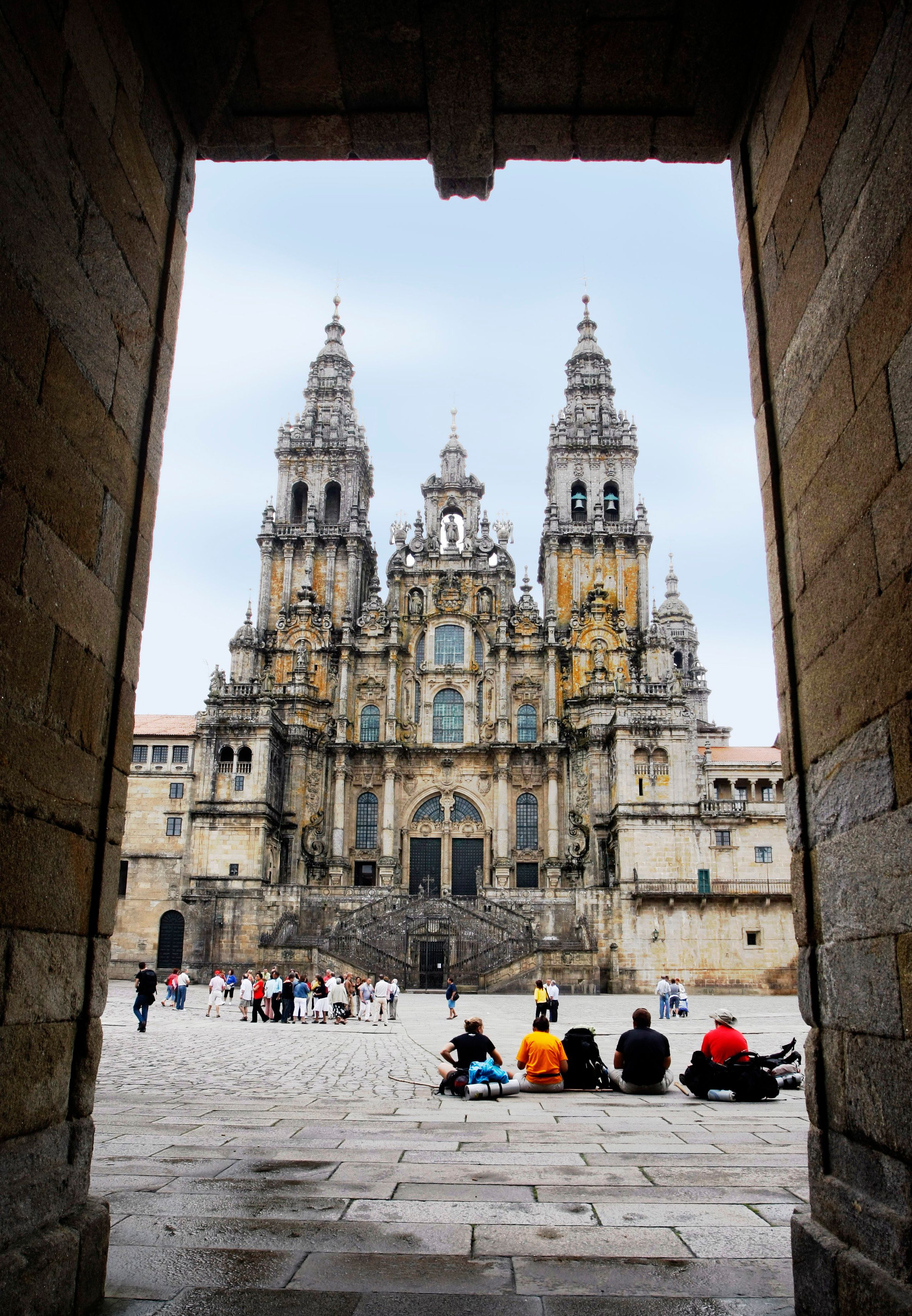
Pilgrims arriving through Melide often meet pulpo in a pulpería, where octopus is traditionally cut with scissors onto a wooden plate. In Arzúa, the soft local cheese has its own protected identity. Santiago gathers these regional foods into markets, taverns, restaurants, and hotel breakfasts, but their meaning is strongest when connected to the landscapes that produce them.
Three Galician recipes to make at home
These are straightforward home versions of dishes that vary from one cook, family, and gathering to another. The quality of a few ingredients matters more than unnecessary elaboration.
Pulpo á feira
For four to six people, use:
- 1 cleaned octopus, approximately 2 kilograms (4.4 pounds), previously frozen and fully thawed
- 1 small onion, optional
- Extra-virgin olive oil
- Sweet paprika
- Hot paprika, according to taste
- Coarse salt
- Boiled potatoes, or cachelos, if serving them alongside
Bring a large pot of unsalted water to a boil. Holding the octopus by the head, lower the tentacles into the water and lift them out when the boil returns. Repeat this three times, then submerge the octopus. Add the onion if using it and cook gently until the thickest part of a tentacle is tender when pierced. An octopus of this size often needs approximately 35 to 45 minutes, but tenderness matters more than the clock. Let it rest briefly in the cooking water.
Lift out the octopus and cut the tentacles into bite-size rounds with kitchen scissors. Arrange them in a single layer, traditionally on a wooden plate. Season in this order: coarse salt, a mixture of sweet and hot paprika, and a generous thread of olive oil. Serve immediately. If adding potatoes, boil them separately or in some of the octopus water, slice them thickly, and place them beneath the octopus.
Pementos de Padrón
For four people as a shared plate, use:
- 400 to 500 grams (14 to 18 ounces) of small Padrón peppers, preferably peppers carrying the Pemento de Herbón protected designation when available
- Olive oil for frying
- Coarse sea salt
Wash the peppers and dry them thoroughly; water left on the skins will spit in hot oil. Pour enough olive oil into a wide frying pan to coat the base and heat it over medium-high heat. Add the peppers in one uncrowded layer. Fry, turning them, until their skins blister and soften but do not burn, usually five to seven minutes depending on their size and the heat of the pan.
Transfer them to a serving plate and scatter generously with coarse salt. Eat them warm, holding the stem and biting off the pepper. The familiar Galician saying, uns pican e outros non, some are hot and others are not, is part of the pleasure, because appearance does not reliably reveal which pepper carries the heat.
Churrasco de cerdo
For four people, use:
- 1.2 to 1.5 kilograms (2.6 to 3.3 pounds) meaty pork ribs, cut into manageable sections
- 3 garlic cloves, finely crushed
- 2 tablespoons olive oil
- 1 tablespoon sweet paprika
- 1 teaspoon dried oregano
- Coarse salt and black pepper
- A small splash of dry white wine, optional
Mix the garlic, olive oil, paprika, oregano, salt, pepper, and wine if using. Rub the mixture over the ribs, cover, and refrigerate for at least two hours; overnight gives the seasoning more time to settle into the meat. Bring the ribs toward room temperature while preparing a charcoal or wood fire.
Grill over steady medium heat rather than fierce flames, turning regularly, until the outside is browned and the meat is cooked through and tender. Depending on thickness and heat, this generally takes 30 to 45 minutes. Move the ribs to a cooler part of the grill if they color before the interior is ready. Rest them briefly, then cut between the bones. In Galicia, pork churrasco is often brought to the table on large shared platters with fries, salad, and fried Padrón peppers. Never serve pork undercooked; if checking with a thermometer, follow current food-safety guidance for the cut you are using.
What to drink
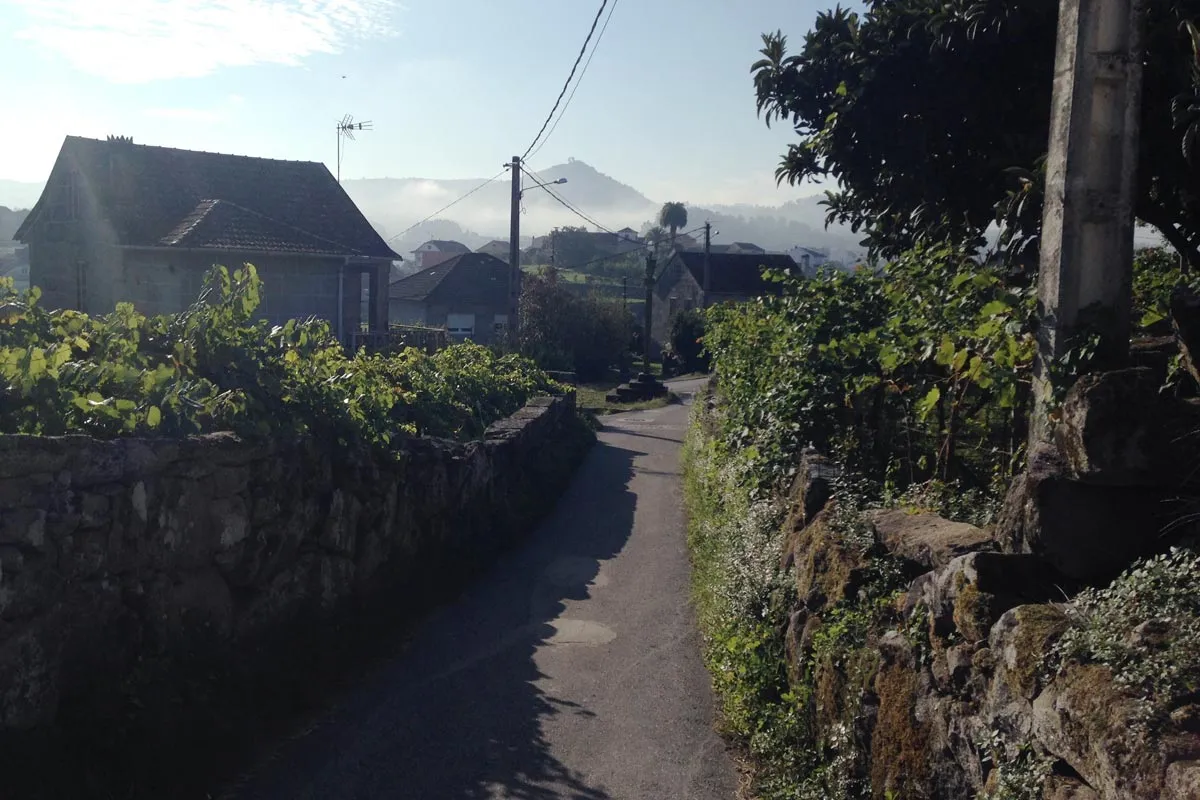
Galicia’s wines are unusually varied for a compact region. Albariño is closely associated with Rías Baixas; Ribeiro blends often accompany food beautifully; Godello is an important white grape in Valdeorras and Ribeira Sacra; and Mencía produces expressive reds in Ribeira Sacra and neighboring regions. The Winter Way crosses vineyard country where steep terraces make the labor behind a glass impossible to ignore.
Wine is optional, never an obligation of cultural participation. Galicia also has mineral waters, coffee traditions, herbal infusions, and increasingly varied alcohol-free choices. Local beer and cider appear too, although cider carries a stronger regional identity in Asturias than in Galicia.
Ordering with curiosity
A menú del día may be the most practical way to try home-style cooking: usually a choice of first and second courses, followed by dessert or coffee, with the exact format stated by the restaurant. Portions intended for sharing are common, so ask before ordering one plate per person. Markets such as Santiago’s Mercado de Abastos help visitors see fish, meat, cheese, vegetables, and prepared foods together rather than as isolated “must-try” dishes.
Vegetarian and vegan options have improved, especially in cities, but traditional soups, vegetable dishes, and tortillas may contain meat stock, ham, tuna, or egg. Travelers with dietary requirements should explain what they cannot eat rather than rely only on a category label.
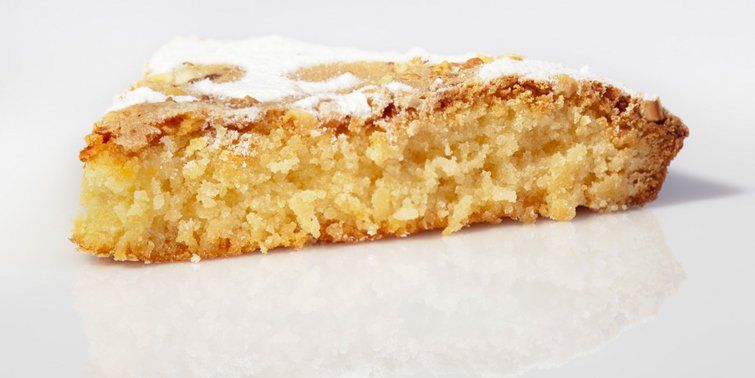
Coffee, hot chocolate, and churros belong to wider Spanish habits rather than exclusively Galician tradition, yet they are part of the pleasures travelers encounter in Santiago. Convent sweets and almond-rich Tarta de Santiago add another historical layer.
Menus identify allergens under current rules, but travelers with serious allergies should communicate clearly and not rely on appearance. Regional names and preparation methods can conceal ingredients unfamiliar to a visitor.
The best approach is curiosity without a checklist. Share dishes, ask what the house prepares well, and leave space for a flavor that was never mentioned in the guidebook.
For the practical rhythm around those meals, read Eating on the Camino. Bakers can continue with the protected almond cake and its wider setting in Tarta de Santiago and convent sweets.