Thanksgiving arrives after the main Camino season. In Galicia and Castilla y León, mornings are cold, many seasonal accommodations have closed and the summer procession of pilgrims has thinned. The American holiday is not part of the traditional Camino calendar. Its central question, however, fits the road very well: what, and whom, do we need to thank?
What the stones at Cruz de Ferro say
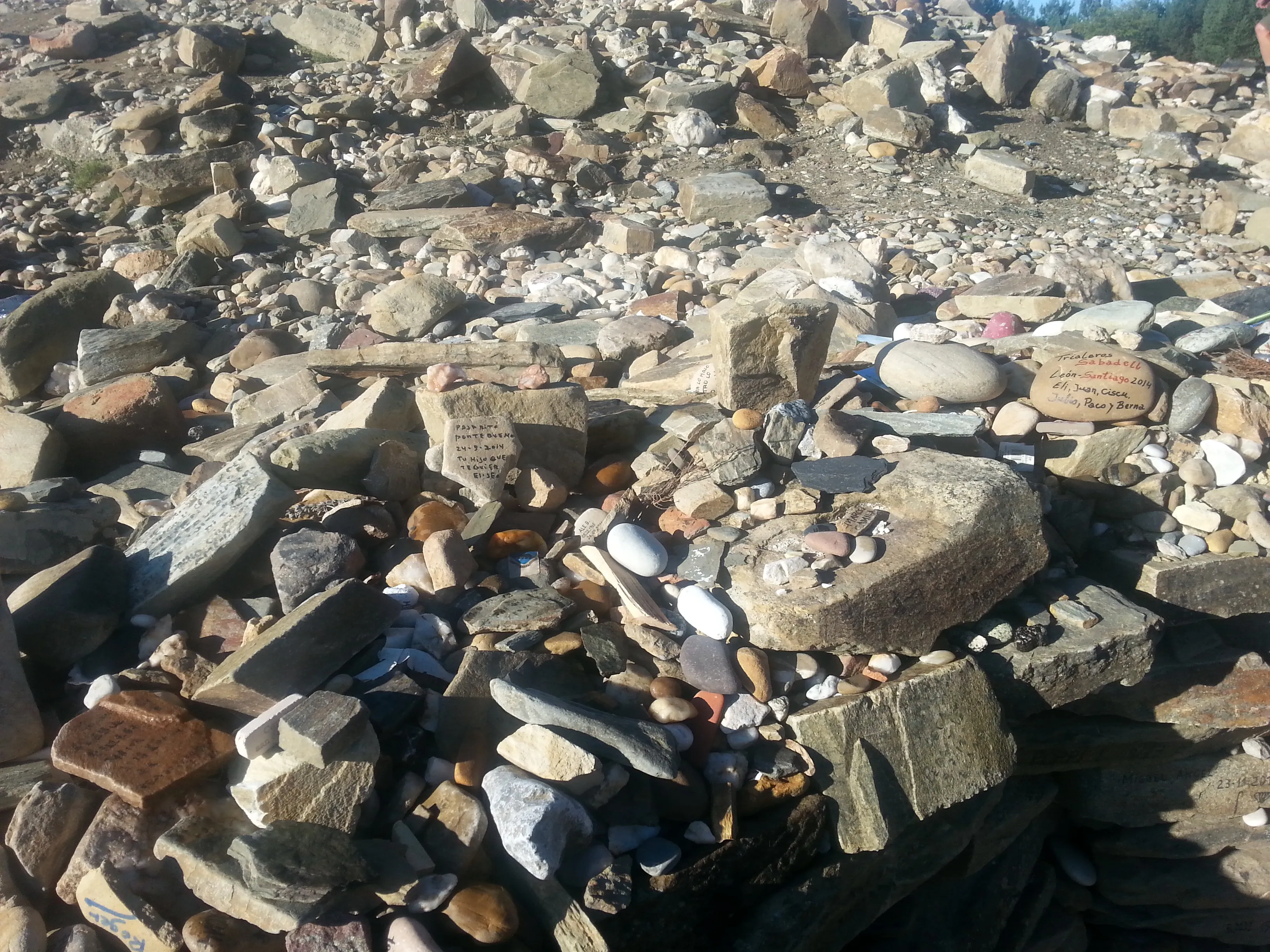
Cruz de Ferro stands between Foncebadón and Manjarín, at one of the highest points of the Camino Francés. The iron cross rises from a mound built up by countless stones and offerings. Pilgrims commonly bring a stone from home and place it there, often attaching a memory, a promise or something they are ready to release.
Look closely and the mound contains another record. Names are written on smooth pebbles. Short messages thank parents, partners and friends. Some remember a person who died. Others carry a date, a country or a few words that make sense only to the person who left them.
The ritual is usually described in terms of laying down a burden. The stones also speak of gratitude. A pilgrim can be thankful for someone who made the journey possible while still grieving their absence. Relief and affection frequently occupy the same small piece of ground.
Certainty about the custom’s origin is difficult. The modern act matters because pilgrims give it meaning themselves.
The people behind an apparently solitary walk
A pilgrim may walk alone, but few Caminos are achieved alone. Someone cared for children or covered work at home. A hotelier opened breakfast early. A driver returned with a forgotten passport. A pharmacist dealt calmly with a blister that had become alarming. A stranger slowed down for an hour.
There is also a large group whom the pilgrim may never meet: the people who clear paths after storms, wash sheets, carry luggage, cook dinners and answer a telephone when plans change. Our guide to how a self-guided Camino works describes some of the support behind every apparently effortless day.
Thanking these people does not require a grand gesture. Learn a person’s name. Say exactly what helped. Leave a thoughtful review for a small business. Tell us when a provider has been exceptionally kind so we can pass it on.
A Camino Thanksgiving table
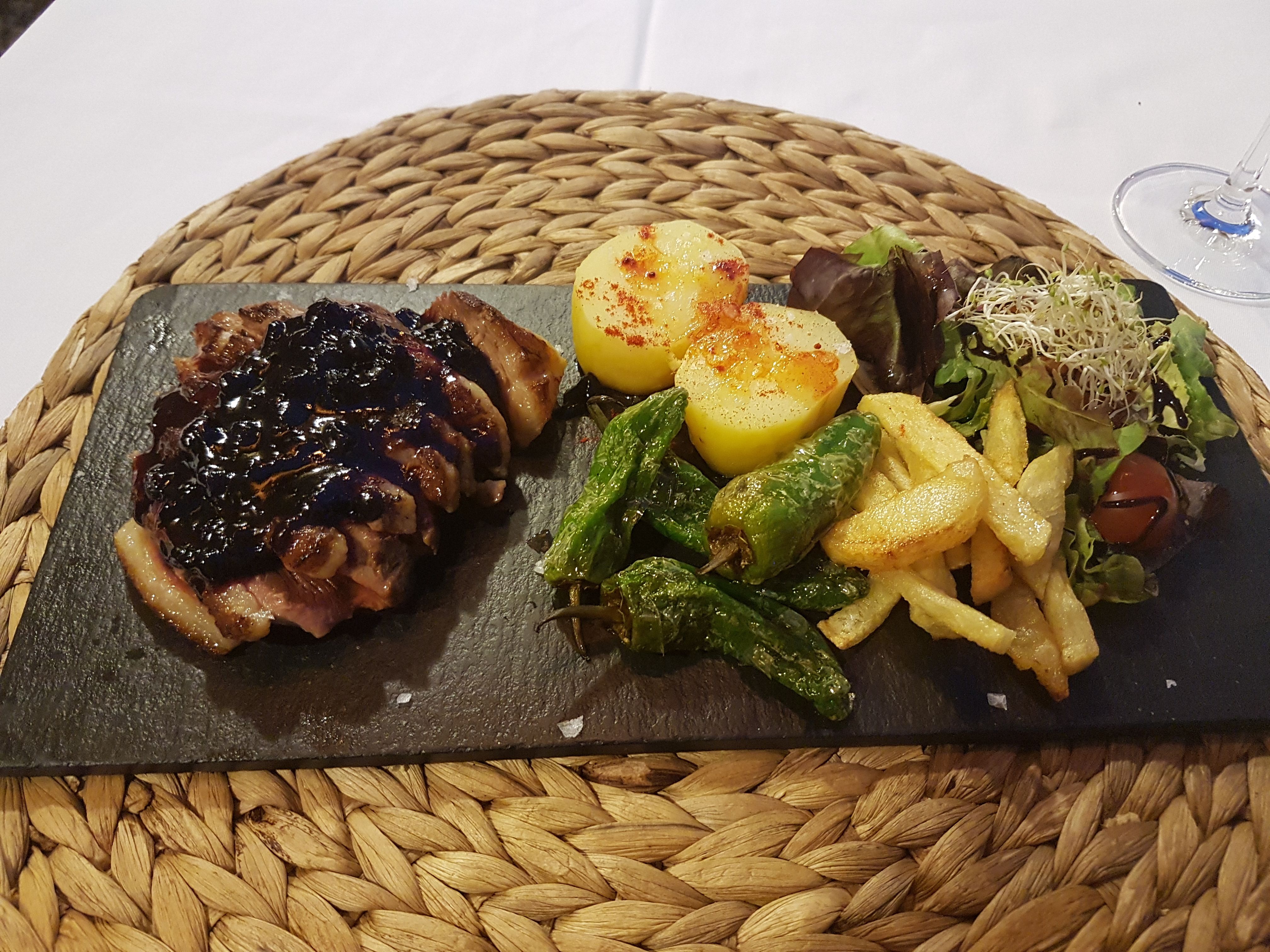
The Camino has no turkey-and-pumpkin-pie tradition, and pretending otherwise would miss what is already here. A Camino table is often a menú del día, caldo, tortilla, bread, wine and whatever the kitchen has prepared. Its importance comes from who sits down and what is shared.
Pilgrims meet people they would rarely encounter at home. Different ages, languages, jobs and beliefs are squeezed around one table because everyone arrived dusty and hungry at roughly the same hour. This is one reason Camino friendships form so quickly.
The useful part of gratitude is specificity. “I am grateful for the Camino” soon becomes vague. “I am grateful that María found my glasses after breakfast in Portomarín” remains a story.
On Thanksgiving, a former pilgrim might choose one person from the journey and write to them. Share the photograph that still makes you laugh. Thank the companion who waited on the climb. Tell the hotel owner that you still remember the soup served on the wettest afternoon.
The Camino is full of rituals, but gratitude need not become another task. Sometimes it is simply noticing that a road crossed by millions of feet still depends on individual acts of care.