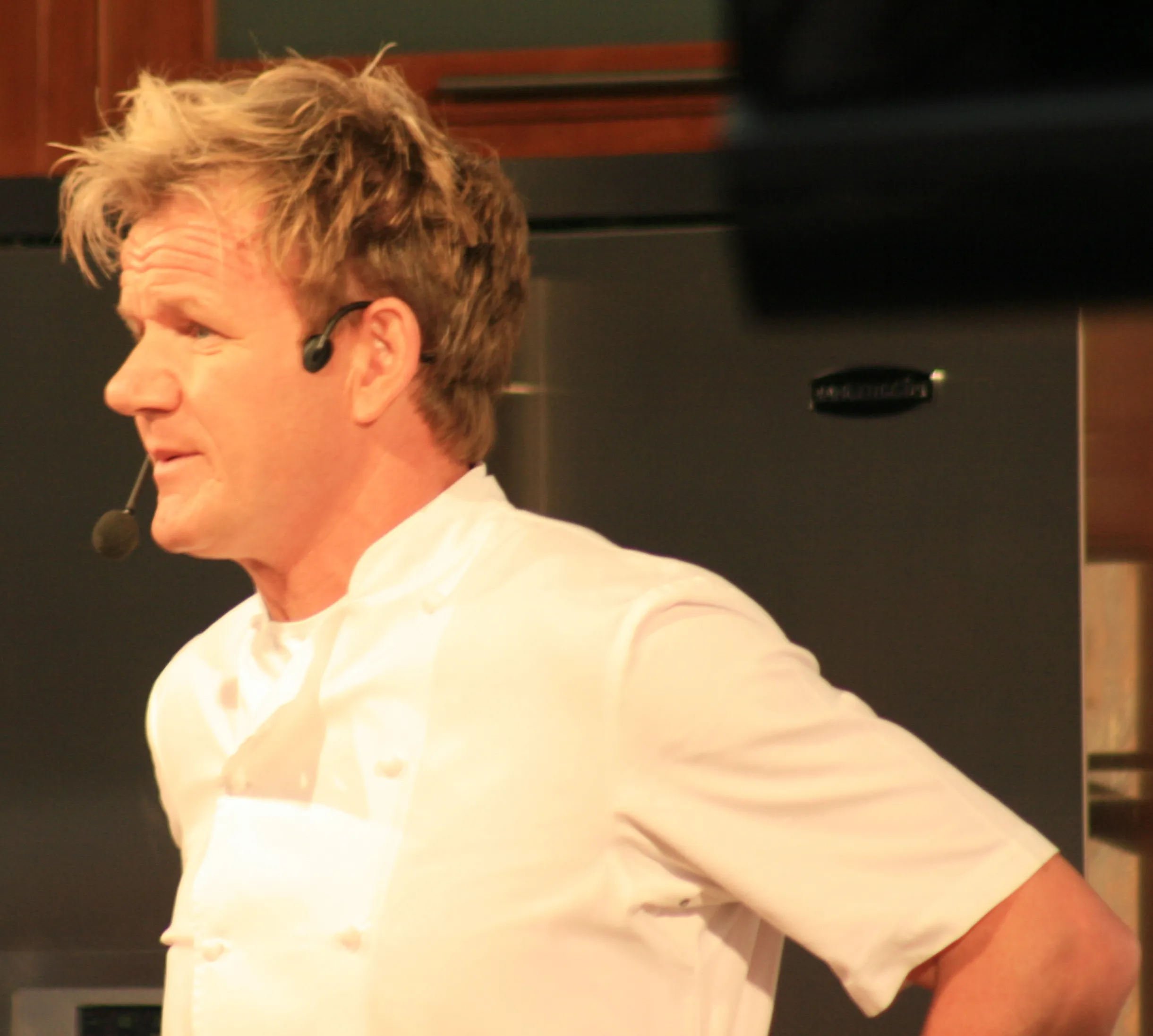
Galicia has appeared in two distinct Gordon Ramsay travel formats, which are easily confused. The programmes were not restaurant-rescue episodes and the visits were not secret reviews. They used Galician landscapes, producers and cooks to tell a television story about regional food.
Gordon, Gino and Fred: Viva España!
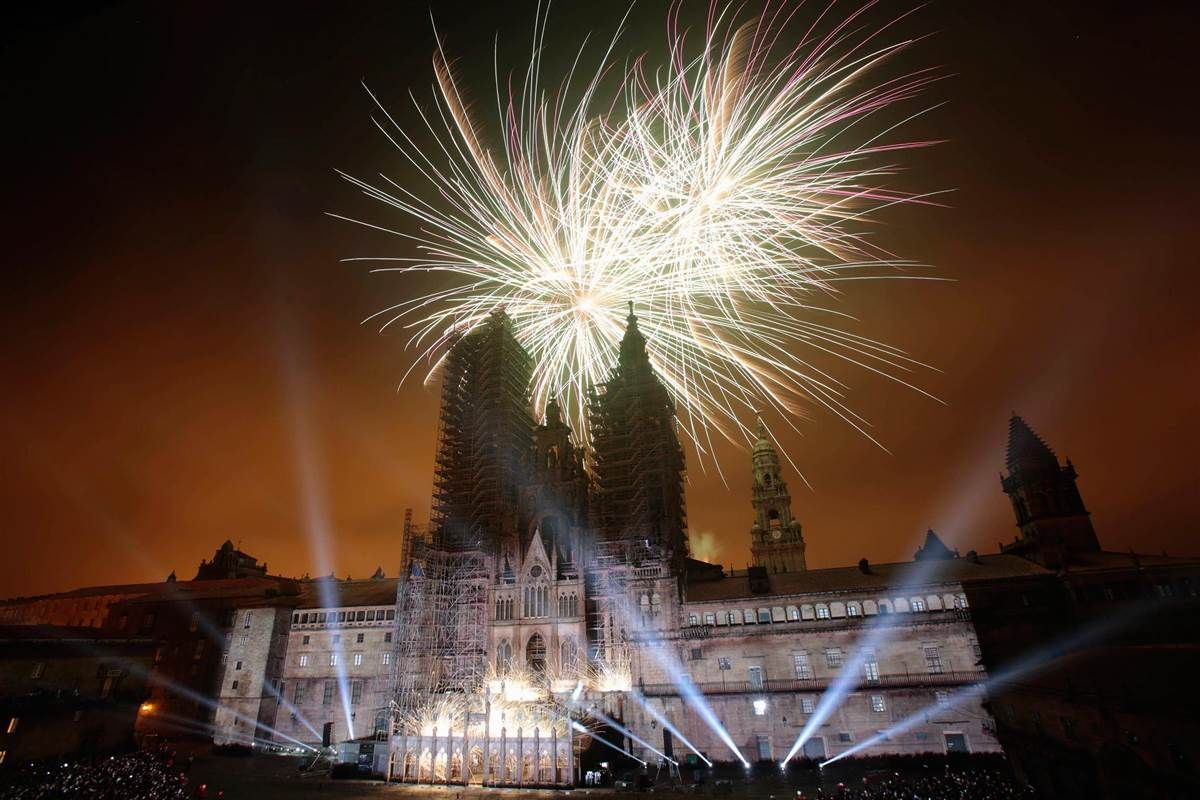
In the episode often listed as “Fiesta Forever,” Ramsay travelled with chef Gino D’Acampo and maître d’ Fred Sirieix. Spanish press described a route through Cambados, the Ribeira Sacra and Santiago de Compostela.
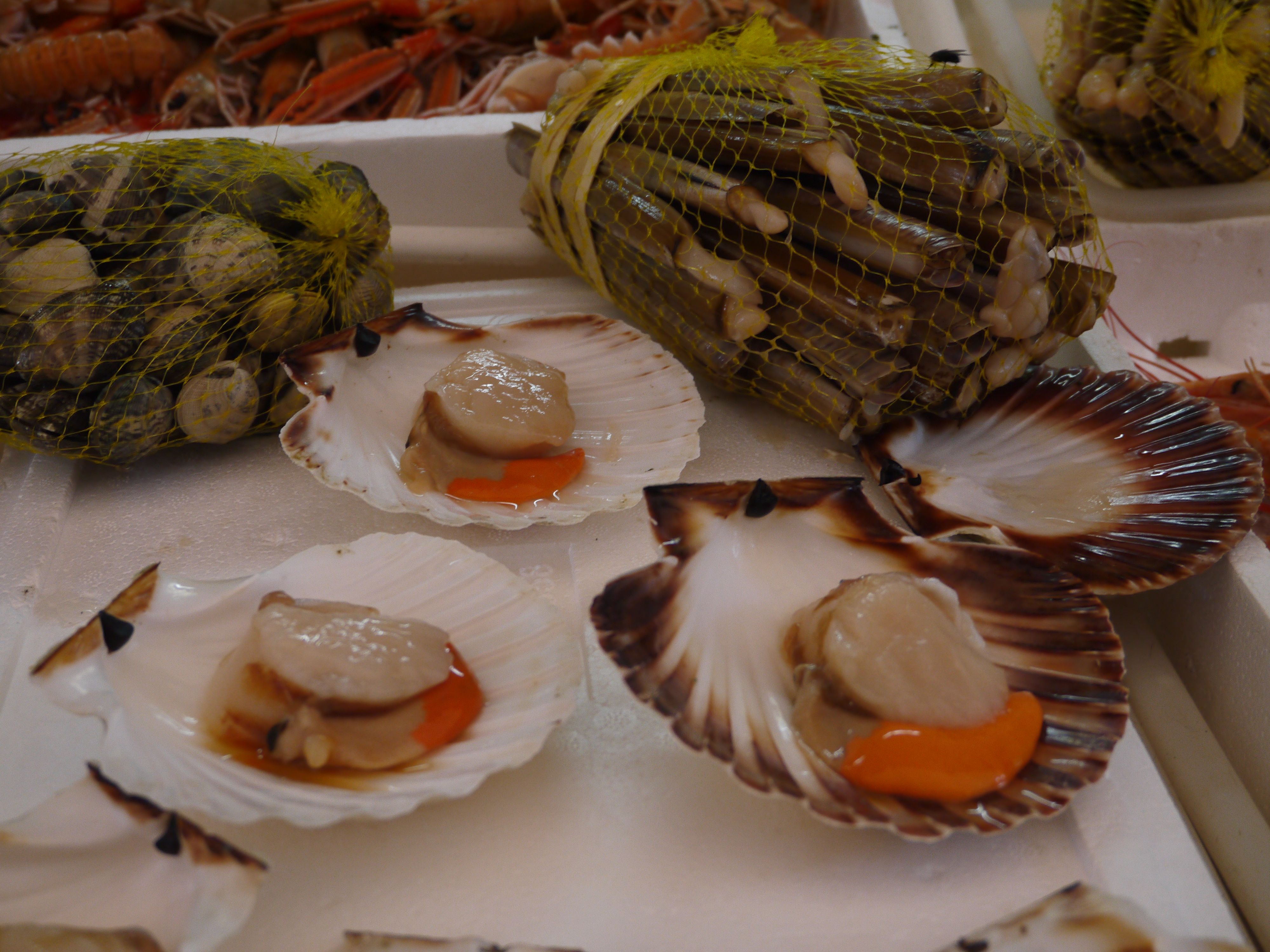
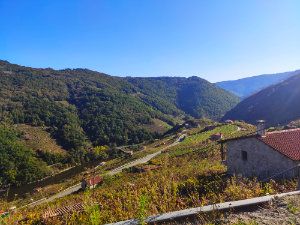
At Cambados they joined a large group of mariscadoras, the women who gather shellfish on foot in the intertidal zone. The journey then moved inland to the steep vineyard terraces of Ribeira Sacra, included a queimada and finished in Santiago.
The programme moves from productive Atlantic tidal flats to vines planted above river canyons and the ritual life of Santiago. Its focus is Galicia’s ingredients, producers and landscapes rather than a conventional list of restaurants.
Gordon Ramsay: Uncharted on Spain’s Galician Coast
National Geographic’s “Spain’s Galician Coast” episode, season four episode three, paired Gordon with his daughter Tilly Ramsay. They gathered percebes from exposed rocks, worked with mussels on a batea and learned about Galician cheese before a final cook with chef Pepe Vieira and his son.
The episode featured several Galician producers and filming locations:
- Vía Romana, at Belesar in Chantada, where the programme examined Ribeira Sacra’s steep-slope viticulture and used the winery’s Godello.
- Airas Moniz, the cheese producer at Outeiro, Chantada, known for raw-milk cheeses including blue Savel.
- Pan de Azúmara, from the Castro de Rei area in Lugo, representing traditional Galician bread.
- The coast around Malpica and the Costa da Morte, used for the demanding shellfish scenes.
The final cook took place with Pepe Vieira, whose Michelin-starred restaurant is at Raxó, Poio.
Which restaurants did he visit?
Pepe Vieira is the principal restaurant connected with the episode and can be reserved independently. It belongs in our wider guide to Michelin restaurants around the Portuguese Way and O Salnés. Vía Romana and Airas Moniz are producers rather than restaurants; visits require their current public arrangements or an appointment.
Following the landscapes yourself
The Portuguese Spiritual Way crosses the O Salnés wine country, passes through Vilanova de Arousa and takes the boat route among the mussel rafts. Cambados and Pepe Vieira require additions or transfers rather than lying directly on every walking stage.
Ribeira Sacra is farther inland. It works best as a private day from Ourense on the Sanabrés Way, from Santiago, or as a separate extension. Roads are steep and wineries are dispersed, so a driver allows the traveler to taste wine without navigating.
Ultreya Tours can add a food, wine or coastal day to a Camino proposal when the producers, restaurants and transfers are confirmed for the requested date. For the ingredients first, continue with our guides to Galician seafood and Ribeira Sacra wine.