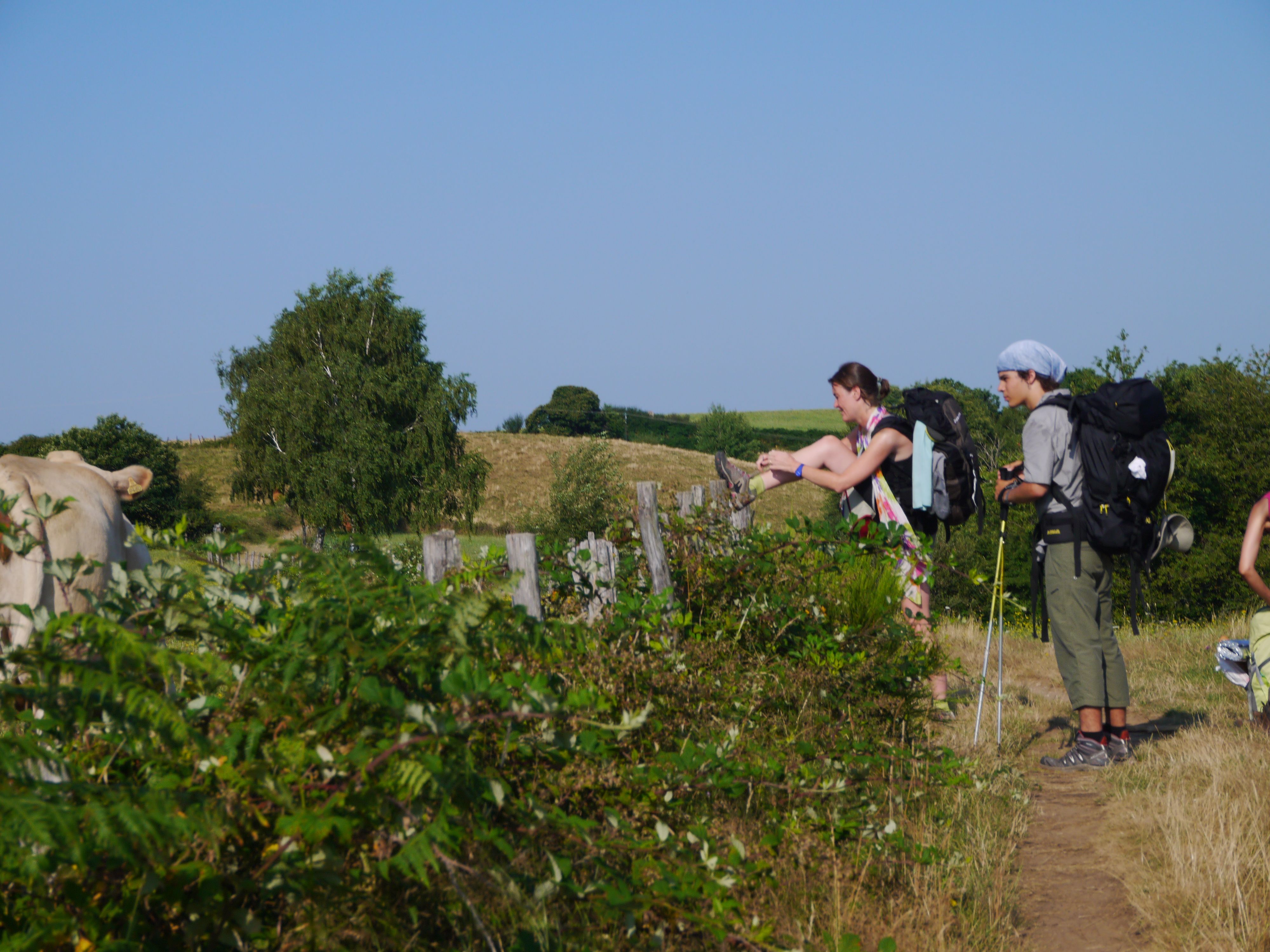
Walking for several hours changes how the legs, feet, hips and shoulders feel. Calves work repeatedly on climbs, quadriceps control the body on descents, and a daypack or trekking poles can leave tension across the upper back. Massage may ease the feeling of tight, tired muscles and create a useful pause at the end of the stage. It cannot repair a sprain, stress fracture, infected blister or torn muscle.
The treatment name is less important than the conversation before it begins. Tell the therapist how far you have been walking, what hurts, whether you must walk again tomorrow and how much pressure you enjoy.
Relaxing massage
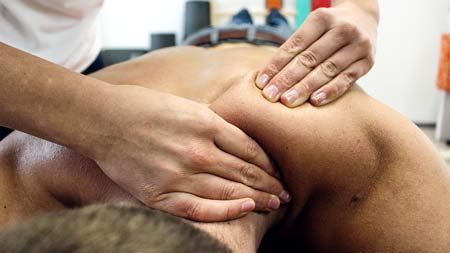
A relaxing massage uses slower movements and light to medium pressure. It suits pilgrims who feel generally tired, who do not want concentrated work on a painful point, or who have another stage the next morning. It is also the easiest choice when the main aim is to sleep and unwind.
Ask the therapist to avoid a blistered foot, sunburn, bruising or any area of broken skin. If you are sensitive to fragranced oils, mention that when booking rather than after the treatment has started.
Sports or recovery massage
A sports-oriented session normally concentrates on the muscles used during the walk: calves, thighs, gluteal muscles and sometimes the lower back. The therapist may use firmer pressure and assisted movement. Explain that you are on a multi-day journey. The work required by someone who has finished the Camino can differ from the treatment chosen for someone walking 20 km the following morning.
More pressure is not automatically better. Tell the therapist immediately if you feel sharp pain, tingling or numbness.
Deep-tissue and decontracting massage
In Spain you may see masaje descontracturante. It focuses on particular areas of muscular tension and can be stronger than a general relaxing treatment. It can suit a familiar tight shoulder or a calf that feels loaded, provided there is no sign of injury.
Do not request deep work simply because it sounds more effective. It may leave the area tender, particularly when the body is already tired from consecutive stages.
Foot and lower-leg massage
Tired feet often feel good after careful work on the sole, ankle and lower leg. The therapist must know about blisters, nail problems, swelling and tenderness before touching the feet. Massage should not be performed directly over an open blister, infection or unexplained swollen area.
Foot treatment complements rather than replaces daily care. Wash and dry the feet, change wet socks, inspect the skin and deal with friction early. Our detailed Camino foot-care guide explains the rest of the routine.
Thai, shiatsu and other specialist treatments
Thai massage is available in some larger cities, but there are relatively few dedicated Thai-massage options in the small Camino towns. Traditional Thai treatment can include pressure, compression and assisted stretches, sometimes on a floor mat rather than a massage table. Ask exactly what the appointment involves if you have never tried it.
Larger hotel spas may also offer shiatsu, Ayurvedic massage, hot-stone treatments, aromatherapy, lymphatic drainage or spa rituals. These can be pleasant additions to a rest day. They should not be selected as treatment for an undiagnosed Camino injury.
Useful Spanish phrases
You do not need fluent Spanish to describe the essentials:
| English | Spanish |
|---|---|
| I have been walking for five days. | Llevo cinco días caminando. |
| I have to walk again tomorrow. | Mañana tengo que volver a caminar. |
| My calves are very tight. | Tengo los gemelos muy cargados. |
| My thighs hurt. | Me duelen los muslos. |
| I have tension in my lower back. | Tengo tensión en la zona lumbar. |
| My right shoulder hurts here. | Me duele el hombro derecho aquí. |
| Please use gentle pressure. | Por favor, poca presión. |
| You can use a little more pressure. | Puede hacer un poco más de presión. |
| That is too strong. | Es demasiado fuerte. |
| Please do not massage this area. | Por favor, no masajee esta zona. |
| I have a blister here. | Tengo una ampolla aquí. |
| I am allergic to this product. | Soy alérgico / alérgica a este producto. |
| I take blood-thinning medication. | Tomo anticoagulantes. |
| I am pregnant. | Estoy embarazada. |
| Is it muscular, or should I see a doctor? | ¿Es muscular o debería ir al médico? |
Point to the exact place rather than relying only on a translated word. Explain whether the whole muscle feels tired or whether the pain comes from one precise point. Always mention tingling, numbness or loss of strength.
Massage, stretching and recovery
Massage works best as one part of a sensible evening. Eat, drink, change out of damp clothing and let the body settle. A few comfortable movements may feel good; forceful stretching of a painful muscle may not. The next morning, reassess before committing to the full stage.
Read how to arrange a hotel massage on the Camino for notice, cost and payment, or see our pre-walk stretching guide for a short routine that does not require spa facilities.