The Camino del Norte approaches Santiago along the north of Spain. It passes through Basque Country, Cantabria and Asturias before entering Galicia across the Ría de Ribadeo. The name suggests a continuous coastal walk, although many stages climb inland and the Galician section soon leaves the sea.
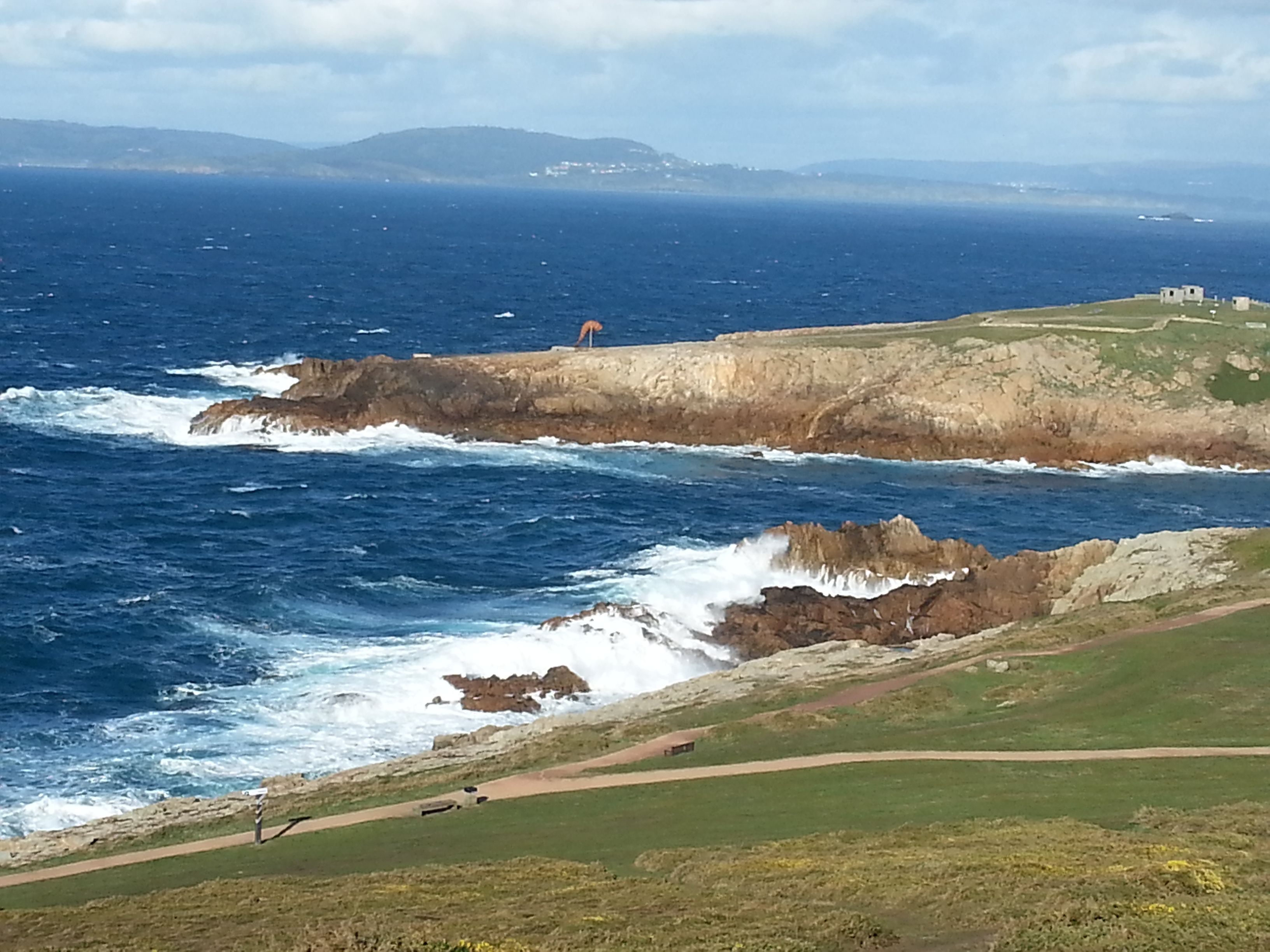
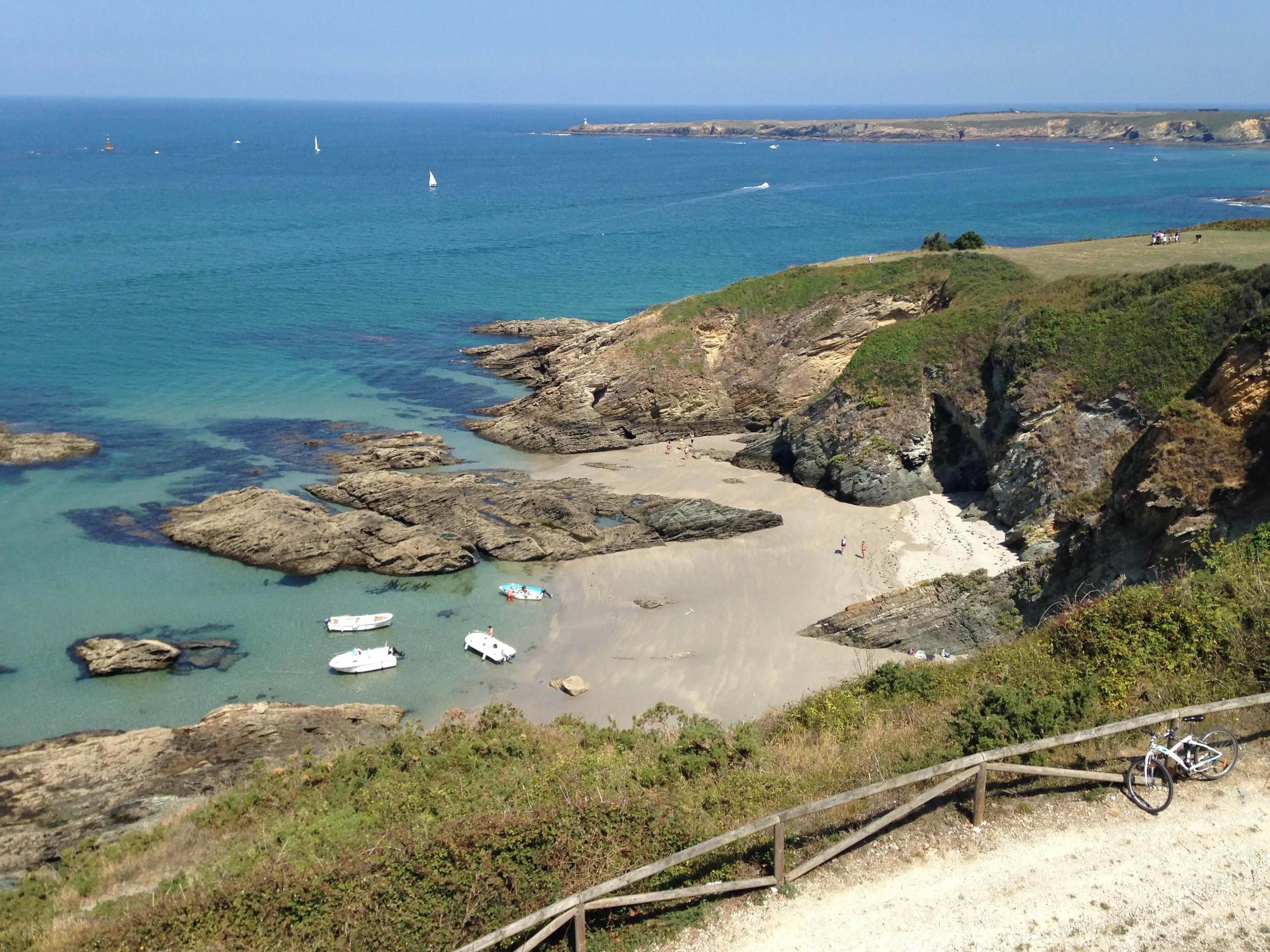
This is a route of repeated contrast. Fishing ports and beaches are followed by eucalyptus forest, industrial estuaries, green pasture and steep lanes. Some mornings begin above surf and end behind coastal hills without a sea view. Across the complete journey, four regions reveal their own languages, food and architecture.
An early northern corridor
Christian kingdoms in the north provided early routes toward the new shrine at Santiago while much of the peninsula was under Muslim rule. Coastal roads also connected ports receiving pilgrims from France, England and northern Europe. The Northern Way gained particular importance in the later Middle Ages, when maritime pilgrimage flourished and Oviedo attracted visitors to the relics held in the Cámara Santa.
The road competed with difficult geography. Rivers widen into estuaries near the sea, forcing ferries or long inland detours, while cliffs and ridges create constant climbing. Medieval bridges, monasteries and hospitals concentrated movement through the few practical crossings. As the French Way grew safer and better supported by monarchs, monasteries and new towns, many pilgrims preferred its easier inland corridor.
Roman roads and settlements existed along the northern coast, but the Camino del Norte was not a single Roman highway. Its line grew from ports, valleys, bridges, religious centres and the practical need to cross difficult coastal terrain.
Towns that shape the journey
The route begins at Irún, beside the French border, and immediately climbs through the green Basque landscape. San Sebastián brings Belle Époque architecture, a shell-shaped bay and one of Spain’s great food cultures. The walk west passes fishing towns such as Getaria before reaching Bilbao, where the medieval lanes of the Casco Viejo and the modern Guggenheim stand on the same river shaped by shipbuilding and industry.
In Cantabria, Castro Urdiales preserves a Gothic church above its harbor. Santander is reached across the great bay, and the route continues through Santillana del Mar, whose stone streets are close to the prehistoric cave of Altamira. Comillas adds the architecture of wealthy emigrants returning from the Americas, including Gaudí’s colorful El Capricho.
Asturias brings fishing ports, cider country and sharper changes in elevation. Llanes has medieval defenses and a dramatic coast; Ribadesella sits at the mouth of the River Sella near caves preserving Paleolithic art. Near Villaviciosa the Camino divides: one line continues toward Gijón and the coast, while another turns to Oviedo and the Camino Primitivo.
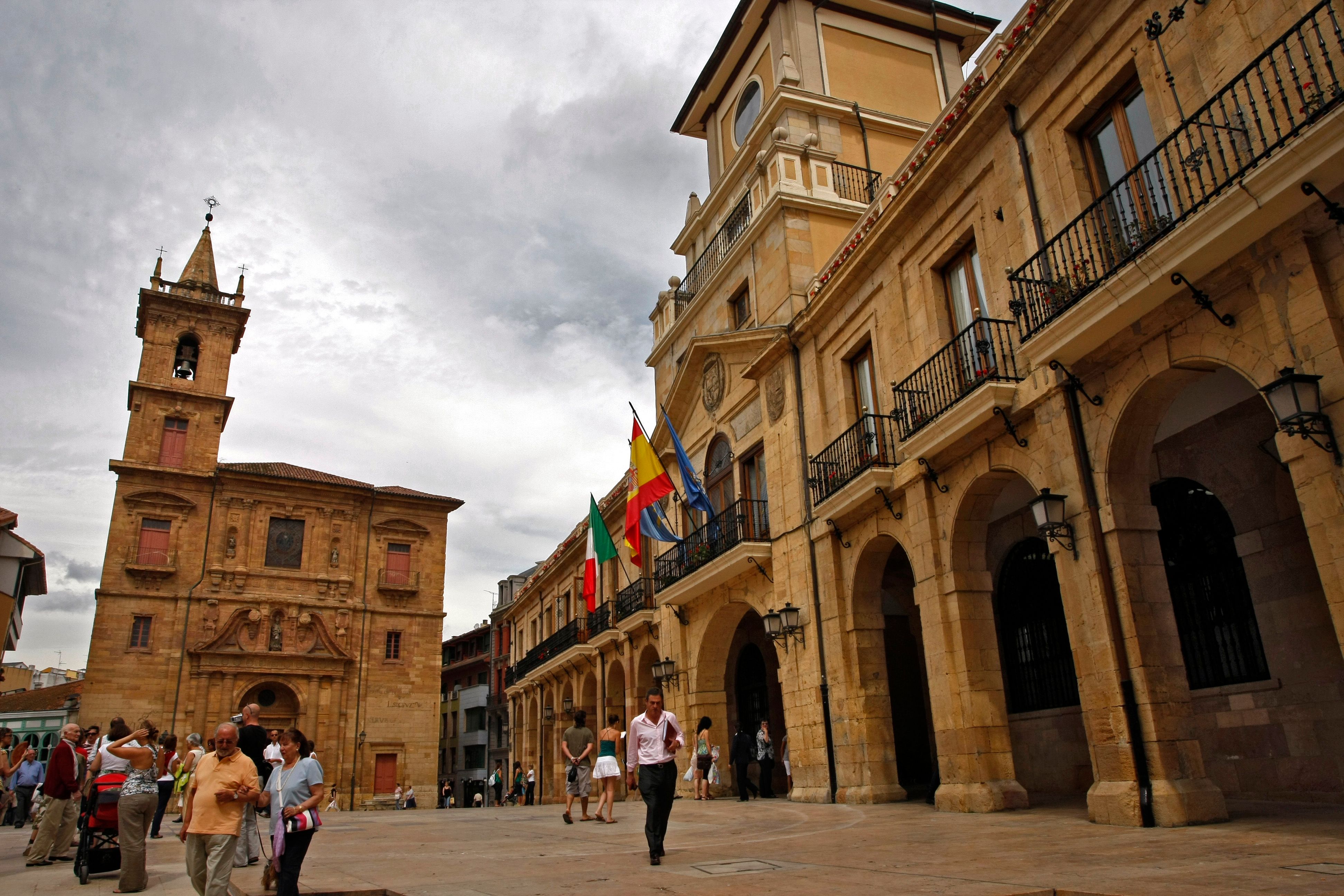
Oviedo was a pilgrimage destination in its own right. The Cámara Santa in the Cathedral of San Salvador holds relics that inspired the old saying: “Whoever goes to Santiago and not to the Savior visits the servant and leaves the Lord.” Pilgrims can begin the Primitivo here or return northwest toward Avilés and the coastal route.
In Galicia, Ribadeo marks the arrival across the Eo estuary. Nearby Praia das Catedrais makes a memorable excursion when tide and visitor authorization align. The Camino then leaves the coast for Lourenzá, where the great Baroque façade of the monastery dominates the valley, and Mondoñedo, a small episcopal city with a cathedral begun in the thirteenth century.
The route crosses the broad farming country of Terra Chá through Vilalba, associated with the Andrade family’s medieval tower. At Sobrado dos Monxes, a vast Cistercian monastery brings cloisters, Baroque stonework and centuries of hospitality into an otherwise rural stage. The Norte joins the French Way at Arzúa, where its quiet rhythm gives way to the busy final approach shared with pilgrims from Sarria.
Historic pilgrims
Tradition associates Saint Francis of Assisi with a pilgrimage through northern Spain in 1214, although surviving documentation does not settle his precise itinerary. Firmer names include the late-fifteenth-century Armenian bishop Mártir of Azerbaijan, the Polish noble Jakub Sobieski in the seventeenth century and the French traveler Jean-Pierre Racq in the eighteenth.
How it compares
The Northern Way is longer and hillier than many first-time pilgrims expect. Daily totals can hide constant short ascents and descents, and accommodations are less evenly spaced than on the French Way. Atlantic weather brings lush scenery and can also deliver rain at any point in the season.
Choose it for regional food, major coastal cities, fishing towns and a physically varied walk. Basque pintxos, Cantabrian seafood, Asturian cider and Galician cooking give each section its own table. Travelers seeking a continuous ocean view or an easy first Camino may be happier on the Portuguese Coastal Way; experienced walkers who enjoy hills and cultural change will find the Norte deeply rewarding.
Ultreya Tours does not currently organize tours on the Camino del Norte. If this is the route you want to follow, contact us and we will explore the dates, stages and accommodation for a tailor-made journey.