Santiago became one of medieval Europe’s great pilgrimage destinations, as explained in our history of the Camino de Santiago. Yet by the modern period, many roads were quiet, hospitals had changed purpose and international walkers were far fewer. No single event ended the Camino. Its decline came through repeated disruptions.
The word decline can suggest a steady fall from a single medieval peak. The reality was uneven. A war might interrupt travel from one region while local pilgrimage continued elsewhere. An institution could lose its original function while the road remained important for trade and village life. Holy Years and popular devotion preserved movement even when the international network was smaller.
Long-distance pilgrimage depended on more than individual belief. Pilgrims needed borders they could cross, roads that were reasonably secure, institutions able to offer care and communities willing to recognize the social identity of a pilgrim. Disease, conflict and religious division weakened different parts of that system at different times. Their effects accumulated without erasing Santiago as a sacred destination.
This longer perspective also makes the twentieth-century revival easier to understand. Much of the Camino required fresh research, waymarking, promotion and new forms of hospitality before large numbers of international walkers could experience it as one continuous journey again.
Disease and fear of movement
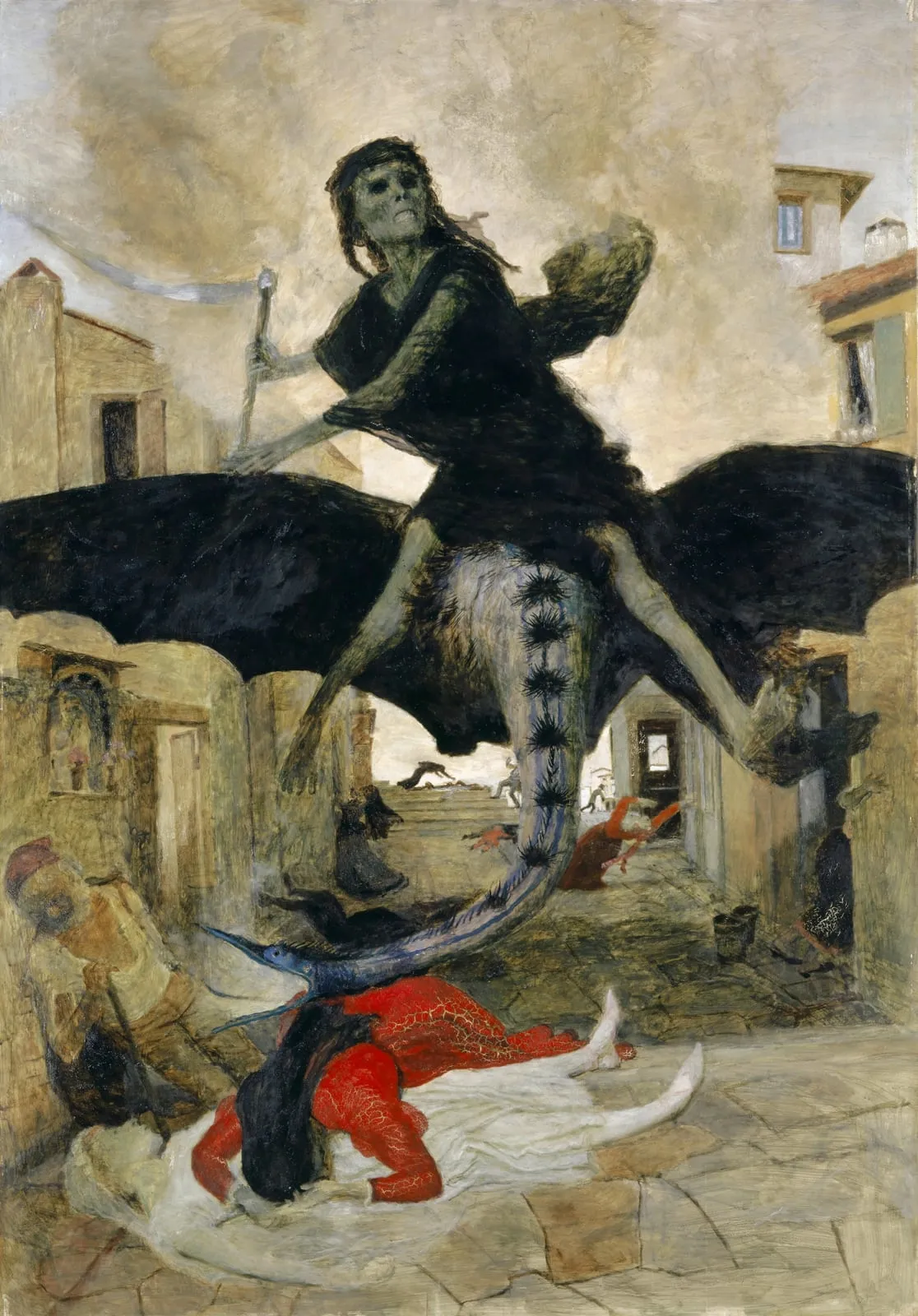
The Black Death reached Europe in the fourteenth century and killed on an immense scale. Roads, ports and crowded lodging places could spread infection. Communities feared strangers, while pilgrims faced closed institutions and disrupted supplies.
Plague returned in later outbreaks. It reduced populations, damaged economies and weakened the religious and charitable organizations supporting pilgrims. It would be too simple, however, to say that plague alone destroyed the Camino. Pilgrimage continued, and the route’s fortunes varied by region and century.
War and unstable borders
Long-distance pilgrims crossed territories affected by dynastic struggles, local wars and changing alliances. The Hundred Years’ War complicated travel from parts of France and beyond. Later conflicts between European states created further barriers.
Roads were also used by soldiers. Inns and hospitals could be requisitioned, while pilgrims risked robbery or suspicion. Authorities might treat a person crossing a border as a vagrant, spy or carrier of disease.
The Reformation
In the sixteenth century, Protestant reformers criticized indulgences, relics and pilgrimage. In regions that adopted Protestantism, journeys to distant shrines lost official and cultural support. This reduced the international population traveling toward Santiago.
Catholic pilgrimage continued and was renewed through the Counter-Reformation, but religious Europe was now divided. Santiago remained important in Spain while drawing fewer pilgrims from some of the lands that had once supplied them.
The hidden relics
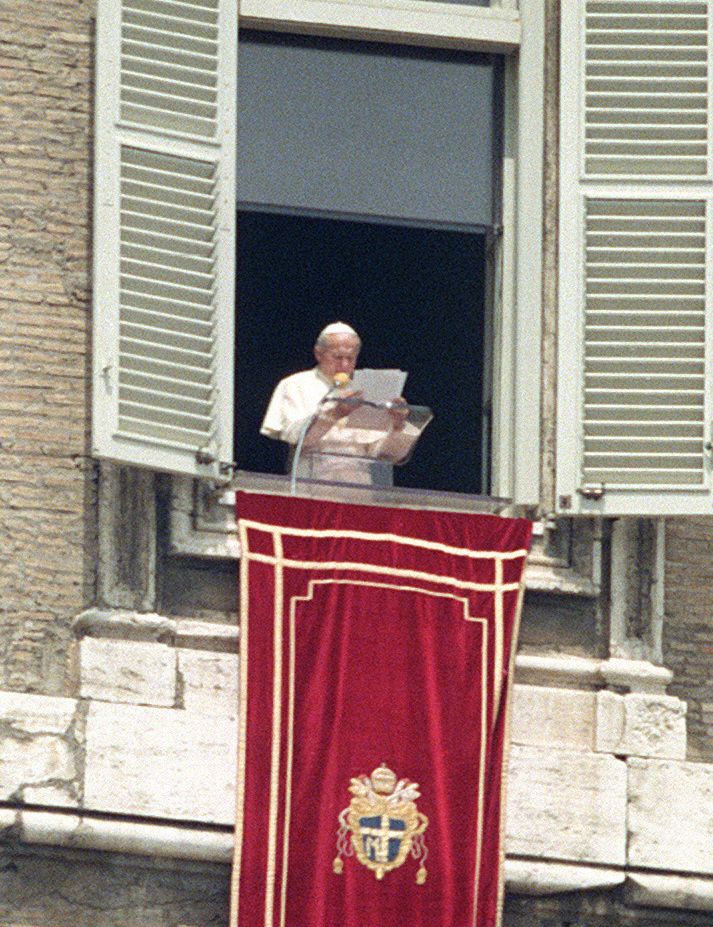
Fear of an English attack in the late sixteenth century led Archbishop Juan de Sanclemente to hide the relics associated with Saint James within the Cathedral. Their location was then forgotten for centuries. They were rediscovered in the nineteenth century and their identification was affirmed by Pope Leo XIII.
The episode symbolizes the Camino’s quieter period. The shrine remained, but its international network no longer functioned at its medieval scale.
Decline was not disappearance
Local and regional pilgrims continued to visit Santiago. Holy Years, religious communities and popular devotion preserved the tradition. Roads survived as ordinary routes between farms, villages and markets even when few pilgrims understood them as one international Camino.
The twentieth-century revival depended on historians, priests, Camino associations, public institutions and volunteers who recovered routes and marked them again. Modern pilgrimage is therefore both ancient and renewed.
The long decline shows how easily a route can fade when hospitals close, borders harden and local support disappears. Its later recovery required people to mark the road again, reopen places of welcome and teach a new generation where the old paths went.