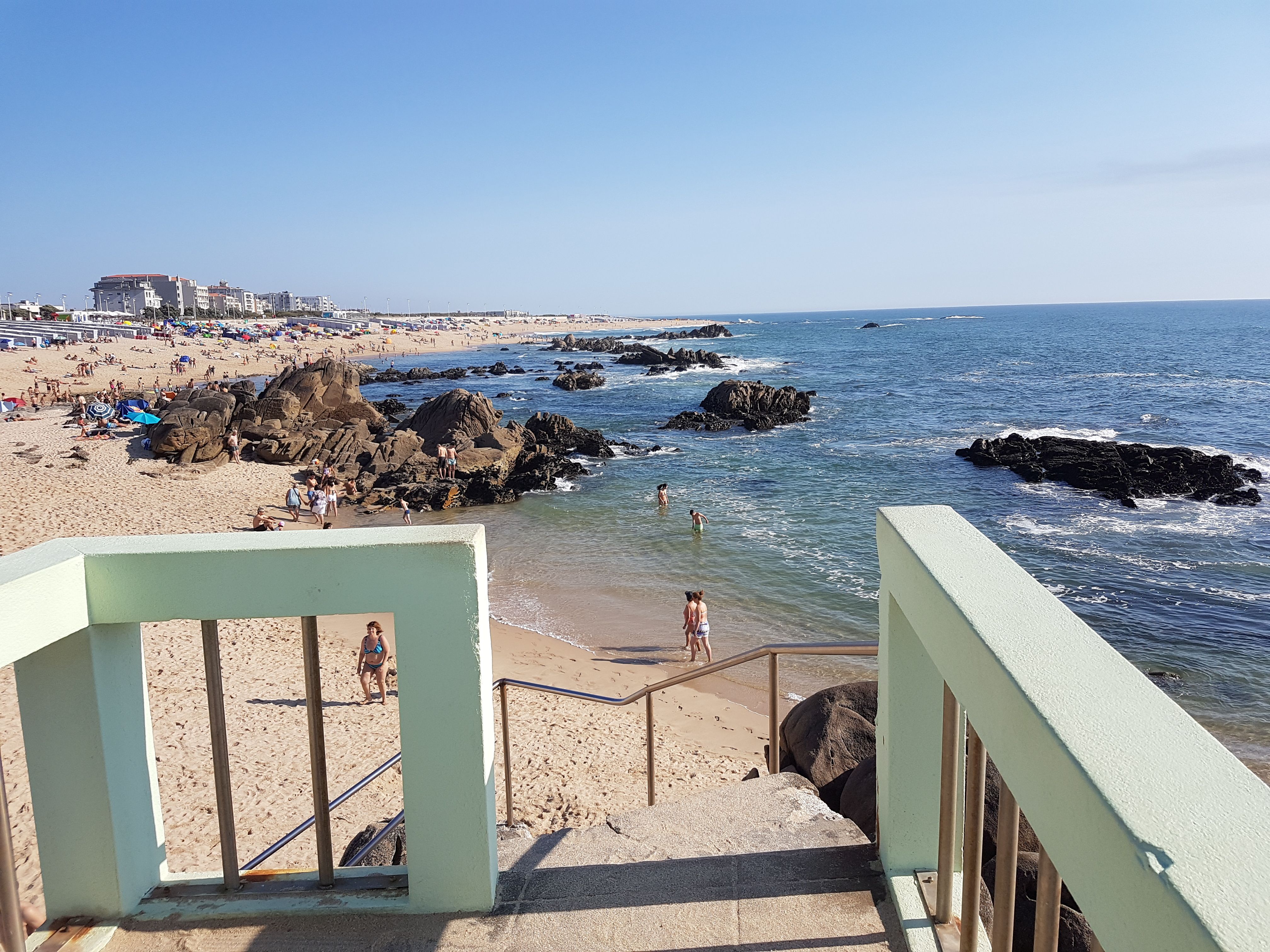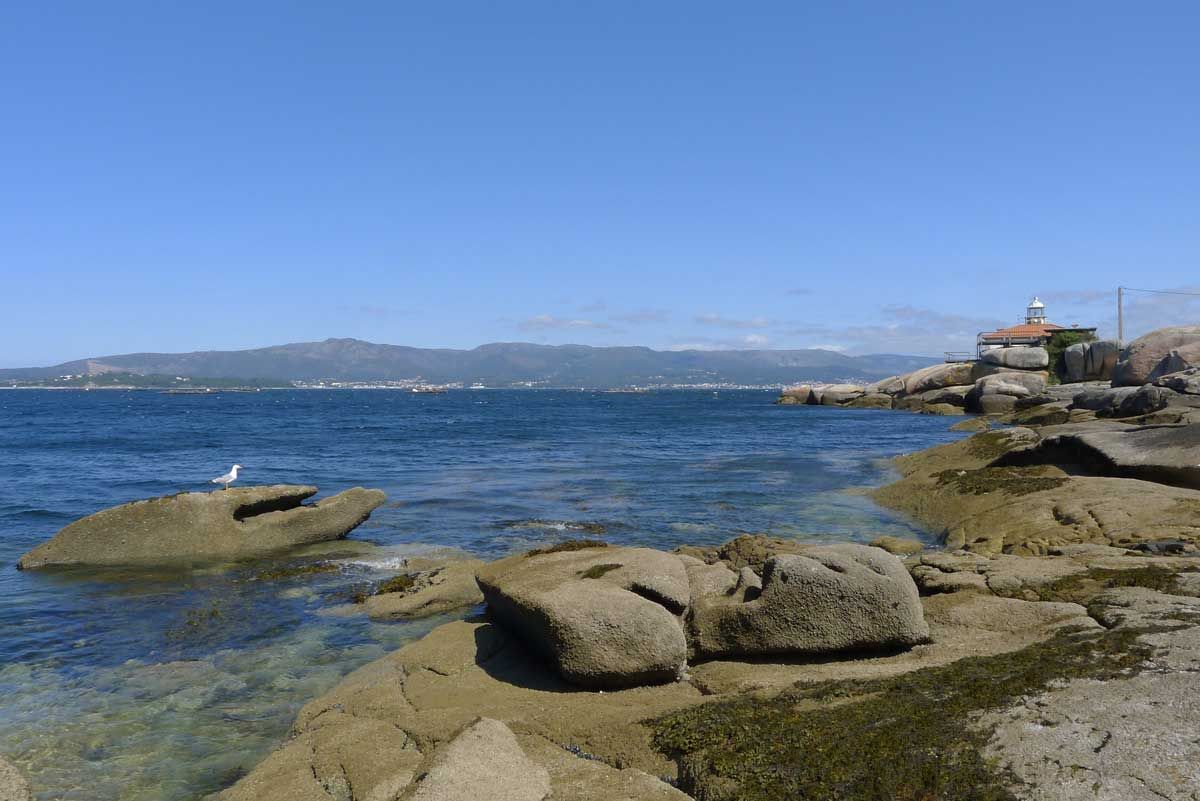
The Portuguese Central Way is a family of northbound roads rather than a path invented for modern walkers. Pilgrims could begin in Lisbon, Coimbra, Porto or their own town, joining the main corridor as they travelled toward Galicia.
The route crosses two countries that share a long border, related languages and centuries of trade, marriage, rivalry and cultural exchange. Portugal and Galicia feel immediately connected, yet never identical. Granite villages, green valleys and Atlantic food continue across the Miño while language, paving, café culture and the shape of towns change at the bridge.
A Roman framework
Parts of the route reflect the Roman communications of Gallaecia. The important road from Braga toward Astorga passed through Ponte de Lima and Tui before continuing across Galicia. Later paths shifted, while Roman bridges, towns and river crossings continued to define the durable north-south corridor.
In the Middle Ages, the same corridor linked cathedral cities, monasteries, markets and fortified frontier towns. Rivers determined the stages. Bridges at Barcelos and Ponte de Lima concentrated traffic, while ferries and later bridges across the Miño connected Valença with Tui. Pilgrims walked among merchants, soldiers, farm workers and people visiting local shrines.
Early pilgrims and written evidence
Count Henry and Teresa, parents of Portugal’s first king, visited the shrine in 1097. The best-known royal pilgrim is Isabel of Portugal, later canonised as Queen Saint Isabel. She travelled to Santiago in the fourteenth century and offered her crown at the Apostle’s altar. She was buried in Coimbra with a pilgrim staff.
Later travelers left recognizable accounts. The Bohemian noble Leo of Rožmitál, the Nuremberg physician Hieronymus Münzer and the Italian priest Giovanni Battista Confalonieri recorded journeys through Iberia. King Manuel I also made the pilgrimage. These names show that the road served royal devotion, diplomacy and ordinary movement between Portuguese and Galician towns.
The towns on the Central Way
The full route can begin in Lisbon, following the Tagus through Santarém and Tomar before Coimbra. Lisbon’s Cathedral is the symbolic departure, while the long first sections cross a warmer, flatter Portugal with greater distances between pilgrim services. Tomar brings the extraordinary Convent of Christ, headquarters of the Knights Templar and their Portuguese successors. Coimbra, rising above the Mondego, adds one of Europe’s old universities and the tomb of Queen Saint Isabel at Santa Clara-a-Nova.
Porto is the most popular starting city for the complete modern Central Way. The route leaves from the fortress-like cathedral, descends through streets of granite and tile and crosses the urban north before reaching quieter Minho country. An extra night allows time for the Ribeira, São Bento’s painted tile panels, port wine lodges across the Douro and the city’s vigorous food culture.
Barcelos combines a medieval bridge, weekly market and the legend of the rooster. In the Camino version, a wrongly accused pilgrim is saved when a cooked rooster rises and crows before the judge. The colorful Galo de Barcelos later became an emblem of Portugal far beyond the route.
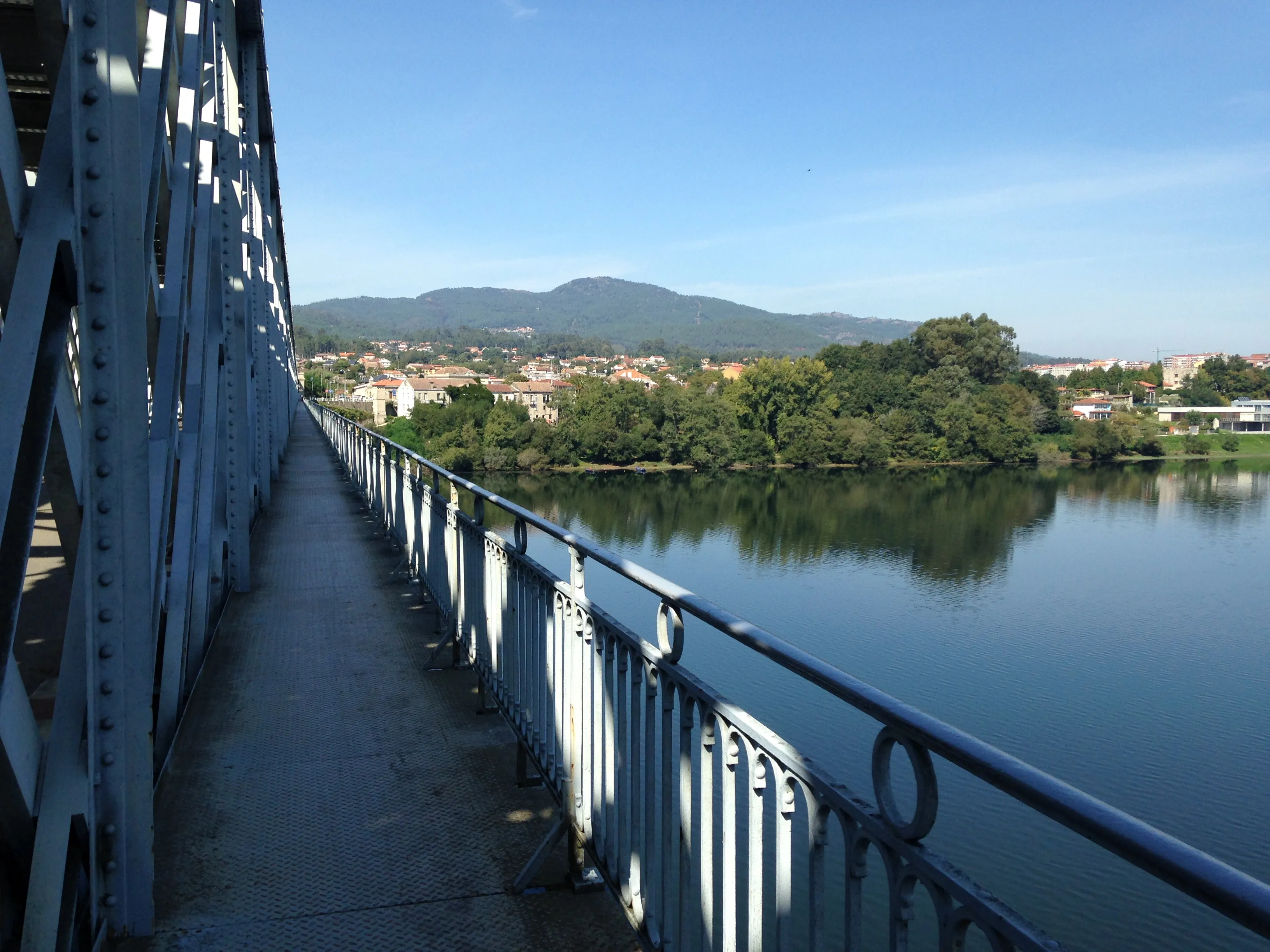
At Ponte de Lima, plane trees and manor houses line the river beside a bridge with Roman foundations and medieval arches. The following country grows more rural before the climb over Labruja. Valença is enclosed by a star-shaped fortress overlooking the Miño and Spain. Walking across the international bridge is one of the great transitions of any Camino: Portugal lies behind, Galicia and Tui Cathedral rise ahead.
Tui Cathedral combines Romanesque mass with a sculpted Gothic porch and cloister views toward Portugal. The route follows the Louro valley to O Porriño, then crosses the historic bridge at Pontesampaio, associated with a Galician victory over Napoleonic troops, before entering Pontevedra.
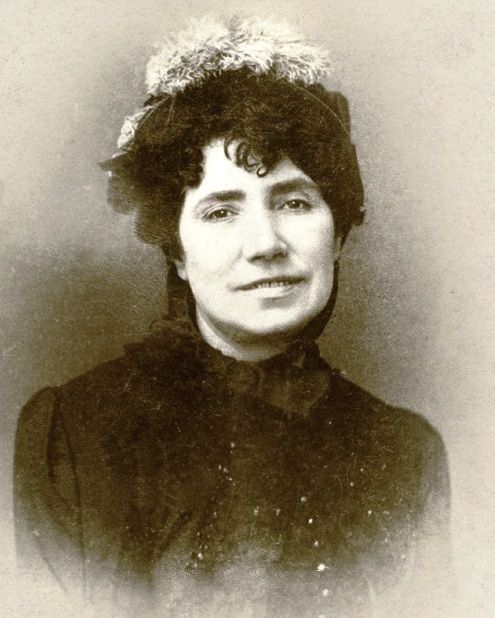
Pontevedra has one of Galicia’s best preserved and most enjoyable historic centers. The scallop-shaped Church of the Pilgrim Virgin announces the city’s Camino identity, while arcaded squares invite an unhurried evening. Northward, Caldas de Reis grew around thermal springs, and Padrón connects the route with the legend of the stone boat carrying Saint James’s remains to Iria Flavia. Peppers, the house of Rosalía de Castro and the collegiate church make it much more than the last overnight before Santiago.
The modern Portuguese Camino
The Portuguese Way has grown through Porto’s accessibility, Portugal’s cultural appeal and the choice between Central, Coastal and Spiritual routes. The Central route offers the strongest continuity of historic towns and traditional pilgrim infrastructure. It also allows travelers to begin with Portuguese language and food, experience the border on foot and spend their final days in Galicia.
From Porto, the first day includes a long urban exit. A private transfer can shorten this section for travelers who would rather begin among smaller towns and countryside. From Tui, the route covers the final qualifying distance and fits comfortably into a week, making it one of Ultreya’s most successful alternatives to Sarria.
How it compares
The Central Way has more historic towns and inland continuity than the Coastal route. The Coastal Way offers beaches, fishing settlements and open Atlantic light; the Spiritual Variant adds Armenteira, the Route of Stone and Water and the boat journey through the Arousa estuary. From Tui, the Central line is the most direct and provides a strong pilgrim community with enough services for a comfortable self-guided journey.
Ultreya can arrange the route from Porto or Tui, adapt daily distances, move luggage and add private transfers where a better hotel lies away from the marked path. Signature journeys use those transfers to reach special properties and create a more relaxed experience than the geography alone would allow.
Use our official Portuguese Way guide and PDF resource for the Xunta’s Galician maps, distances and stage information.
Compare our Portuguese Way Classic from Tui, Signature journey from Tui and the complete Portuguese Way from Porto.