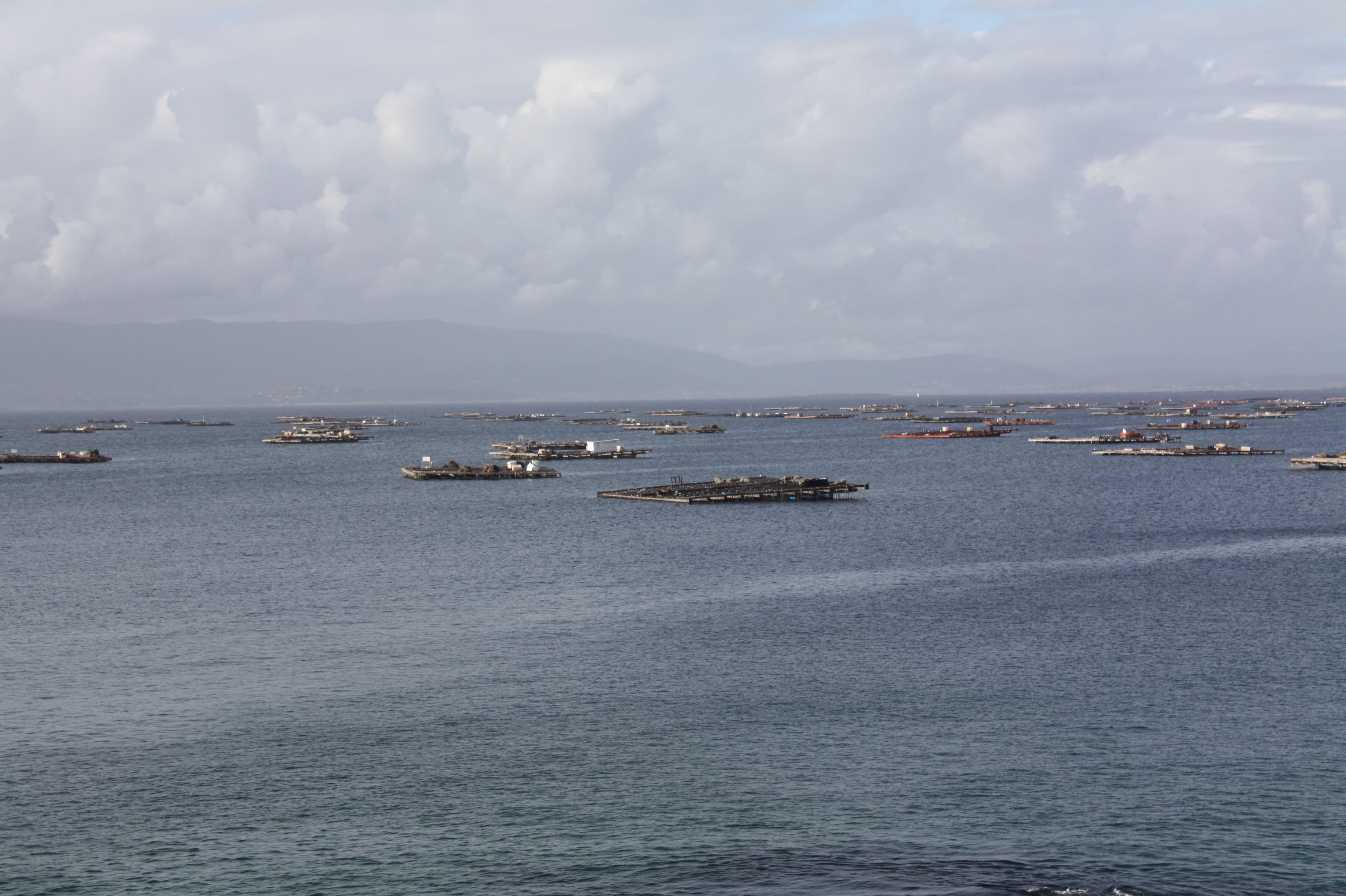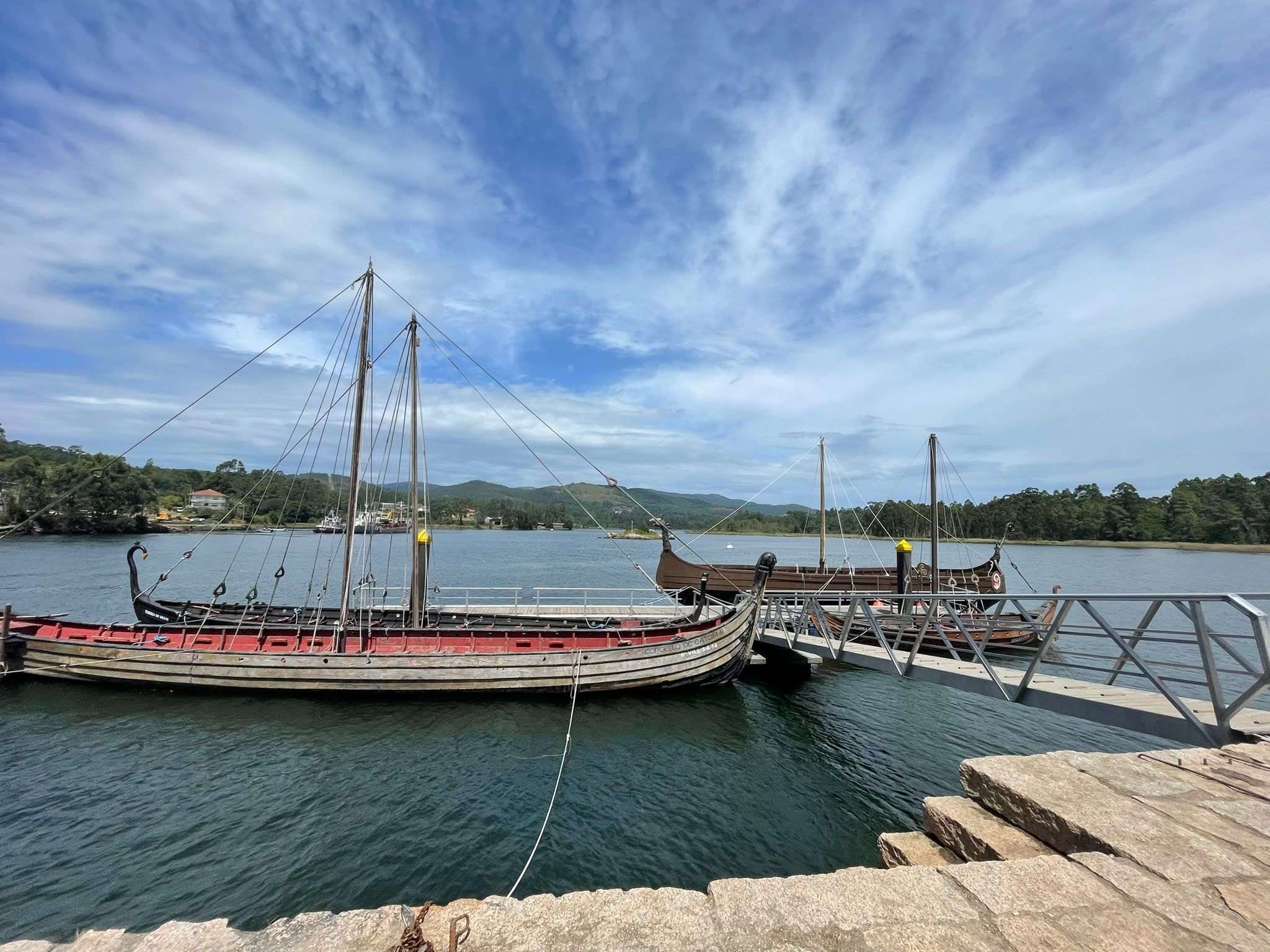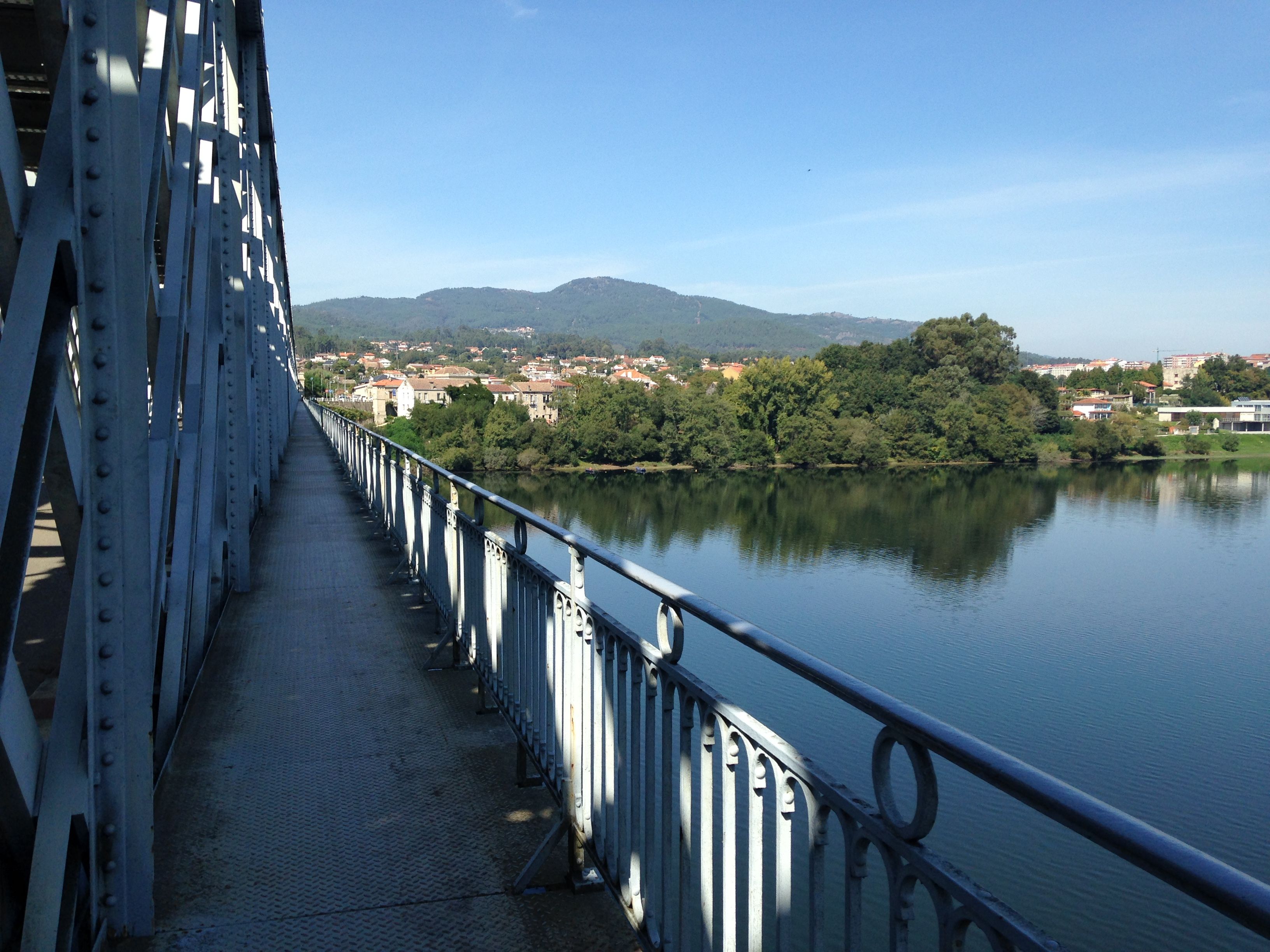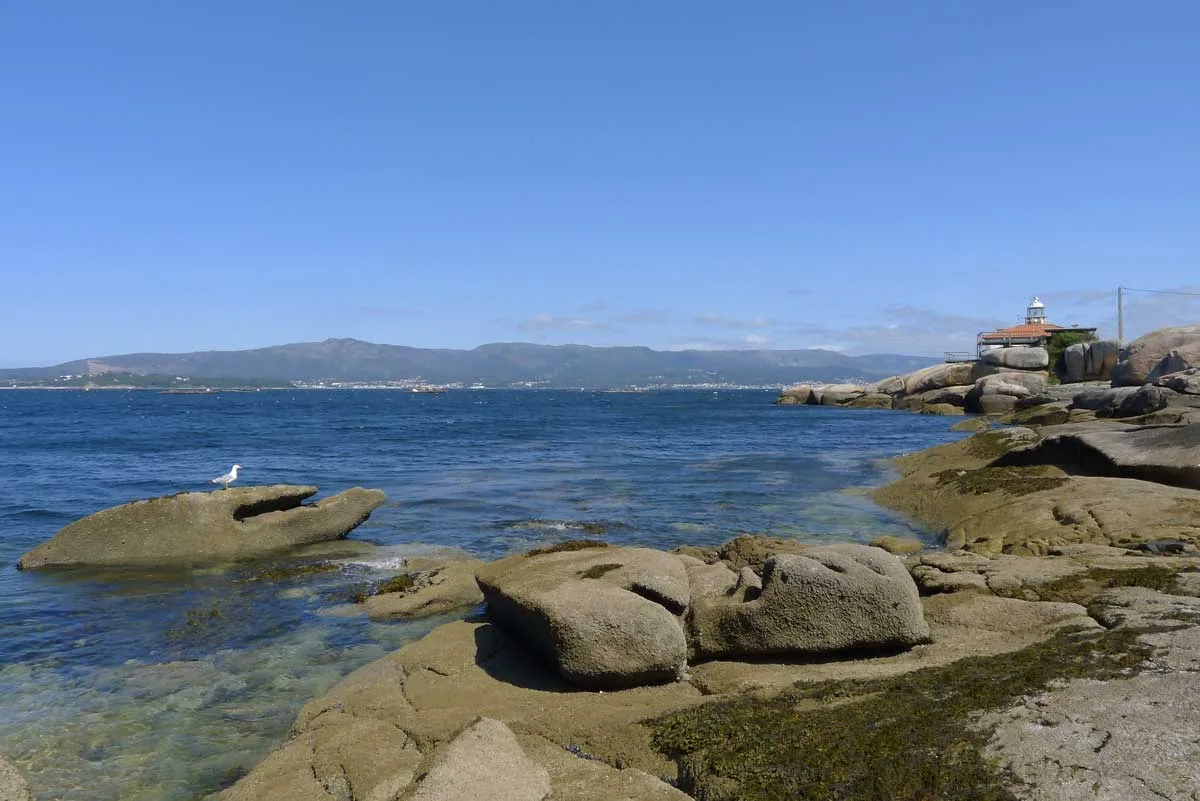
The Spiritual Variant feels like a Camino imagined for travelers who want Galicia at its most seductive. It leaves the Portuguese Way near Pontevedra, climbs through forest to the monastery of Armenteira, follows a river past dozens of old watermills, crosses the Albariño vineyards of O Salnés and finally boards a boat through the Ría de Arousa. Mussel rafts, islands, stone crosses and the towers of Catoira pass beside you before the vessel enters the Ulla and approaches Padrón.
The signed walking variant was created only about a decade ago. Ultreya Tours was among the first international Camino companies to advertise it as a complete journey, at a time when many walkers had never heard of the route. It has since become our bestselling Camino, surpassing even the French Way. Travelers choose it because no other short route combines Atlantic coast, historic towns, an active monastery, vineyards, riverside woodland and a boat journey linked to the legend of Saint James.
From Pontevedra into the hills
Pontevedra is one of Spain’s most pleasant small cities, with granite arcades, lively squares and a historic centre largely given back to pedestrians. The route begins beside the shell-shaped Church of the Pilgrim Virgin, then follows the Portuguese Way north before turning west at A Seca.
The climb to Armenteira is the most demanding part of the variant. Forest replaces the estuary views, and the final approach reaches the Cistercian monastery of Santa María de Armenteira. Founded in the twelfth century, it is associated with the nobleman and abbot Ero, hero of one of the Cantigas de Santa María. In the legend, Ero listened to a bird singing in the forest and returned to discover that centuries had passed. The story gives Armenteira an atmosphere of suspended time that still suits the quiet cloister and surrounding woods.
The monastery remains home to a community of Cistercian nuns. Pilgrims can attend services, buy handmade soaps and spend the evening in a village where the sound of bells replaces city traffic.
The tradition behind the boat stage
Christian tradition says that after Saint James was executed in Jerusalem, his disciples Theodore and Athanasius placed his body in a stone boat. Guided across the Mediterranean and Atlantic, the vessel entered the Ría de Arousa and travelled up the River Ulla to Iria Flavia. From there, the Apostle’s remains were carried inland to the place that became Santiago de Compostela.
This Traslatio is the founding sea journey of the Santiago tradition. The boat stage follows its symbolic path. Seventeen stone crosses placed on islets and along the shore form a maritime via crucis, while the river narrows towards Pontecesures. Whatever a traveler’s beliefs, approaching Padrón from the water gives the legend a physical geography: ocean, estuary, river and finally land.
The estuary also has a rich documented history. Roman settlements traded through these waters. Viking fleets later used the same navigable entrance during raids towards Iria and Santiago, leading bishops and rulers to strengthen the Torres de Oeste at Catoira. Today the water supports fishing and thousands of wooden platforms called bateas, where mussels grow on ropes below the surface.
Armenteira and the Stone and Water Route
From Armenteira, the Stone and Water Route descends beside the River Armenteira. Water runs beneath trees and between moss-covered stones, passing the remains of more than 30 mills. These mills ground corn and other grain for local communities; their channels, wheels and small stone buildings turn the descent into an open-air record of rural work.
The path emerges into O Salnés, the low, fertile valley at the heart of Rías Baixas wine. Albariño vines grow on high granite pergolas so air can circulate beneath the grapes. A private route can include Cambados, where wine estates, fishermen’s houses and the ruins of Santa Mariña Dozo surround one of Galicia’s most beautiful historic towns. The writer Ramón Cabanillas, known as the poet of the Galician nation, was born here.
Vilanova de Arousa, the boat departure point, was the birthplace of playwright and novelist Ramón María del Valle-Inclán. His family home is now a museum, and his dramatic appearance—long beard, cape and missing arm—became almost as famous as the works that helped transform modern Spanish theatre.
The boat lands near Pontecesures, followed by the walk into Padrón. The town is associated with two great writers: poet Rosalía de Castro, whose home can be visited nearby, and Nobel laureate Camilo José Cela, born in Iria Flavia. Inside the church of Santiago, the pedrón is the stone traditionally said to have moored the Apostle’s boat.
Why travelers fall in love with it
The Spiritual Variant changes character almost every day. Baiona brings a fortress above the Atlantic. Vigo and Pontevedra add urban life and excellent seafood. Armenteira gives the route silence, forest and monastic bells. O Salnés opens into vineyards and pazos, followed by a final morning on the water. The journey feels much larger than its number of walking days.
It also has the strongest collection of premium hotels on the Camino. The Paradors of Baiona and Pontevedra, Pazo Los Escudos, Quinta de San Amaro, Torre do Río and vineyard properties around Cambados allow the accommodation to become part of the destination. Private transfers connect these hotels with the walking route and create time for a winery, garden or seafood lunch.
Our Portuguese Spiritual Signature journey from Baiona begins beside the Atlantic and carries the story through Armenteira, O Salnés and the Traslatio waters to Padrón and Santiago. We arrange the boat, luggage, distinctive hotels and transfers, leaving travelers free to enjoy the route that has become Ultreya’s most requested Camino.