Ask for a chuletón in Galicia and the waiter may bring a raw cut to the table before cooking it. The broad steak, thick rim of fat and deep colour belong to a style that values mature cattle and dry ageing. Rubia Gallega, the native blond breed associated especially with Lugo, is one of the names that made this meat internationally famous.
Breed, age and label are different things
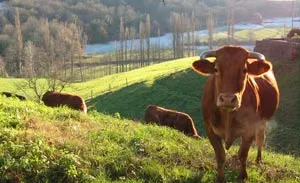
Rubia Gallega cattle are large, pale wheat-coloured animals historically valued for work, milk and meat. Modern breeding has concentrated on meat qualities while preserving a breed adapted to Galicia’s wet climate and varied terrain.
A restaurant description can refer to several different facts. Rubia Gallega identifies the breed. Ternera Gallega IGP and Vaca e Boi de Galicia IGP are protected geographical indications with their own specifications and controls. “Galician beef” can be used more loosely in conversation and does not by itself prove that the animal was pure Rubia Gallega.
The flavour diners seek often comes from an older cow rather than young veal. Mature beef can develop a denser texture and pronounced savoury flavour. Ageing concentrates and changes the meat further. Breed matters, but feeding, animal age, handling, maturation and cooking all affect the steak on the plate.
Did it beat Kobe?
Kobe is not a general synonym for highly marbled Japanese beef. It is a protected Japanese designation attached to qualifying Tajima cattle raised and certified under specific rules in Hyōgo Prefecture.
Comparisons with Kobe make a memorable headline, but the meats aim for different results. Kobe is known for very high intramuscular marbling. Mature Galician beef is often praised for a firmer bite, yellow fat and strong beef flavour.
There is genuine competition evidence behind some of the publicity. At the World Steak Challenge, meat from cattle raised in Galicia has won gold medals. Campo Galego reported a gold-winning entry from a cow raised by José Benito Vence in Rodeiro, processed at Rábade, matured and entered by Gutrei Galicia. Other Galician and Rubia Gallega entries, including meat presented by Pujol’s, have also received gold recognition.
Each World Steak Challenge award belongs to a particular cut, producer, maturation and year. Together, those medals helped turn mature Galician beef into an international restaurant name.
The farm visited by Superman
In March 2025, actor Henry Cavill, known for playing Superman, visited Finca Villadangos at Sabarei in O Corgo, Lugo. Spanish public broadcaster RTVE and other national reporting confirmed that he agreed to buy twenty Rubia Gallega cattle for his farm in England after becoming interested in the breed.
Finca Villadangos, run by José Antonio Ferreiro, is known for high-value Rubia Gallega genetics and has won livestock-show classes for bulls, heifers and groups. Cavill bought live breeding animals, not bulk boxes of steaks. He also ate chuletón, entrecôte and sirloin at Restaurante Campos in Lugo during the visit.
David Beckham has also bought Galician cattle, adding to the breed’s celebrity following. The publicity has brought international attention to the farms that preserved Rubia Gallega and developed its reputation for exceptional mature beef.
How to order it
Ask which cut, breed and maturation the restaurant is serving. A good waiter should be able to explain the approximate weight and price, which is often stated per kilogram. Large bone-in steaks are normally intended for sharing.
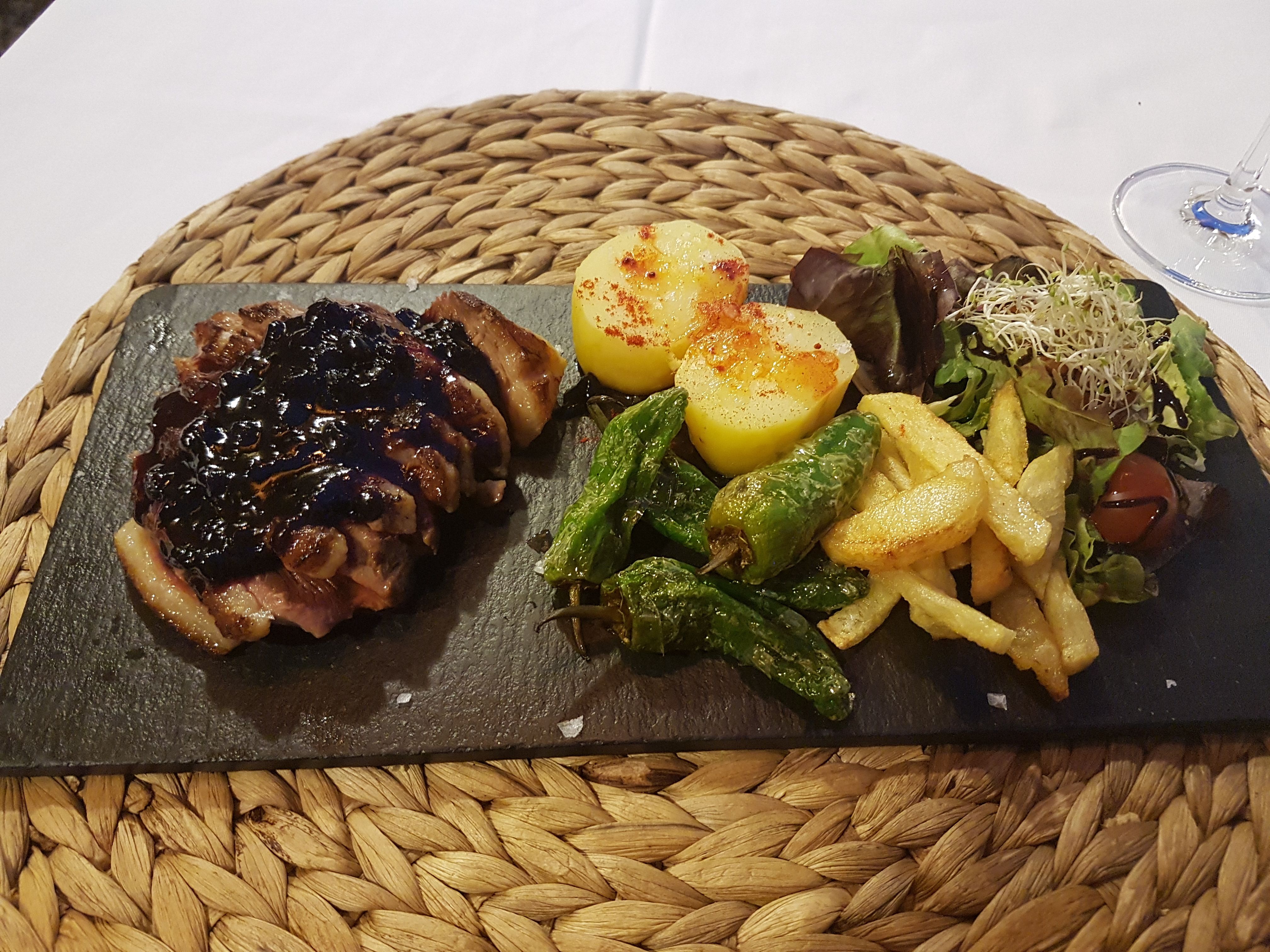
Galician steak is commonly served rare and sliced, sometimes on a warm plate or with a small tabletop grill so the diner can adjust individual pieces. If you prefer medium cooking, say so clearly. Order simply: salt, potatoes or peppers are enough, with a structured Mencía from Ribeira Sacra or Bierzo.
The French Way enters Galicia through cattle country before continuing toward Sarria and Santiago. We can add a carefully chosen Galician meal to a private Camino proposal, subject to the restaurant and itinerary confirmed for your dates.