At Ponferrada, the Winter Way leaves the French Way and follows the River Sil toward Galicia. Ahead lie the red pinnacles of Las Médulas, the Godello vineyards of Valdeorras and the terraced canyons of Ribeira Sacra. It is one of the most visually varied Caminos in Spain and a marvelous choice for experienced walkers who want wine country, Roman engineering and long stretches of quiet.
A Roman corridor
This route has the clearest Roman drama of Ultreya’s quieter Caminos. At Las Médulas, Roman engineers used channels, reservoirs and hydraulic mining to tear open the mountain in search of gold. The result is an extraordinary landscape of red earth, chestnut woods and sharp towers that look natural until you understand the scale of the human intervention. A viewpoint reveals the whole broken amphitheater; paths below enter the chestnut groves and former mining passages.
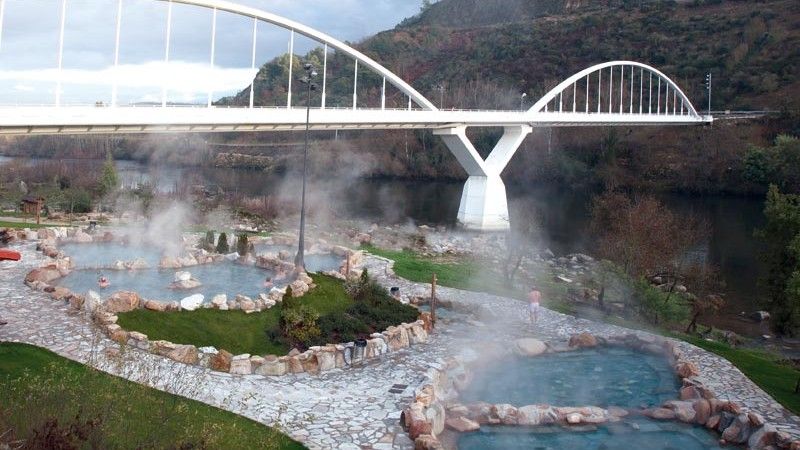
Farther west, the Sil remains the organizing force. Roman roads linked the mining territory with the valleys of Valdeorras, and at Montefurado workers cut a tunnel through the rock to divert the river and expose its bed. The modern Camino follows this broad natural corridor rather than an intact Roman pavement, but the river repeatedly brings the ancient geography into view.
Why “Winter”?
Travelers used the Sil valley to avoid the snowbound climb through O Cebreiro and difficult winter conditions in the Valcarce valley. That practical alternative gave the route its modern name. Ultreya does not currently organize it in winter: short days, snow, rain and reduced rural services make the season unnecessarily difficult.
Towns along the road
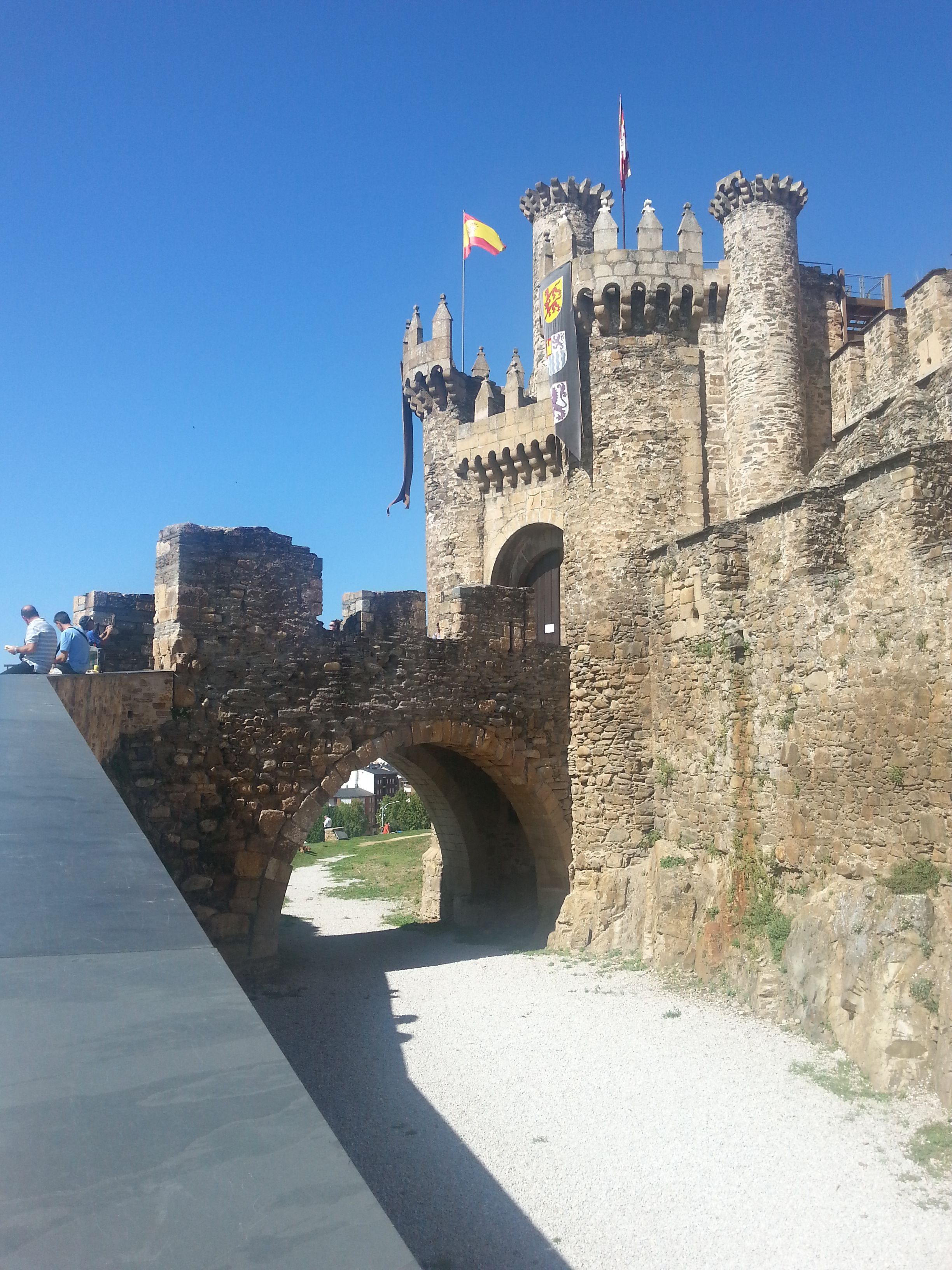
Ponferrada provides a theatrical beginning beneath its Templar castle. The Camino then crosses the lower Bierzo through villages, vineyards and the Roman mining country before entering Galicia beside the Sil. O Barco de Valdeorras and A Rúa are centers of Godello and Mencía production. Godello has become one of Spain’s most admired white grapes, capable of combining stone-fruit flavor, freshness and mineral depth.
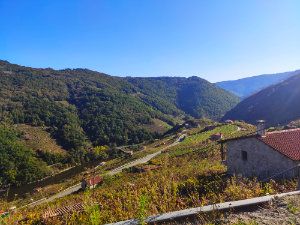
After Quiroga, the route reaches Ribeira Sacra, where the Sil and Miño carve deep canyons through southern Lugo and northern Ourense. Vineyards occupy terraces so steep that much work must be done by hand. The expression “heroic viticulture” makes sense when you see pickers carrying grapes up narrow stone steps or small rails hauling boxes from the slope. A private winery visit adds the human story behind the landscape: the guide can explain the terraces, indigenous grapes and enormous difference between a valley-floor vineyard and a parcel clinging above the river.
The region also holds Galicia’s greatest concentration of rural Romanesque churches and monasteries. Communities such as Santo Estevo de Ribas de Sil, Santa Cristina de Ribas de Sil and San Pedro de Rocas grew in remote valleys where religious life, farming and control of the land developed together. Their cloisters, apses and rock-cut spaces give the name Ribeira Sacra, the sacred riverbank, a physical presence.
Monforte de Lemos is the route’s principal historic town. The Counts of Lemos ruled from the hill above the valley; the monumental school of the Piarists displays a powerful Renaissance and Herrerian façade, while the railway later made Monforte the inland gateway to Galicia. It is an excellent base for a private drive to viewpoints, monasteries and a Sil cruise when walking alone would reveal only one narrow line through the region.
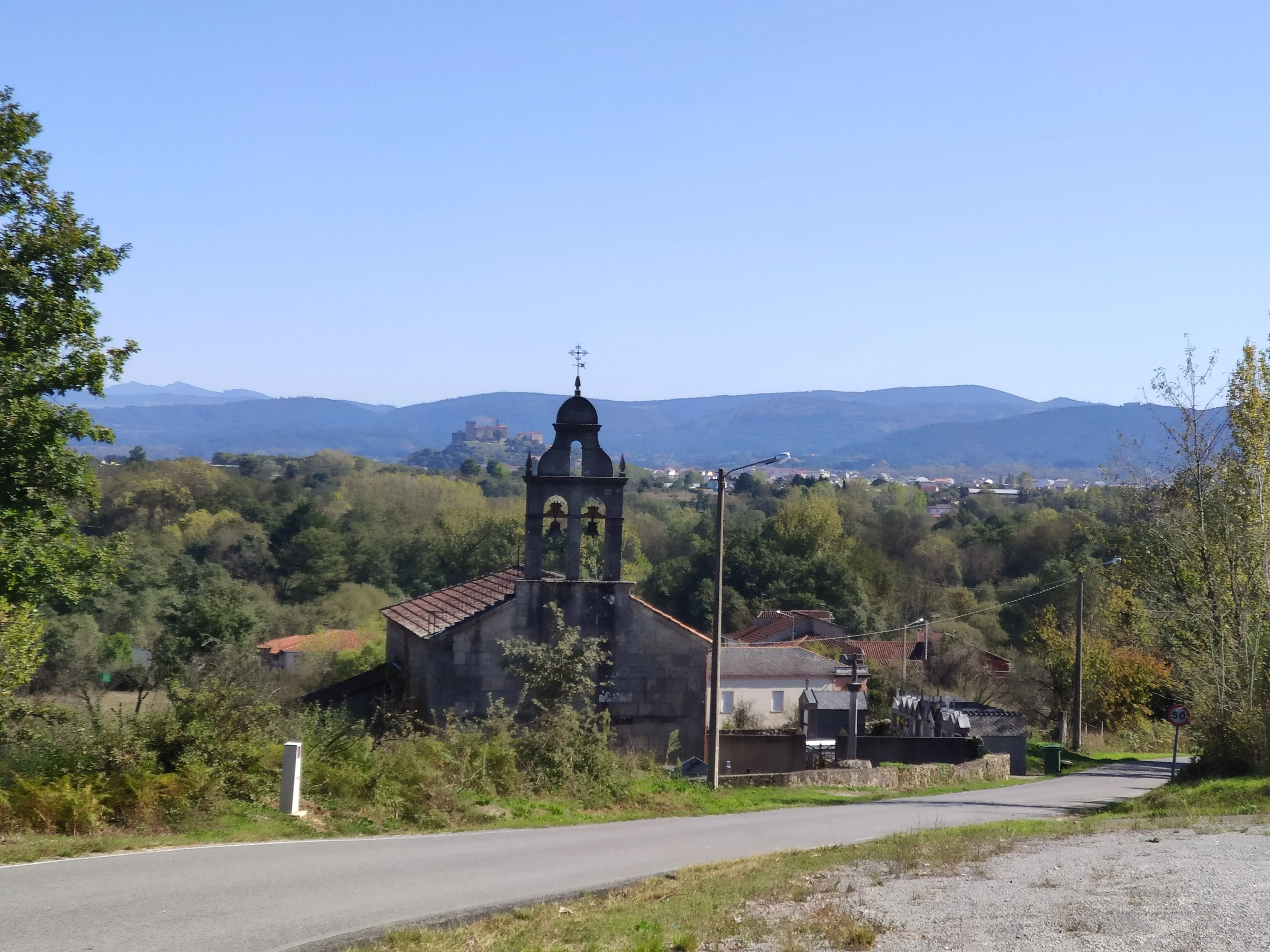
From Chantada, vineyards descend toward the Miño and the Camino climbs through villages of stone and slate. It continues by Rodeiro and Lalín before joining the Sanabrés approach to Santiago. The final days exchange canyon walls for open farms, oak woods and the green interior of Pontevedra province.
The corridor carried armies, wine and industry as well as pilgrims. French forces used it in the early nineteenth century, and the railway reached Monforte in 1883, following the same demanding passage between Galicia and the plateau. That layered history is visible all the way: Roman extraction, medieval monasteries, noble power, vineyard labor and railway engineering occupy the same river landscape.
How it compares
The Winter Way is quieter, hillier and more logistically demanding than the popular walks from Sarria or Tui. Its rewards are immense: Roman Las Médulas, Godello and Mencía country, the Sil canyons, Ribeira Sacra’s monasteries and the feeling of entering Santiago by a route many pilgrims have never seen.
Our Winter Way At Your Pace uses personally adapted stages and the transfers needed to make its historic corridor work as a comfortable journey.