Paradores is Spain’s state-owned hotel network, created in 1928 to bring high-standard accommodation to important monuments and destinations. Some properties are conversions of palaces and convents; others were built in a historic style for the network. The Portuguese routes show both kinds.
They are not interchangeable. Each one belongs to a different version of the Portuguese Camino.
Parador de Tui
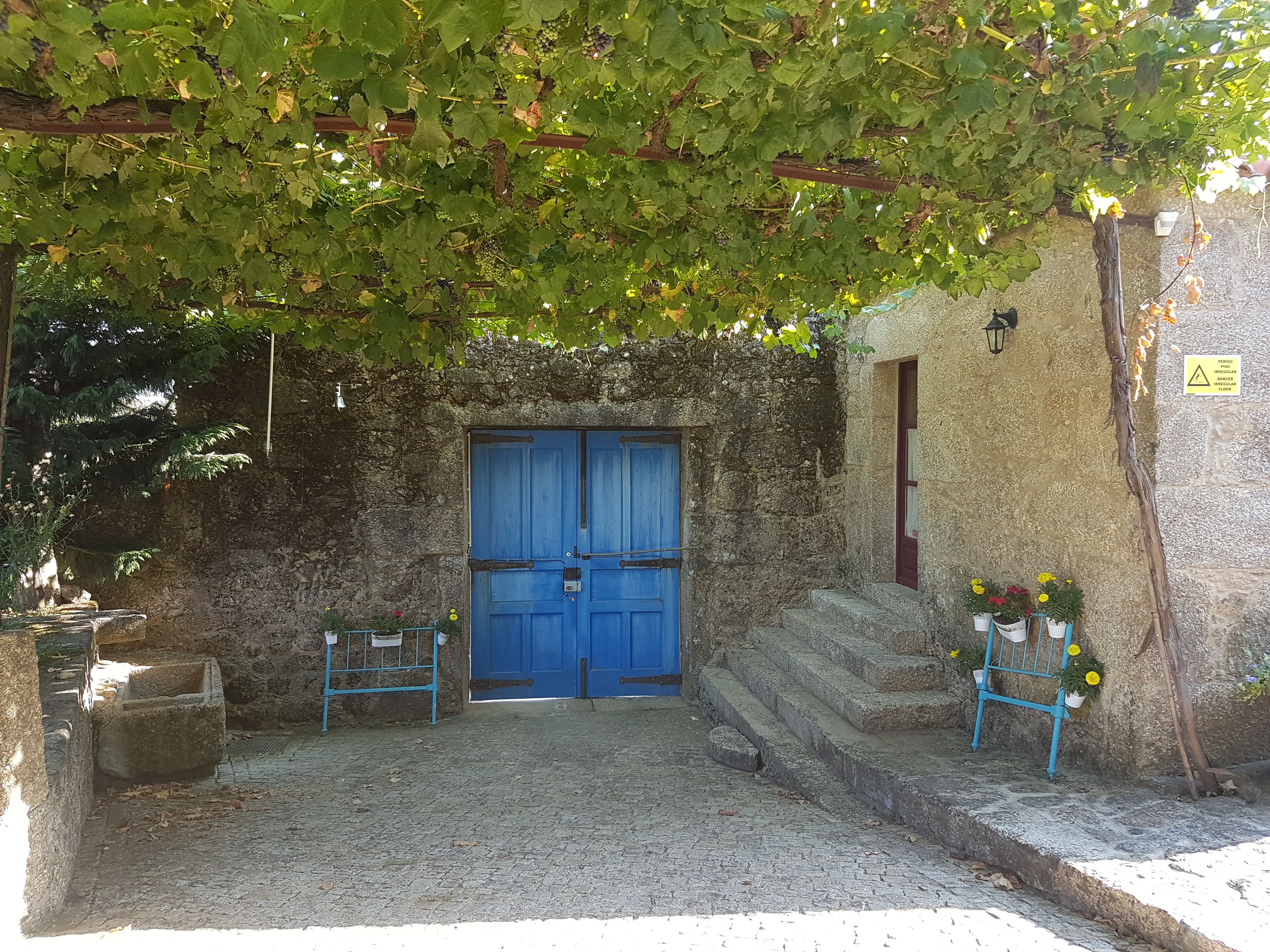
The Parador de Tui was purpose-built in the 1960s in the form of a Galician pazo. Its granite arcade, central courtyard and carved wooden interiors borrow the language of old manor houses, while the garden looks towards the Miño and Portugal. It sits below the cathedral town rather than inside a medieval palace.
The San Telmo restaurant concentrates on border cooking: house-made empanada, caldo gallego, octopus, pork shoulder, Galician cheeses and beef. This is useful on an arrival night because guests can eat regional food without having to make another plan after travelling.
It is one of our preferred opening stays for the Portuguese Way Signature from Tui. Two nights give travelers time to arrive, recover and explore Tui and Valença before the first walking stage.
Parador de Baiona
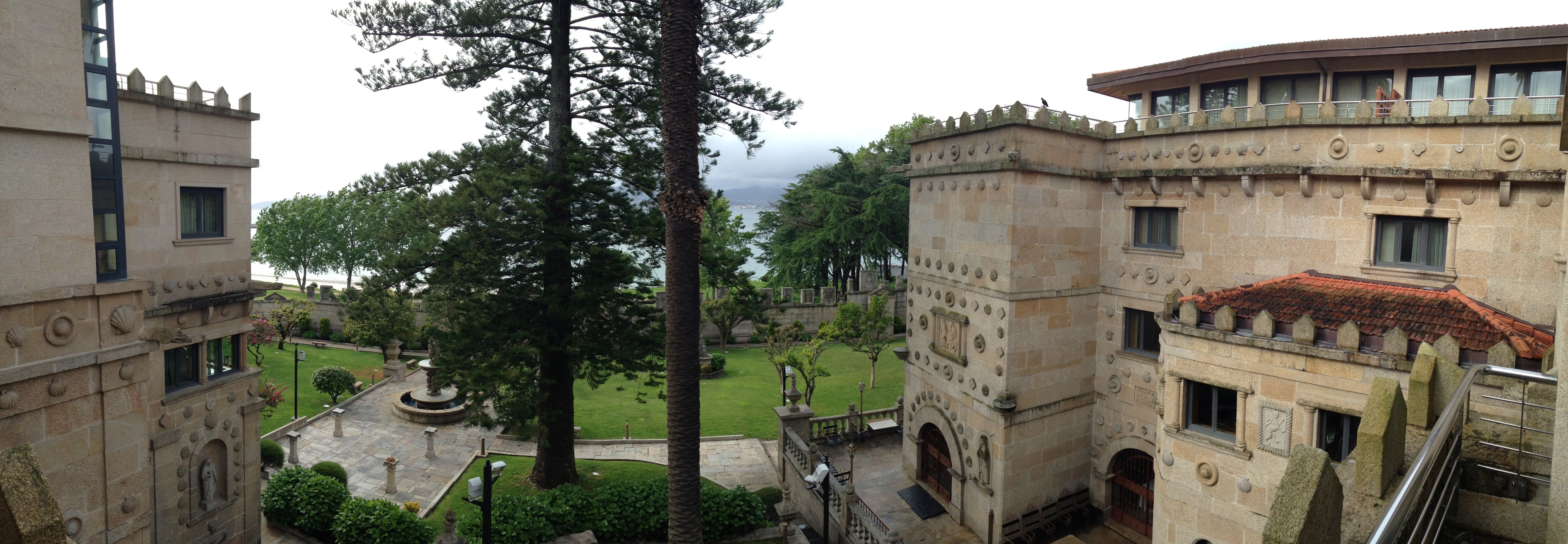
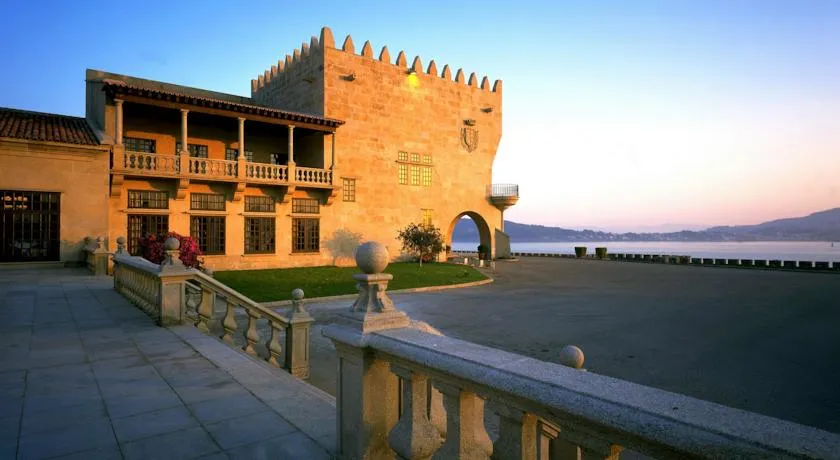
The Parador de Baiona occupies the Monterreal peninsula within a powerful ring of coastal fortifications. The site defended the bay for centuries and was attacked during the Anglo-Spanish conflicts of the sixteenth century. In the nineteenth century, the ruins became a neo-Gothic palace; the present Parador was constructed in the 1960s while the walls and former stables were restored.
Baiona is the natural opening for our Portuguese Spiritual Signature journey. At the Torre del Príncipe restaurant the emphasis is fish landed on the Galician coast, shellfish, octopus, empanada and Galician beef, with views across the bay and Cíes Islands.
Parador de Pontevedra
The Parador de Pontevedra occupies the former residence of the Counts of Maceda, a Renaissance palace whose oldest fabric dates from the sixteenth century. Its carved stone staircase, coats of arms, arcaded loggia and small garden make it one of the network’s most intimate urban hotels.
The Casa do Barón restaurant serves traditional Galician dishes, usually drawing on estuary fish and shellfish, empanada, octopus, local vegetables and meat. The compact old town is immediately outside, so guests can also choose among Pontevedra’s tapas bars without a transfer.
Pontevedra is a pivotal Camino town. The central route continues towards Caldas de Reis, while the Spiritual Variant turns towards the monastery of Armenteira. When available, the Parador allows guests to walk into the old quarter and dine without another transfer.
Parador de Cambados
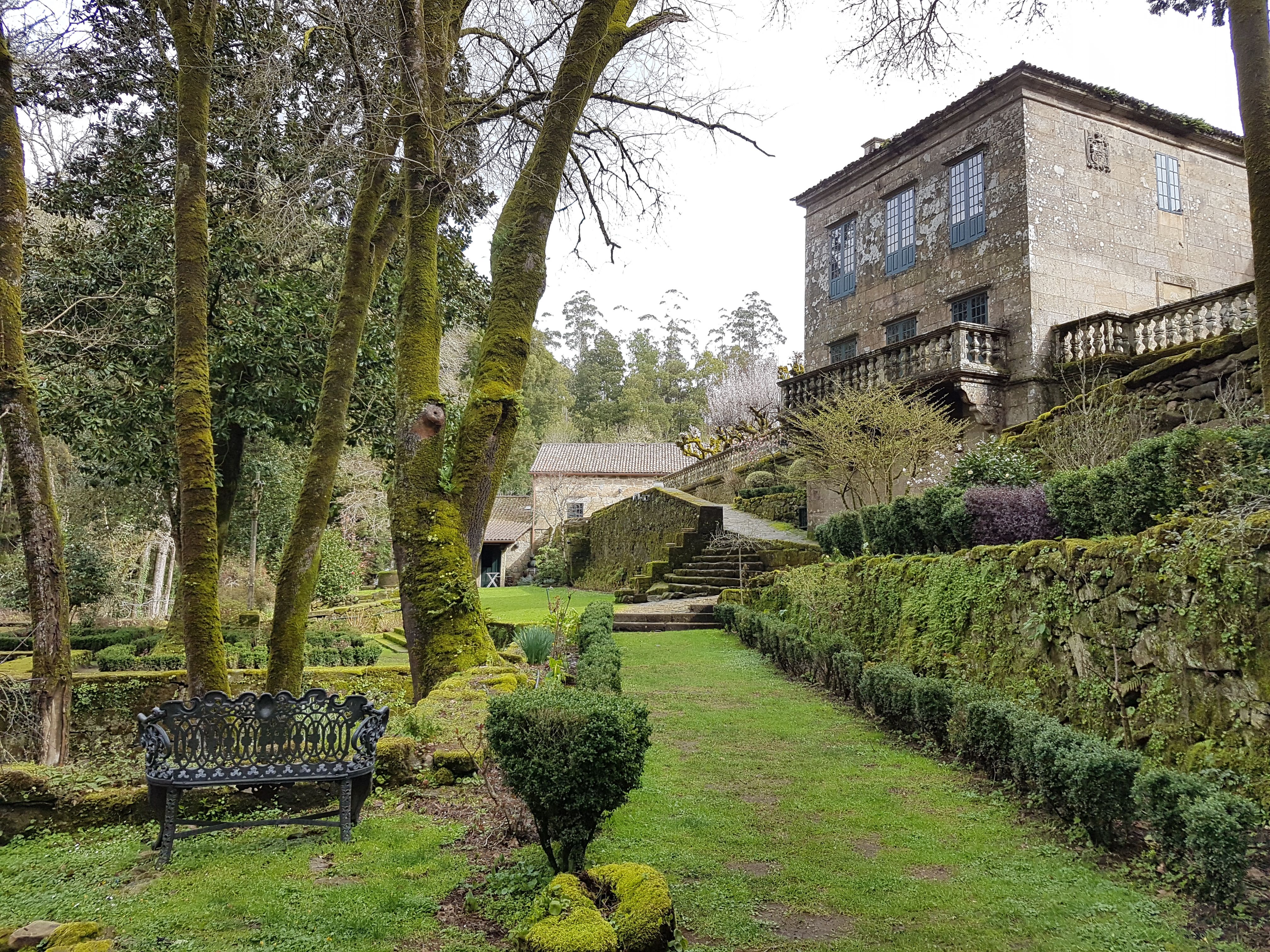
The Pazo de Bazán, now the Parador de Cambados, is a seventeenth-century manor associated with the ancestors of the novelist Emilia Pardo Bazán. Its granite courtyard and garden stand beside the old town in the Albariño capital of the Salnés Valley. Cambados is not on the direct Central Portuguese Way; it belongs naturally in a wine-led Spiritual itinerary with a planned transfer.
Dinner here is closely tied to the estuary: scallops, mussels, sole, monkfish, octopus, rice with lobster and Albariño. Even the dessert list can bring Galicia back through filloas or O Cebreiro cheese ice cream.
We may use Cambados when the proposal includes wine experiences or an extra night. It should not be presented as an automatic stay on every Spiritual Way departure.
Parador de Santiago
The Hostal dos Reis Católicos was ordered by the Catholic Monarchs in 1499 as a royal hospital for pilgrims and stands beside the Cathedral on the Plaza del Obradoiro. Its four cloisters, chapel and Plateresque entrance deserve more than a passing paragraph, so we tell the full story in The Hostal dos Reis Católicos.
Availability is limited and rates vary considerably, particularly during the 2027 Holy Year. It can be requested as an upgrade or extra night when the confirmed itinerary and budget allow.
Why the sequence works
Together, the hotels make a geographical sequence: the Miño border at Tui, Atlantic fortifications at Baiona, Renaissance Pontevedra, the wine and fishing culture of Cambados, and the old pilgrim hospital beside Santiago Cathedral.
Each Parador provides a different reason to stop: Tui for the border and Cathedral, Baiona for its fortress and Atlantic setting, Pontevedra for immediate access to the old town, Cambados for Albariño country and Santiago for the Plaza del Obradoiro. Start Planning and tell us which stays you would like us to build into the route.